

Personal growth · Self-improvement · Burnout recovery
I spent four years in corporate life convincing myself that the anxiety I felt every Sunday night was normal. That the dread of walking into an office was just part of being an adult. That everyone felt this way — and that burnout recovery and personal growth were things other people needed, not me. I was wrong. And it took losing my grandmother, and watching my boss not even ask how I was doing, to finally see it clearly.
Three Jobs, One Burnout Pattern
My corporate life wasn’t a straight line. I worked as an office manager at a law firm, then as an alumni relations coordinator at a university, and eventually landed what looked like my “big break” — brand manager and head of marketing at a fintech startup.
Different industries. Different teams. Different cities, almost. But the same suffocating routine: wake up, commute, perform, repeat. A 9-to-6 that slowly started feeling like a 9-to-never.
What bothered me most wasn’t the work itself — I’m someone who genuinely cares about what I do. It was the meaninglessness of the rhythm. The meetings that could’ve been emails. The performance reviews that measured everything except whether you actually felt like a human being. The slow erosion of asking why am I doing this? and hearing only silence back.
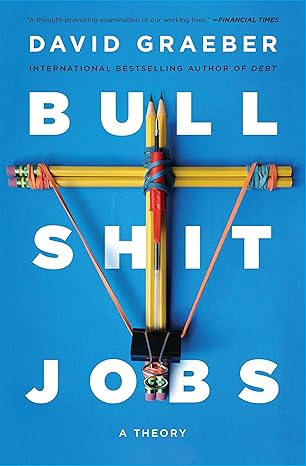
I later started reading Bullshit Jobs by David Graeber and felt seen on every single page. If you’ve ever sat at your desk wondering whether your job would matter if it disappeared tomorrow — read it. It will either terrify you or set you free. For me, it was both.
The Moment My Corporate Life Broke Me
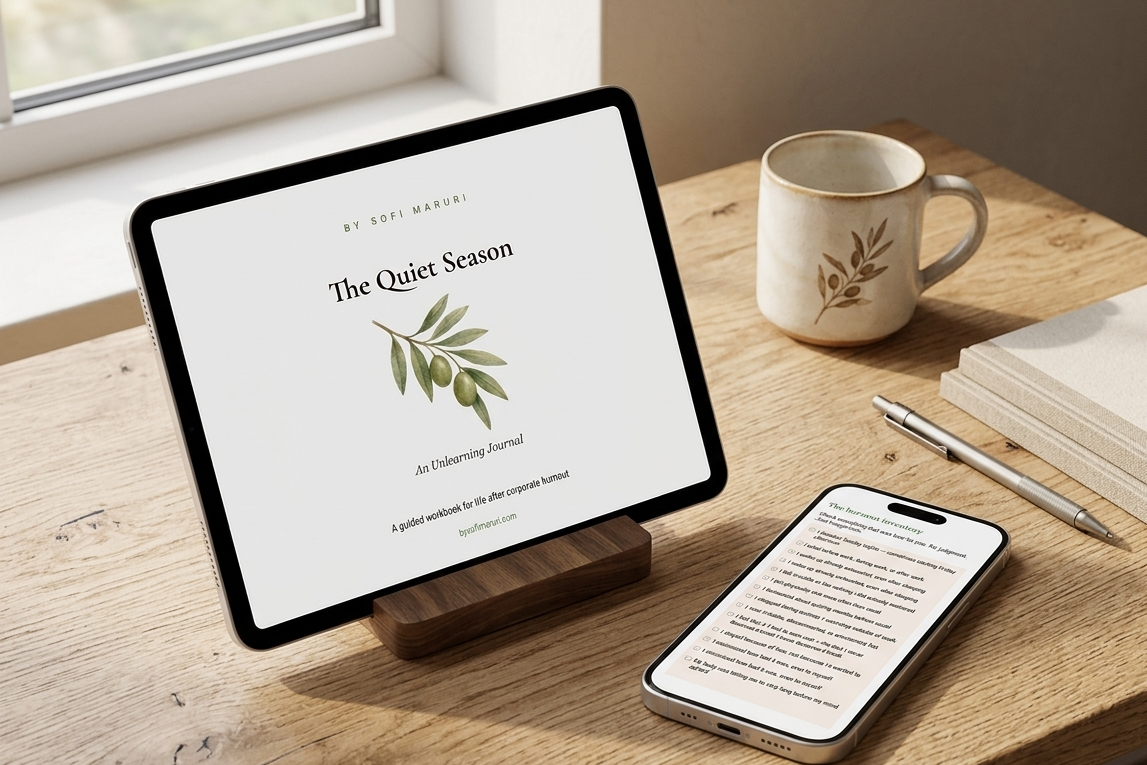
If you’re reading this and realizing that, like me, you’ve been minimizing your own pain to stay functional, I want to share something with you. I created a guided workbook called The Quiet Season to help process exactly these moments. It’s not a productivity tool; it’s a safe space to name what happened and start unlearning the beliefs that led to the burnout.
There is a specific memory I return to when I question my decision to leave.
My grandmother was sick. Then she was gone. And in the middle of that grief — raw, disorienting, the kind that changes how you see everything — not one person at work asked how I was doing. Not a message. Not a glance. Just: when are you back? we need the report.
My psychiatrist had been gently suggesting a mental health leave for a while. I kept saying no. I was terrified of what people would think. That they’d see me as weak, unstable, not cut out for it. That taking a leave for burnout was somehow more shameful than quietly falling apart in a bathroom stall between meetings.
That fear, I’ve since learned, is not a personal flaw. It’s a cultural one. We’ve been conditioned to treat mental health as a productivity problem — something to manage so you can get back to performing. Not something worth stopping for.
I didn’t take the leave. Instead, I spent six months mentally rehearsing my resignation before I actually did it.
Quitting Without a Plan B
I resigned without another job lined up. No soft landing, no backup offer, no savings runway carefully calculated in a spreadsheet.
Some people called it brave. Others probably thought I was being reckless — and honestly, they’re not entirely wrong. The financial security of a monthly salary is real, and losing it is genuinely scary. I won’t romanticize that part.
But I also knew that if I stayed one more year waiting for the “right moment,” there would always be another reason to wait.
So I left.
What Nobody Tells You About Life After Burnout
The first thing I did after leaving corporate life was question everything.
I thought I’d feel relief. And I did — briefly — before the fear moved in and made itself at home. What if I can’t do this? What if the blog never grows? What if I run out of money and have to go back? The silence that used to feel suffocating in the office now felt like a different kind of pressure: the pressure of total freedom with no structure to hide behind.
I’m still in that uncertainty. I want to be honest about that, because most “I quit my job” posts skip this part. The truth is I don’t know yet where this goes. I don’t know how long this season will last. I just know that the version of me who was crying in office bathrooms was not the version I want to become.
What I do know is that some things have genuinely helped.
What’s Actually Helped Me (Honest List, No Filters)
1. EMDR Therapy
This has been the most significant thing I’ve done for myself, full stop.
EMDR (Eye Movement Desensitization and Reprocessing) is a therapeutic approach originally developed for trauma, but it works on the deeper stuff too — the irrational beliefs and nervous system patterns you’ve been carrying for years without realizing. Things like I have to earn rest, or if I’m not productive I have no value, or asking for help means I’m weak.
I didn’t understand how much of my burnout was rooted in beliefs I’d internalized long before any of my jobs. EMDR helped me start untangling that. If you’re in a place where regular talk therapy feels like it’s not reaching the root — ask about EMDR.
2. Journaling (The Non-Aesthetic Kind)
I don’t journal to have a beautiful spread. I journal to get the noise out of my head and onto paper before it convinces me of something that isn’t true.
No rules, no format. Just honest writing, especially on the hard days.
While I believe in ‘non-aesthetic’ journaling, I know that staring at a blank page can be overwhelming when you’re exhausted. That’s why I turned my own unlearning process into The Quiet Season Journal. It includes the specific prompts and recognition checklists that helped me find clarity when my brain felt like static. You can download it for free if you need a place to start.
3. Drawing as a Self-Improvement Tool
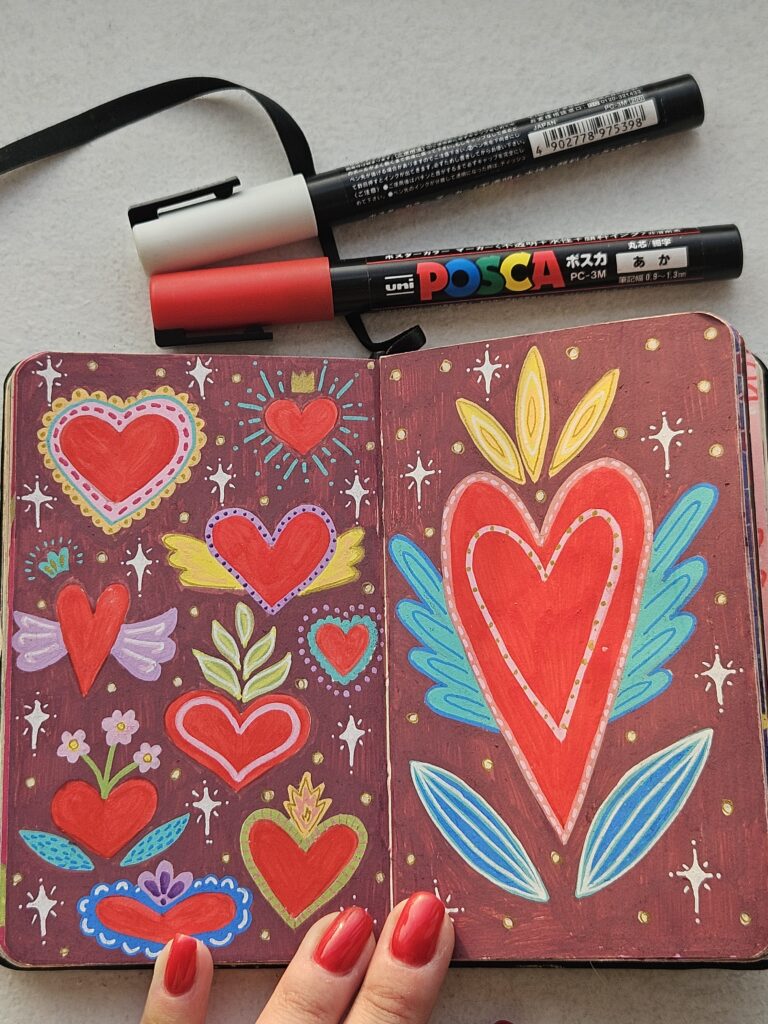
I draw with Ohuhu markers and Posca paint pens — not because I’m an artist, but because it’s one of the only activities that fully shuts my brain off. There’s something about choosing colors and filling in a shape that short-circuits the spiral of anxious thoughts. It’s meditative in a way I didn’t expect.
If you’ve been meaning to try an analog creative outlet, I genuinely recommend starting with Posca pens — they work on almost any surface and require zero prior experience.
4. A Physical Planner
I tried going fully digital. It didn’t work for me. Something about writing things down by hand creates a different kind of commitment and clarity. My weekly planner is one of the first things I reach for in the morning — not my phone.
For anyone in a period of transition, having even a loose structure on paper can be grounding when everything else feels uncertain.
5. My Bicycle
This one doesn’t have an affiliate link. It’s just my bike, and I love it.
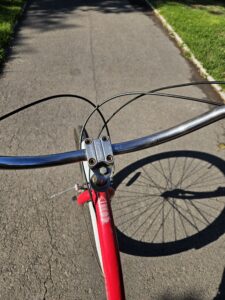
One of the small, specific freedoms I dreamed about when I was still in the office: riding my bicycle at 11am on a Tuesday, just because I can. I do that now. It sounds trivial, but it represents something bigger — the ability to be present in my own life, at my own pace.
Where I Am Now: My Personal Growth Journey
I’m building this blog. I’m on Pinterest. I’m writing in both Spanish and English for the first time, which feels surprisingly like coming home to myself.
I don’t have a success story to wrap this up with. I’m in the middle of the story — somewhere between “I left” and “I figured it out.” And I’ve decided that’s okay. That the middle is allowed to be uncertain and uncomfortable and still worth being in.
If you’re reading this and you’re in your own version of Sunday night dread, I’m not going to tell you to quit your job. That’s a decision with real consequences that only you can weigh.
But I will tell you this: the anxiety you feel is information. The fact that your body is protesting every morning is not weakness — it’s your nervous system telling you something doesn’t fit. You’re allowed to listen to it.
And if helping just one person feel less alone in this makes the whole thing worthwhile — then I’m already exactly where I need to be.
If this resonated with you, save it for later or share it with someone who needs it. And if you’re somewhere in your own transition — I’d really love to hear about it in the comments.
I don’t have all the answers yet, but I do have a map of the territory I’ve covered so far. If you are in the middle of your own transition and need a quiet way to navigate the uncertainty, you are welcome to use The Quiet Season. It’s 35 pages of honest prompts designed for life after the corporate world—no performance required.
Leave a Reply