
Author: sofiabmaruri

  • 20 Cute Date Ideas for Couples That Don’t Require Leaving the House

    If you’re looking for cute date ideas for couples that don’t require a reservation or a big budget, you’re in the right place. My boyfriend and I have been together for four years — we met on Tinder right after the pandemic, when the world had just reopened and everything still felt a little electric. And honestly? Some of our most memorable dates have happened without ever leaving home.

    Whether you’re newly dating or years in, there’s something here for you.
    Pssst: You can find all my favorite picks for at-home date nights curated in my Amazon storefront <3


    This post contains affiliate links, which means I may earn a small commission if you purchase through my links — at no extra cost to you. This helps keep By Sofi Maruri running and allows me to keep creating content I love. Thank you for your support!


    At-Home Cute Date Ideas for Couples That Are Actually Fun

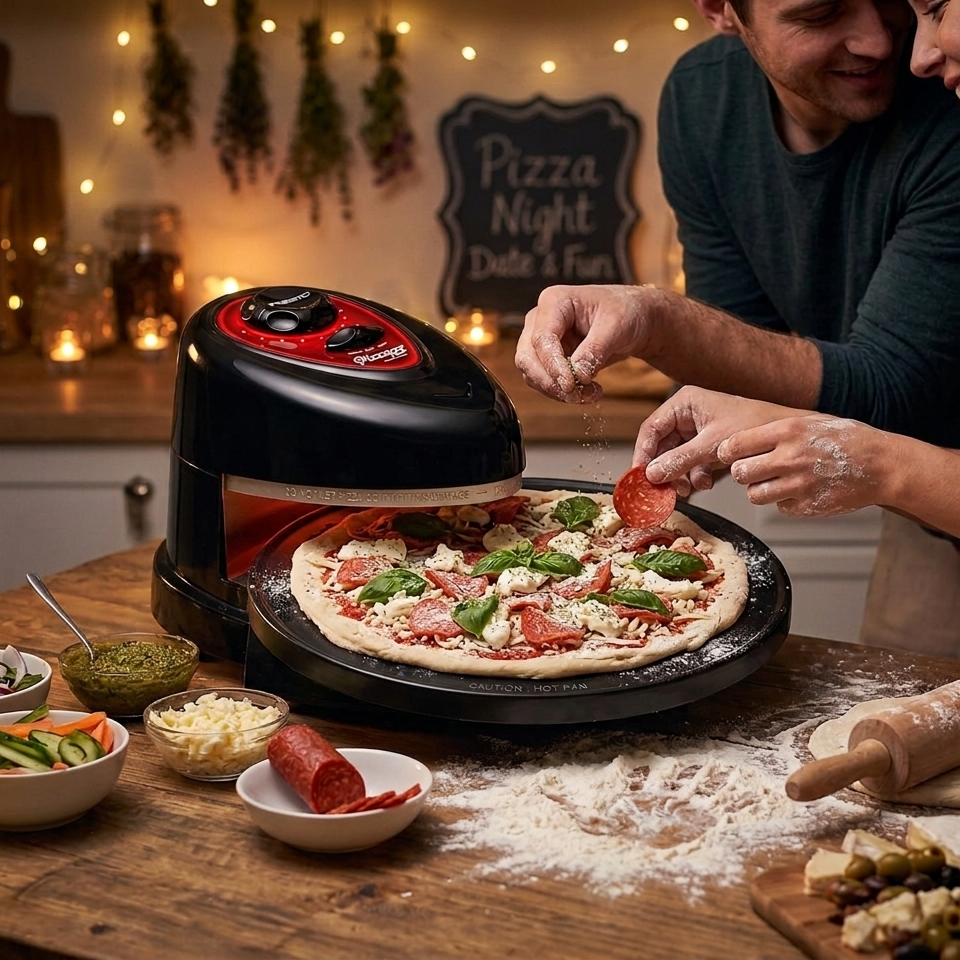
    1. Make Homemade Pizza Together

    There’s something about making food from scratch that turns an ordinary evening into an event. We’ve done this multiple times and it never gets old — mostly because the result is delicious, and partly because rolling dough is genuinely chaotic and hilarious.

    Set up your ingredients like a little pizza bar, put on a playlist, and let everyone build their own. It’s low-pressure, hands-on, and the kind of date that ends with you both very full and very happy.


    2. Backyard or Living Room Picnic

    A picnic doesn’t require a park. Lay a blanket on the floor, put together a little spread of snacks and drinks, and suddenly your living room feels like somewhere else entirely.

    We’ve done this on the balcony with fairy lights and it remains one of my favorite low-effort, high-reward date nights. Add a charcuterie board and you’ve basically upgraded your whole evening.


    3. Movie Night With a Projector and Homemade Popcorn

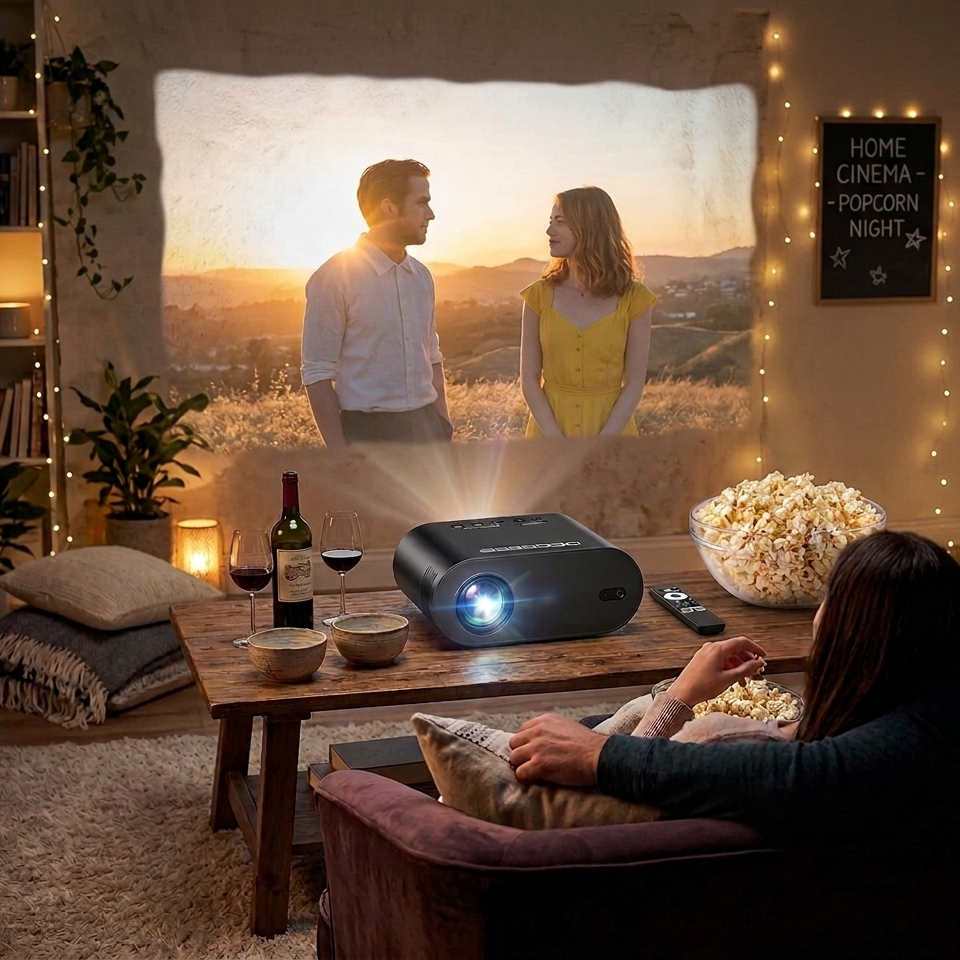
    This one changed everything for us. We borrowed a small projector, pointed it at a blank wall, and turned our living room into a private cinema. Homemade popcorn — actual stovetop popcorn with butter and salt — made it feel genuinely special.

    Pick a theme for the night: a director’s filmography, a decade, a genre you’ve never tried. It gives the night a little structure and makes it feel curated rather than random.


    4. Draw Each Other

    This one sounds intimidating and ends up being one of the funniest dates you’ll ever have. Sit across from each other, set a timer for ten minutes, and draw your partner’s portrait. No phones, no cheating.

    The results are always terrible. That’s entirely the point.


    5. Bike Ride Around the Neighborhood

    Okay, this one technically involves leaving the house — but just barely. An evening bike ride around your area counts as a date when you make it intentional. Pack a small snack, pick a new route, and talk without screens.

    We’ve discovered entire streets we’d never walked down before, which is its own kind of adventure.


    6. Cook a Recipe From a Country You Want to Visit

    Pick a destination on your mutual bucket list and cook a traditional dish from there. It turns dinner into something with a story. We’ve done Thai, Italian from scratch, and a very ambitious attempt at Japanese ramen.

    The cooking itself becomes the date — the googling, the substitutions, the general chaos of an unfamiliar recipe.


    7. Board Game or Card Game Tournament

    Dig out a board game you haven’t played in years, or buy one you’ve been curious about. Make it a proper tournament with a small prize for the winner — bragging rights, choosing the next movie, picking the next date.

    Competitive dates are underrated. You learn a lot about someone when they’re losing at Catan.

    cute date ideas for couples — indoor picnic playing jenga

    8. Wine or Coffee Tasting at Home

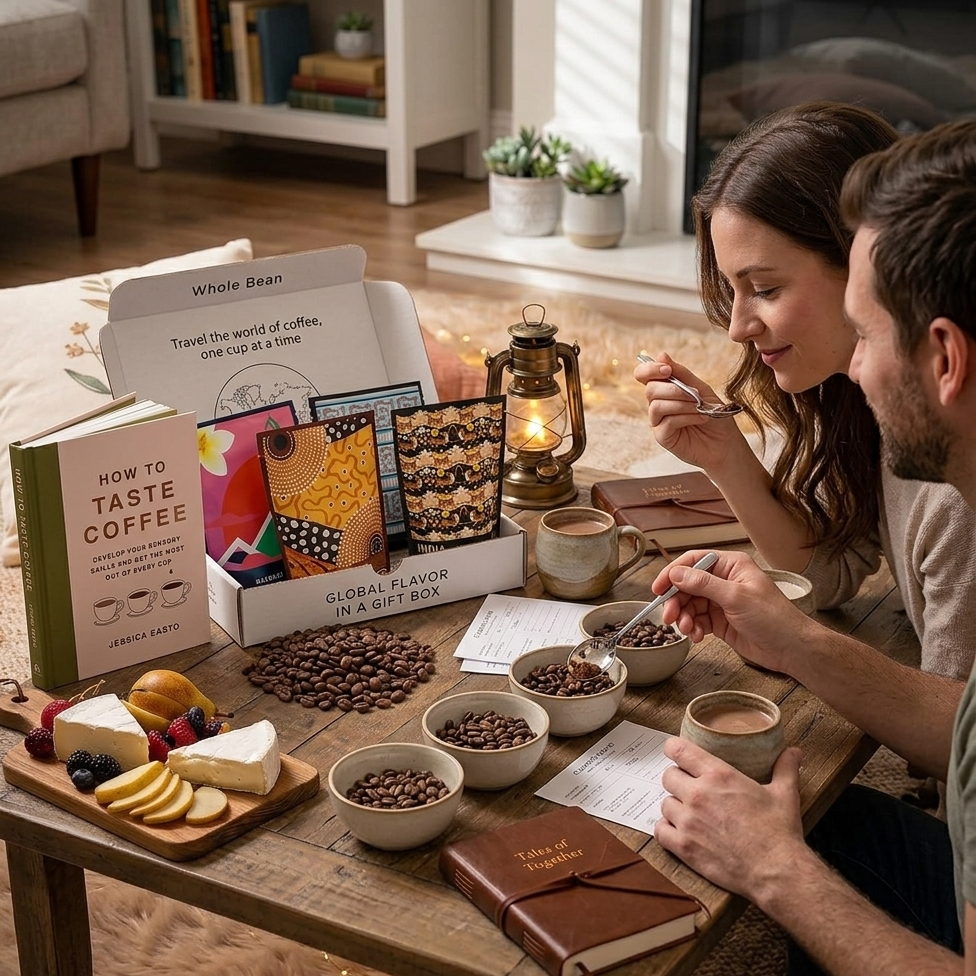
    Buy three or four different bottles of wine — or bags of coffee, if that’s more your thing — and do a proper tasting. Look up what you’re supposed to taste, try to identify it, and rate each one.

    It feels fancy, it’s genuinely interesting, and it costs about the same as going out for drinks.

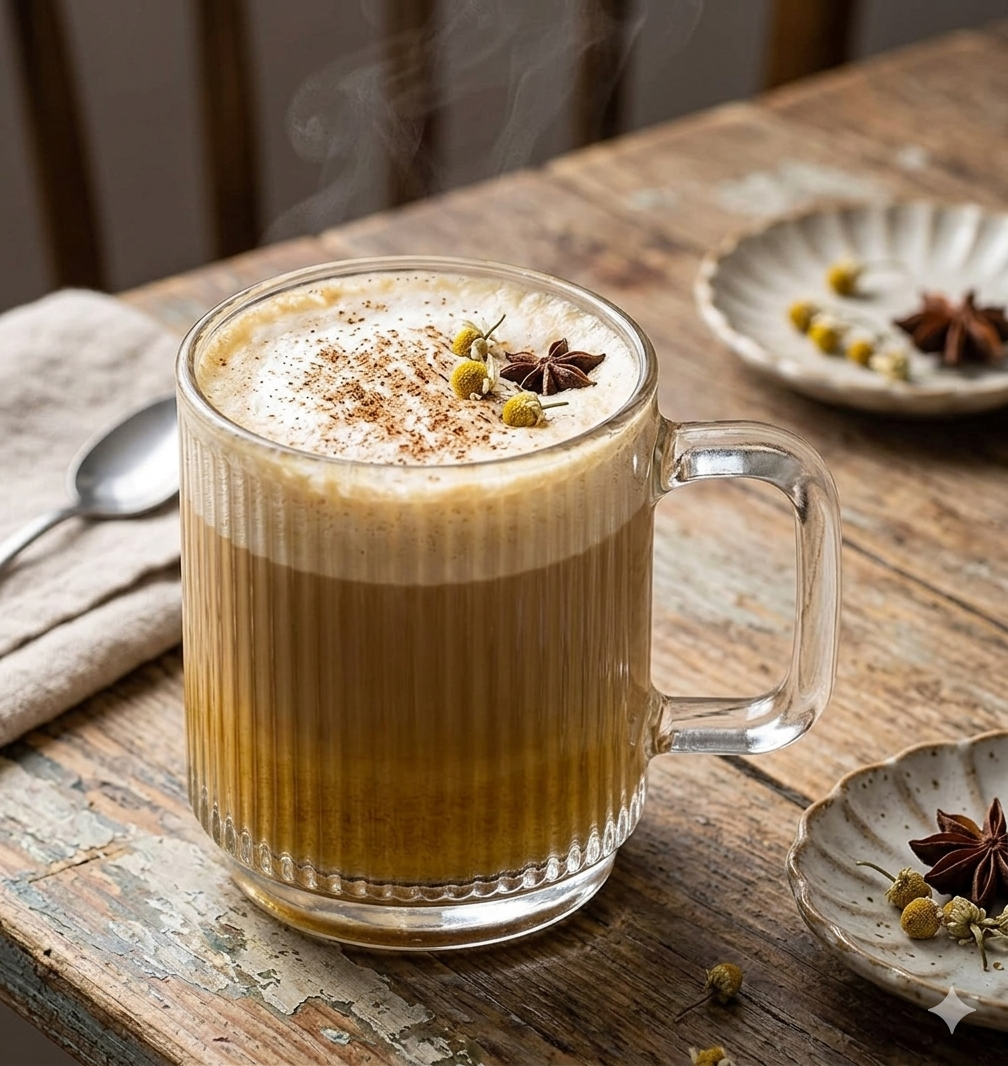
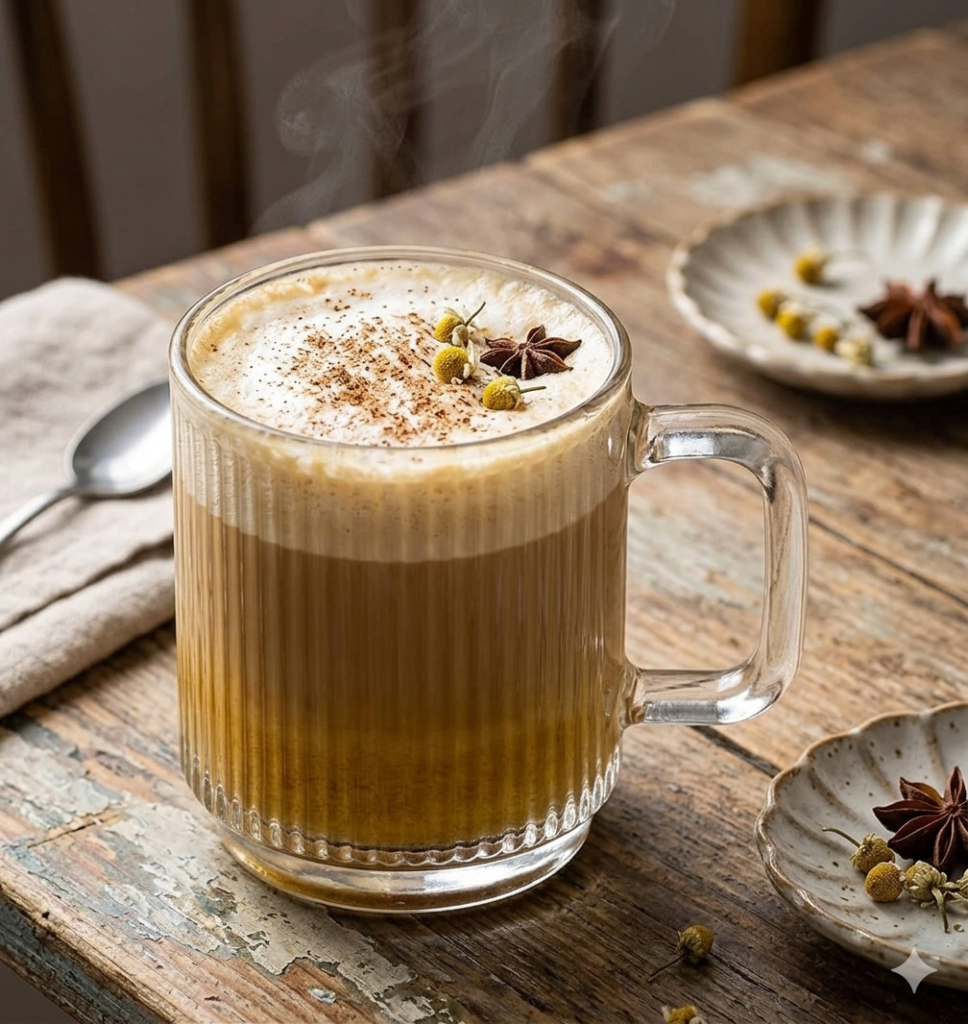
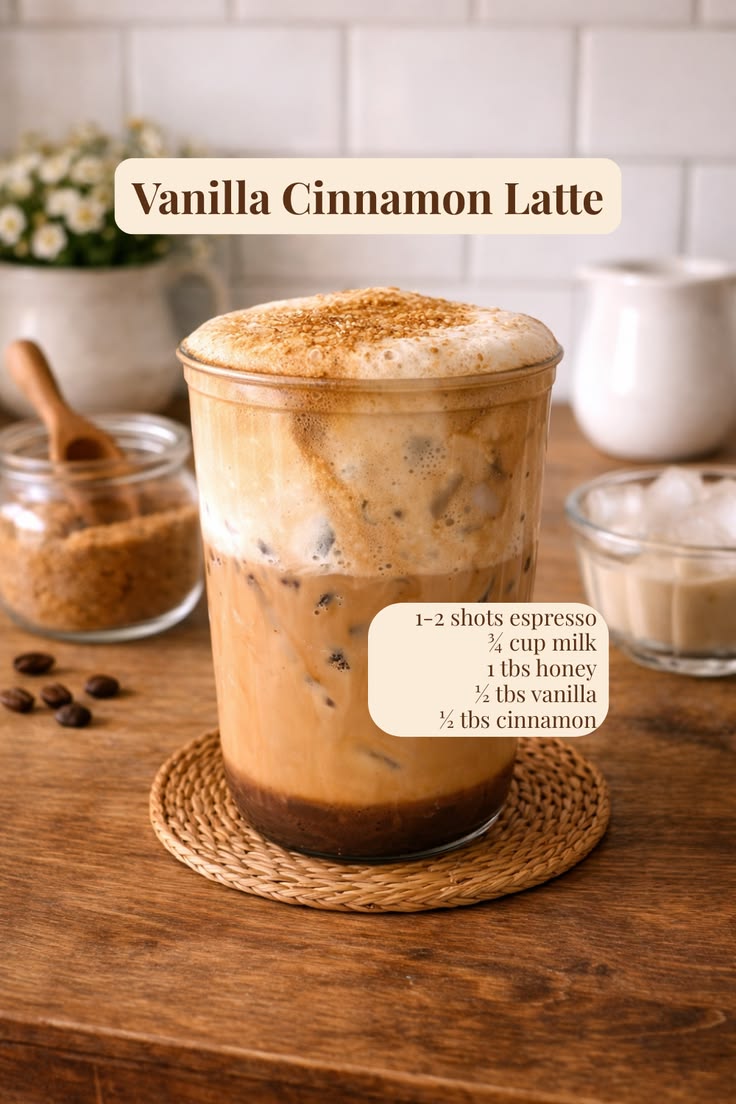
    Maybe you can try a Vanilla Cinnamon Latte like this one.


    9. Build Something Together

    A shelf, a piece of furniture, a small DIY project from a kit. Building something side by side is surprisingly bonding — and slightly stressful in a way that somehow brings you closer.

    We once spent two hours assembling a piece of furniture we’d bought together and felt genuinely accomplished afterward. 10/10 recommend.


    10. Stargazing From Your Roof or Backyard

    Download a stargazing app, bring blankets and something warm to drink, and spend an hour looking up. No agenda, no phones (except the app), just conversation and sky.

    It sounds simple because it is. That’s what makes it good.


    11. Write Letters to Your Future Selves

    This one is quiet and meaningful in a way that sneaks up on you. Each of you writes a letter to yourselves — or to each other — to be opened in one, three, or five years. Seal them, date them, and put them somewhere safe.

    It’s an exercise in reflection and intention, and it makes for a very different kind of conversation than your average evening.


    12. Have a Spa Night

    Face masks, a bath, candles, ambient music. Designate one evening entirely to slowing down and taking care of yourselves — together. Take turns giving each other a hand or shoulder massage.

    It’s the opposite of productive and that’s completely the point.


    13. Learn Something New Together on YouTube

    Pick a skill you’ve both always been curious about — calligraphy, origami, watercolor, basic music theory — and spend an evening following a beginner tutorial together.

    You’ll be bad at it. You’ll also be engaged, laughing, and doing something that doesn’t involve a screen passively.


    14. Create a Couples Bucket List

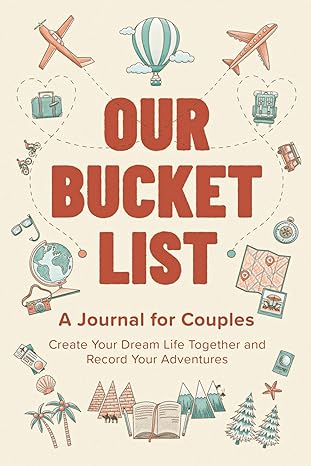
    Get a big piece of paper, two pens, and start writing — everything you want to do together, places you want to go, experiences you want to have. Near-future and far-future, realistic and wildly ambitious.

    Then hang it somewhere you’ll both see it. It’s a map of your shared life, and making it together is its own kind of date.


    15. Bake Something You’ve Never Made Before

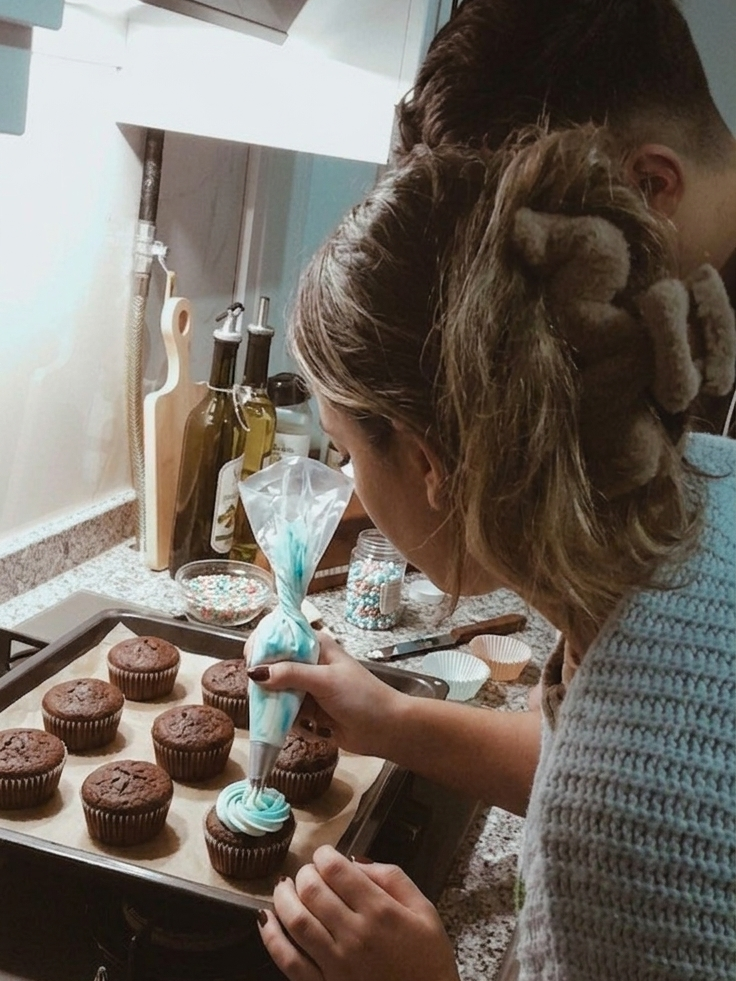
    Croissants, soufflé, homemade bread, elaborate layer cake. Pick something with a high degree of difficulty and commit to it fully. It will probably go wrong at least once. That’s what makes it memorable.

    And if you’re a competitive couple — turn it into a full Bake Off. Each of you picks a recipe, sets a timer, and works independently. Then you taste, judge, and crown a winner. Bonus points for dramatic presentation and questionable commentary in a fake British accent.


    cute date ideas for couples — cupcake baking

    16. Have a Music Night — Swap Playlists

    Each of you creates a playlist of songs that mean something to you — a soundtrack to your life, a mood, a memory. Then you take turns playing songs for each other and explaining why you chose them.

    This is one of the most genuinely intimate dates on this list, and it costs nothing.


    17. Do a Puzzle Together

    Long, meditative, and surprisingly satisfying. Put on an album you both love, open a bottle of wine, and work on a puzzle over the course of an evening.

    A 1,000-piece puzzle will take multiple sessions, which means multiple evenings of the same gentle, easy company.


    18. Have a Fancy Dinner at Home — With Actual Effort

    Dress up. Set the table properly. Use the good plates. Light candles. Cook a two-course meal and eat it slowly, without phones at the table.

    There’s something about putting in the effort at home that feels more intimate than going out. It’s a date you made for each other, not a restaurant someone else designed.


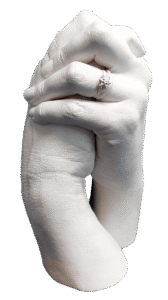
    19. Make a Hand Casting Together

    This one is equal parts romantic and ridiculous — and that’s exactly why it works. A hand casting kit lets you create a permanent mold of your hands intertwined, which sounds cheesy until you actually have it sitting on your shelf and realize it’s one of the most personal things in your home.

    The process itself is the date: mixing the alginate, holding completely still, trying not to laugh while your hands are submerged. It takes about an hour and leaves you with something you’ll keep for years.

    🔗 Couples hand kit on Amazon


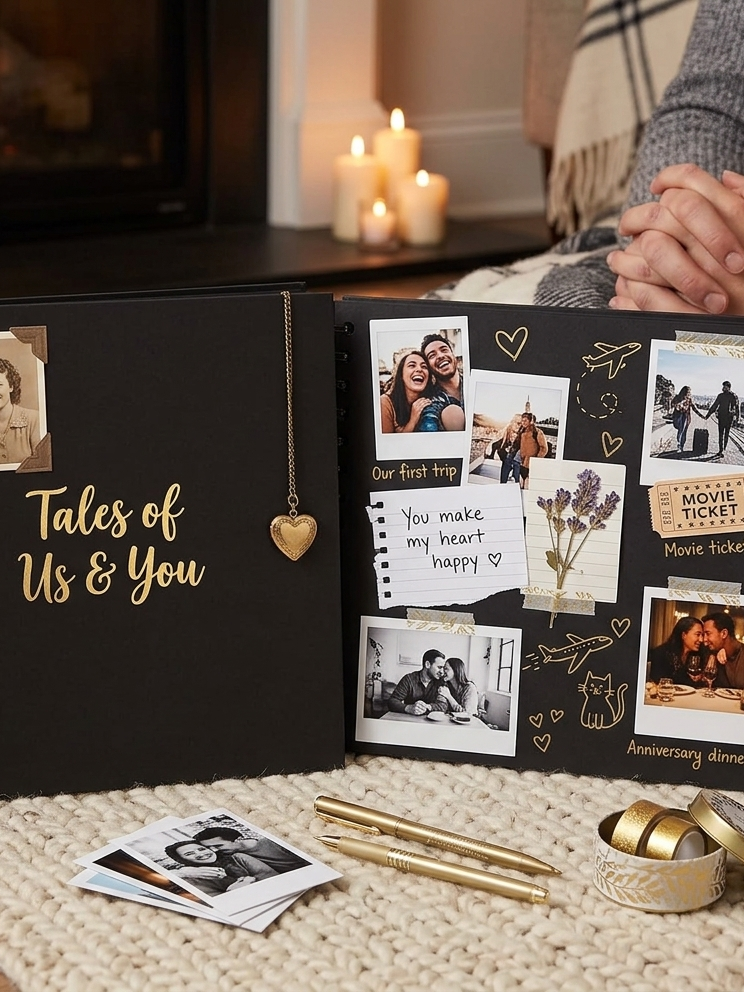
    20. Create a Scrapbook of Your Relationship

    Print out photos, gather ticket stubs and mementos, and spend an evening building a physical record of your time together. Put on music, pour drinks, and let the night become an exercise in remembering.

    Four years in, this one hits differently. Every photo is a whole story.

    cute date ideas for couples — black scrapbook with pictures.

    Final Thoughts

    The best cute date ideas for couples aren’t about spending a lot of money or going somewhere impressive. They’re about choosing to be intentional with your time together — to put down the phones, to make something, to pay attention.

    Four years, countless dates, and the ones I remember most are the ones where we were simply present. I hope some of these ideas give you that same feeling.

    Save this post for later — and if you try any of these, I’d love to know which one became your favorite.

    These cute date ideas for couples pair perfectly with these posts:

  • The Chamomile Latte That Replaced My Evening Coffee (And Actually Helps Me Sleep)

    The Chamomile Latte That Replaced My Evening Coffee (And Actually Helps Me Sleep)

    A warm, caffeine-free ritual for anxious girls who still want their latte fix.


    This post contains affiliate links. If you buy something through one of them, I may earn a small commission at no extra cost to you. I only ever recommend products I genuinely use and love. Thank you for supporting By Sofi Maruri.


    I have been a latte girl for as long as I can remember. Morning latte. Mid-afternoon latte. Latte for dessert (Italians, please don’t come for me — yes, I drink milk with coffee after 11 a.m. and I will not be apologizing).

    But here’s the thing about being a 5’2″ human running on anxiety and a small body weight: I cannot drink caffeinated lattes all day without my nervous system filing a formal complaint. By 4 p.m., my hands are shaking, my chest feels tight, and any chance of falling asleep before midnight has officially left the building.

    So one evening, somewhere between needing a latte and needing to actually rest, I stumbled on this recipe — and I fell in love.

    It’s a chamomile latte. Hot milk, chamomile tea, a stick of cinnamon, and a splash of vanilla. I’ll be honest: the first time I read “chamomile + milk” together, I made a face. It sounded like something a grandmother would invent in a panic. But I tried it anyway, and reader, it works. It’s creamy, lightly sweet, smells like a hug, and it has genuinely become the moment in my evening where my body understands the day is ending.

    This is the recipe, the why behind each ingredient, and how it actually works on your body — because I think when you understand what you’re drinking, the ritual gets even better.


    Why a Chamomile Latte Is Worth the Detour

    Most “calming” drinks I had tried before this either tasted like wet leaves or required me to pretend I was enjoying them. This one is different. It’s the texture of a real latte — that frothy, milky comfort — but instead of caffeine winding you up, every ingredient is doing the opposite.

    It’s the kind of drink that gives your brain a small, clear signal: we’re done for today. And after years of trying to white-knuckle my way into sleep, I’ll take any signal I can get.


    The Recipe

    Makes 1 mug. Takes about 7 minutes.

    Ingredients

    • 1 cup whole milk (or oat milk if you’re plant-based — it froths beautifully)
    • 1 chamomile tea bag, or 1 tablespoon of loose-leaf chamomile
    • 1 small cinnamon stick (or ¼ teaspoon ground cinnamon)
    • ½ teaspoon vanilla extract, or a small piece of vanilla bean
    • 1 teaspoon honey or maple syrup, optional, to taste

    Method

    1. Warm the milk gently. Pour the milk into a small saucepan over low-medium heat. Add the cinnamon stick and the vanilla. You want the milk to get hot and steamy, but not to boil — bubbling milk turns bitter and you’ll lose that silky texture.
    2. Add the chamomile. Drop in the tea bag (or loose chamomile in a strainer). Let everything steep together for 4 to 5 minutes. The milk will turn the softest pale gold and start smelling like a spa.
    3. Strain and sweeten. Remove the tea bag and cinnamon stick. If you want sweetness, stir in honey or maple syrup now, while it’s still warm.
    4. Froth it. This is the part that makes it feel like a real latte and not just hot milk. Use a handheld milk frother for about 20 seconds, or pour the milk into a sealed jar and shake hard for 30 seconds, then microwave for 10 more.
    5. Pour into your favorite mug. Top with a tiny dusting of cinnamon. Sit somewhere quiet. Drink it slowly.

    What Each Ingredient Is Actually Doing

    This is the part I find genuinely fascinating. None of these ingredients are doing magic. They’re just gently nudging your nervous system, your digestion, and your blood sugar in the direction of calm.

    Chamomile

    Chamomile is the heart of this drink. It contains a flavonoid called apigenin, which binds to the same receptors in your brain (GABA receptors) that anti-anxiety medications target — but in a much, much softer way. The result is a mild relaxant effect: your shoulders drop, your jaw unclenches, your thoughts slow down a notch.

    Chamomile also has a long history of use for soothing the digestive system, easing menstrual cramps, and reducing mild inflammation. It’s the kind of ingredient that doesn’t knock you out, but quietly tells your body it’s safe to relax.

    Warm Milk

    The “warm milk before bed” thing isn’t just folklore. Milk contains tryptophan, an amino acid your body uses to produce serotonin and melatonin — the hormones that govern mood and sleep. The amount in one cup isn’t huge, but combined with the warmth (which lowers your core temperature slightly afterward, exactly what your body needs to fall asleep), it’s a real physiological cue.

    There’s also something undeniably regressive about hot milk in the best way. It taps into something old and small in us. I think that matters, even if it’s not chemistry.

    Cinnamon

    Cinnamon does two quiet things here. First, it helps regulate blood sugar — which means fewer of those late-night crashes that wake you up at 3 a.m. with your heart racing. Second, it’s anti-inflammatory and warming, which makes the drink feel cozier without adding anything heavy.

    It also smells like home, and I refuse to underestimate that.

    Vanilla

    Vanilla isn’t just for flavor. The scent of real vanilla has been shown in small studies to lower heart rate and reduce the body’s startle response. It’s one of those smells that the nervous system reads as safe. Even a quarter teaspoon adds a softness to the drink that I genuinely think you can feel in your shoulders.


    When to Drink It

    I make mine about an hour before bed, after dinner has settled and I’m winding down. That window matters — you don’t want a full belly of warm milk right as you lie down (uncomfortable), and you don’t want it so early that the calm wears off before you actually sleep.

    But it doesn’t have to be a bedtime drink. I also turn to it on:

    • Sunday afternoons, when I’m trying to slow down before the week starts
    • Days when my anxiety is louder than usual and a regular coffee would push me over the edge
    • Cold, gray afternoons that just need something warm in your hands

    It is, in every sense, a pause in liquid form.


    Make It a Ritual, Not Just a Drink

    The thing I’ve learned about lifestyle changes is that the small ones stick when you make them feel like something. So I do this:

    I put my phone face-down. I light a candle (cheap one, doesn’t matter). I drink the latte from a real mug, not a travel cup. Sometimes I read for ten minutes. Sometimes I just sit and stare at the wall like a Victorian woman, and that counts too.

    It’s seven minutes of preparation and maybe fifteen minutes of drinking it. That’s twenty-two minutes a day where I am explicitly not producing anything, and somehow those twenty-two minutes have done more for my sleep than any app, supplement, or productivity hack.


    A Small, Honest Note

    I am not a doctor and this is not medical advice. Chamomile is generally very well tolerated, but if you’re pregnant, on blood thinners, or allergic to plants in the daisy family (ragweed, marigolds), please look into it before adding it to your routine. And if your anxiety is the kind that needs more than a warm drink, please talk to someone — there is no latte in the world that replaces actual support.

    But for the bad-but-not-terrible nights, the wired evenings, the can’t-quite-shut-it-off afternoons? This drink, this small ritual, has been one of the gentlest, most consistent things I’ve added to my life this year.

    Try it once. Make it slowly. Pay attention.

    You might love it the way I do.


    If you make this, I would love to see it. Tag me on Pinterest or send me a photo — I save every single one.

    You may also enjoy…

  • Wellness Gifts: The Pretty and the Practical

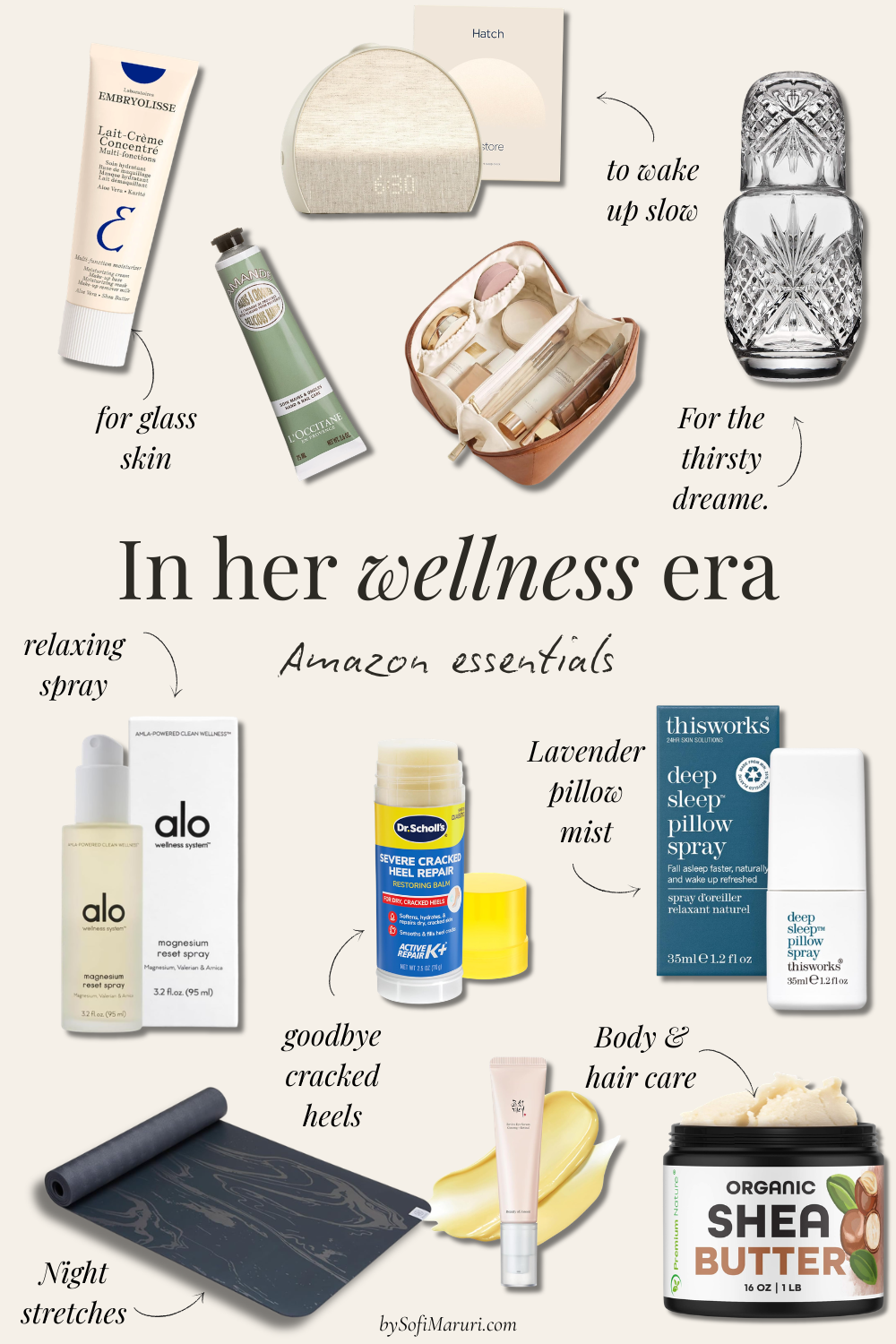
    Wellness Gifts: The Pretty and the Practical

    This post contains affiliate links, which means I may earn a small commission if you purchase through them — at no extra cost to you. I only recommend products I’ve personally used and genuinely love.

    In a hurry? You can shop my full wellness picks (and everything else I’ve curated) directly on my Amazon Storefront — all the products from this guide are saved there, ready to browse without scrolling through the post.


    Let me say something controversial about wellness gift guide Amazon lists: most of them are styled to look beautiful on a shelf, not lived with. The candle gets lit twice. The crystal water bottle collects dust. The aesthetic eye mask sits in a drawer because it isn’t actually that comfortable.

    This guide is different. Every product on this list is something I or someone I trust uses regularly — not because it looks good in a flat lay, but because it does the job. Some of them are gorgeous. A few of them are aggressively un-aesthetic. The cracked heel balm comes in a yellow plastic stick that looks like it was designed in 1997. It also works better than anything else I’ve tried, so it’s here.

    If you’re shopping for the wellness girl in your life — or for yourself, no judgment — these are the gifts she’ll actually reach for.

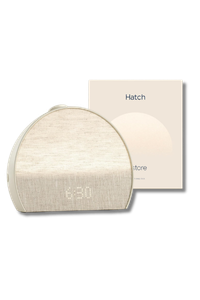
    For the Slow Morning: Hatch Restore Sunrise Alarm Clock

    If she keeps her phone on the nightstand, this is the gift that breaks the habit. The Hatch wakes you up with a gradual sunrise simulation and soft sounds instead of a jarring alarm, and the difference in how you start the day is immediate.

    It also doubles as a sound machine and reading light, so it earns its spot on the bedside table around the clock.

    Why it makes a good gift: It’s the kind of thing people want but rarely buy for themselves.

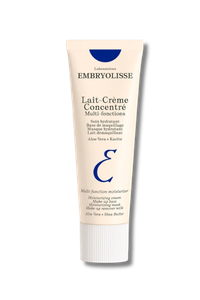
    For Glass Skin: Embryolisse Lait-Crème Concentré

    A French pharmacy classic that has been used backstage at fashion shows for decades. It works as a moisturizer, a primer, a makeup remover, and an overnight mask — all in one tube.

    The texture is rich without being greasy, and skin looks plump and dewy after a single use. If she’s into the “glass skin” look but doesn’t want a ten-step routine, this is the shortcut.

    Why it makes a good gift: Affordable luxury that genuinely lives up to the hype.

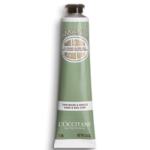
    For the Hands That Do Everything: L’Occitane Almond Hand Cream

    There are a hundred hand creams on the market. This one is non-negotiable because of how it absorbs — fast enough that you can put it on before typing or scrolling, but moisturizing enough to actually do something.

    The almond scent is soft and slightly sweet without being perfumey. Keep one in the bag, one on the desk, one on the nightstand.

    Why it makes a good gift: Small, beautiful packaging makes it ideal for stocking stuffers or add-on gifts.

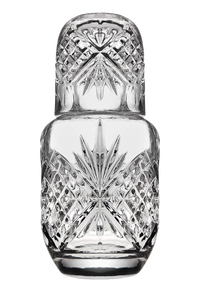
    For Hydration That Feels Intentional: A Crystal Carafe for the Nightstand

    Drinking enough water is one of those wellness basics that’s easier when the vessel feels nice. A heavy crystal carafe with a matching glass on top turns “drink more water” into a small ritual instead of a chore.

    It also looks lovely on a nightstand or a console — the kind of object that makes a room feel more grown-up.

    Why it makes a good gift: Beautiful, useful, and unexpected.

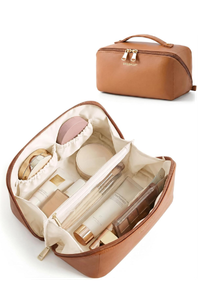
    For Travel and Daily Storage: A Structured Skincare Bag

    Anyone serious about a skincare routine knows the pain of digging through a floppy makeup bag for a single serum. A structured bag with internal compartments and a brush holder solves the problem completely.

    Look for one with a wipe-clean lining — products leak, and a soft fabric interior is a one-trip-and-done situation.

    Why it makes a good gift: Practical, but the kind of practical that feels like a treat.

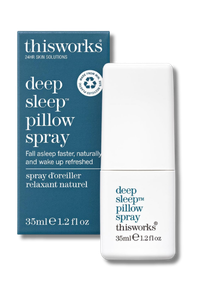
    For the Worst Sleep of Her Life Becoming the Best: This Works Deep Sleep Pillow Spray

    A light mist of lavender, vetiver, and chamomile on the pillow before bed. The science on aromatherapy and sleep is mixed, but the ritual itself is what makes this work — spraying it signals to your brain that it’s time to wind down.

    I’ve recommended this to friends going through stressful periods, and the feedback is consistent: they fall asleep faster and feel more rested.

    Why it makes a good gift: A small, thoughtful luxury that supports better sleep without supplements or screens.

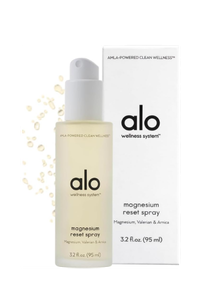
    For Sore Muscles and Restless Legs: Alo Magnesium Reset Spray

    Magnesium is having a moment in the wellness world for good reason — it helps with muscle recovery, tension, and sleep. The spray format is the easiest way to use it consistently. Mist it on legs, shoulders, or wherever feels tight before bed.

    The Alo formula is clean and doesn’t leave a sticky residue, which is the issue with most magnesium oils.

    Why it makes a good gift: It feels indulgent, but it solves a real problem.

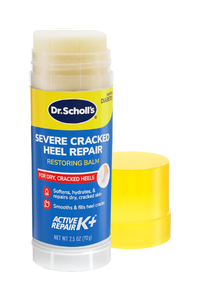
    For Cracked Heels: Dr. Scholl’s Severe Cracked Heel Repair Balm

    Here’s the un-aesthetic hero of the list. The packaging is bright yellow plastic. There’s nothing minimalist or design-forward about it. And it is hands-down the most effective heel balm I have ever used.

    Apply it before bed, put on socks, and within a few nights cracked heels are visibly smoother. After a week of consistent use, the difference is dramatic. I’ve tried fancy versions in gorgeous tubes that cost three times as much and don’t come close.

    This is the test of a good wellness gift guide: are you willing to recommend the ugly product because it works? Yes. Always.

    Why it makes a good gift: Pair it with a pretty pair of cozy socks and you have a thoughtful, genuinely useful gift.

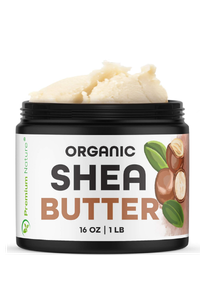
    For Body and Hair Care: Organic Raw Shea Butter

    A jar of unrefined shea butter is one of the most versatile things you can keep in a bathroom. Use it as a body moisturizer for very dry skin, a hair mask on the ends, a cuticle treatment, or layered over body oil for an intensive overnight repair.

    The texture is dense and a little waxy at first, but it melts on contact with skin. One jar lasts an embarrassingly long time.

    Why it makes a good gift: A multipurpose product that replaces three or four others in the routine.

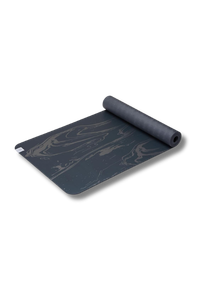
    For Night Stretches and Slow Movement: A Quality Yoga Mat

    Not for hot yoga sweat sessions — for the ten minutes of stretching before bed that make a difference in how the body feels the next morning. A good mat with cushion and grip makes you actually want to roll it out, instead of stretching on the cold floor and giving up after two minutes.

    Look for natural rubber or cork — better grip, less off-gassing, more durable than the cheap PVC versions.

    Why it makes a good gift: Encourages a habit rather than just decorating a room.

    For Tired Eyes: A Caffeine and Peptide Eye Cream

    The under-eye area is the first place stress, late nights, and screens show up. A targeted eye cream with caffeine to depuff and peptides to firm makes a visible difference, especially when stored in the fridge for an extra cooling effect.

    The morning application becomes one of those small rituals that feel like genuine self-care — not because the cream is magic, but because the act of pausing for it is.

    Why it makes a good gift: Specific, useful, and easy to wrap.

    A Few Notes on Gifting Wellness

    Wellness gifts can go wrong when they imply the recipient needs fixing. The trick is to choose things that feel like permission to slow down, not pressure to optimize.

    Pair items into themed bundles — a “slow morning” set with the alarm clock and hand cream, a “rest era” set with the pillow spray and magnesium mist — and the gift starts to feel like a curated experience rather than a stack of products.

    And don’t be afraid of the un-aesthetic hero. The yellow heel balm goes in the bag. Real wellness includes the parts of the body and the routine that don’t photograph well, and a gift guide that ignores them isn’t being honest.

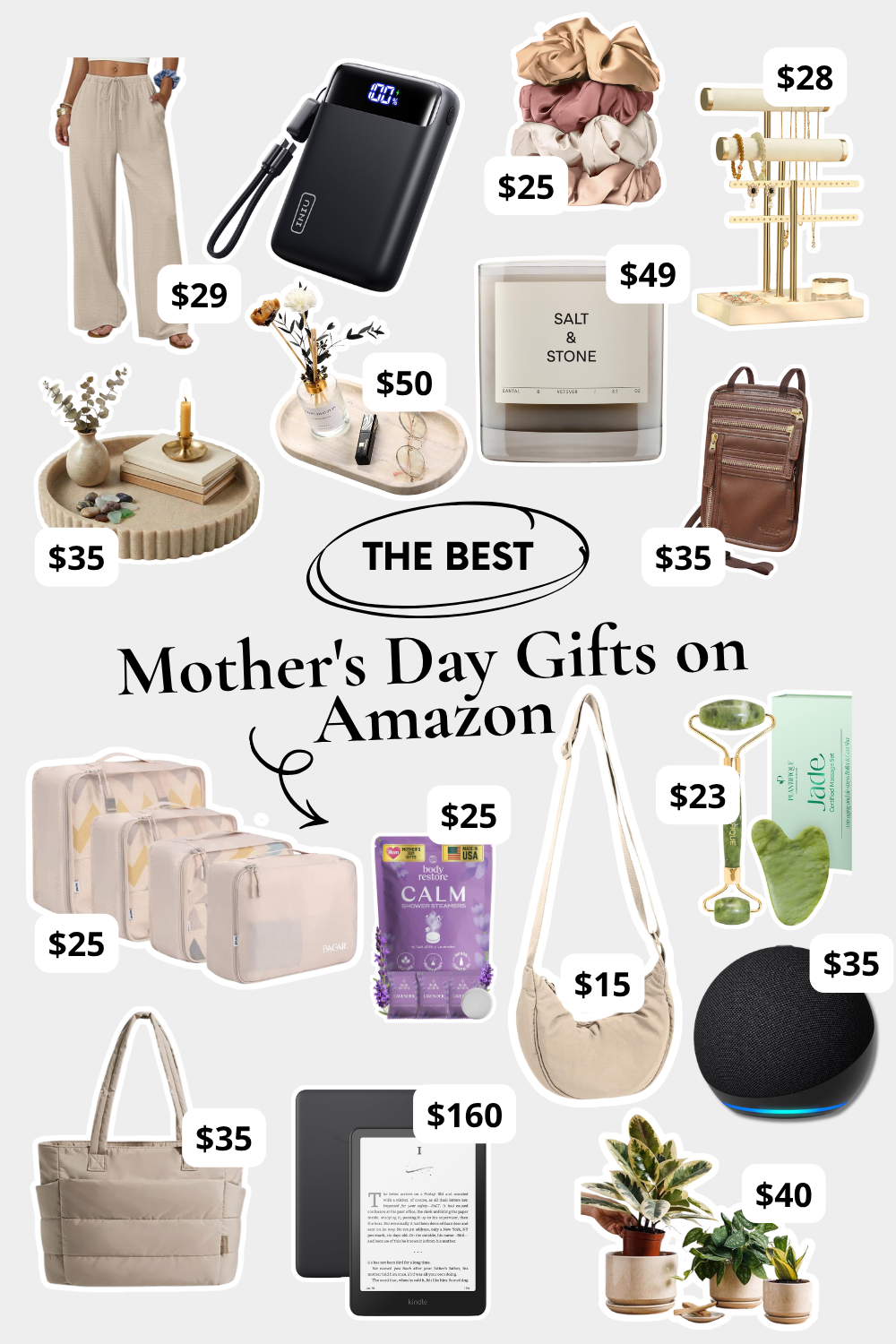
    Check the Mother’s Day Gifts on Amazon: 30 Ideas She’ll Actually Love (2026)

    • Coffee Lover Gift Guide: 16 Things I’d Actually Want to Receive
    • Mother’s Day Gifts on Amazon: 30 Ideas She’ll Actually Love (2026)

  • Bobbi Brown Cream Shadow Stick: My Honest Review After Months of Daily Wear

    Bobbi Brown Cream Shadow Stick: My Honest Review After Months of Daily Wear

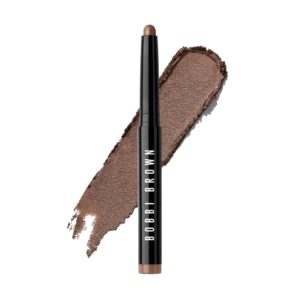
    I’m not someone who falls in love with makeup products easily. I’ve tried plenty of cream eyeshadows that promised the world and creased before lunch, glittery formulas that scattered fallout all over my cheeks, and “easy to apply” sticks that demanded a brush, a primer, and a small prayer. So when I tell you that the Bobbi Brown Long-Wear Cream Shadow Stick in Golden Bronze has become a non-negotiable in my routine, I mean it.

    This is the kind of product that changed what I expect from eye makeup on a regular weekday. Here’s why.

    Why Golden Bronze Is the Shade I Reach For

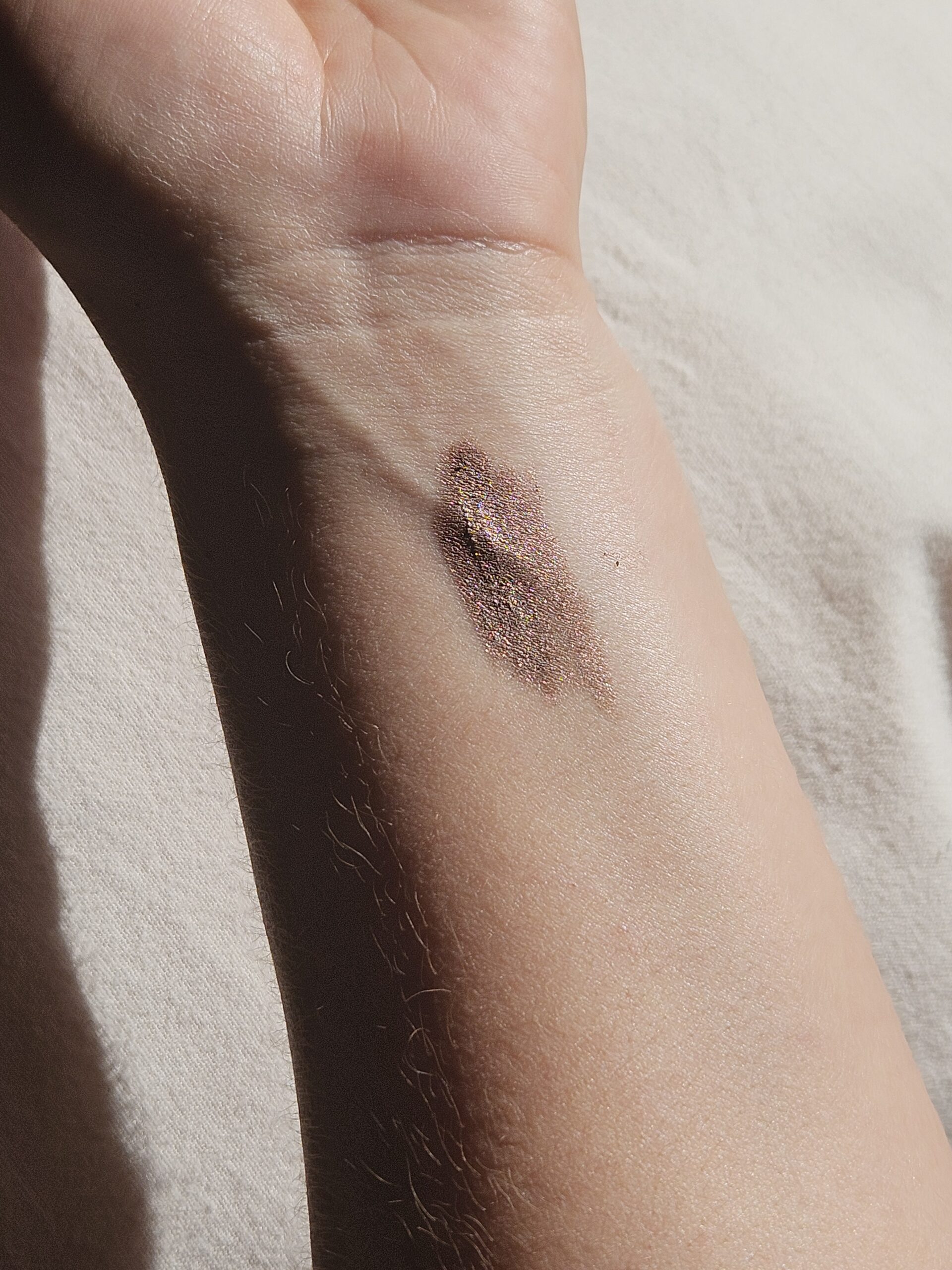
    Golden Bronze is exactly what the name suggests, but the execution is what makes it special. It’s a warm, sun-kissed bronze with a real metallic shimmer — not chunky glitter, not a flat shimmer wash. It catches the light like skin does on a good day in summer.

    The shade flatters a wide range of skin tones, but it especially shines on warm undertones. If you’ve ever looked at a bronze shadow in the pan and worried it would read orange or muddy on your lids, this one doesn’t do that. It leans more golden than red, which keeps it looking lit-from-within rather than overdone.

    The Five-Second Application That Sold Me

    Let me describe my actual morning routine: I twist up the stick, swipe it across my mobile lid, blend the edges with my finger, and I’m done. No brush. No primer. No fallout to clean off my cheekbones.

    This is the part I cannot overstate. The texture is creamy enough to glide on without tugging at the eyelid, but it doesn’t drag pigment around the way some sticks do. You get a clean line of color exactly where you place it.

    For a more pulled-together look, I tap a second layer onto the center of the lid for a spotlight effect. That’s it. That’s the whole technique.

    Buildable Intensity Without the Mess

    One of the things I love most is that this shadow respects how much effort you actually want to put in. A single swipe gives you a soft, wearable shimmer — perfect for working from home, running errands, or those days when you want to look polished without looking done.

    Build it up with a second or third layer and suddenly you have a smoky, dimensional eye look that holds its own at dinner. I’ve worn this to weddings, work meetings, and lazy Sunday brunches, and it adapts to all of them.

    What it doesn’t do is get patchy or uneven as you build. That’s rare in cream formulas, and it’s the reason I keep recommending this stick to friends who tell me they “can’t do eyeshadow.”

    The All-Day Wear Test

    I have oily lids. I live in a climate where afternoons get warm. I rub my eyes more than I should admit. By any reasonable standard, I am the worst-case scenario for cream eyeshadow.

    This shadow stick lasts. Not “lasts until lunch” — actually lasts. I’ve checked the mirror at the end of long days expecting to see creasing, fading, or migration into the crease, and the color is essentially where I put it that morning. There’s a slight softening of the edges over time, but if anything that makes the look more lived-in and flattering, not worse.

    For longevity that serious, I expected to need a dedicated eye makeup remover. A regular cleansing oil or micellar water takes it off without scrubbing.

    The real test came at weddings. I’ve worn this through six-plus-hour celebrations — ceremony, dinner, and hours of dancing on the floor under hot lights. Between the heat, the sweat, and zero touch-ups in my bag, I fully expected to find smudged-out lids by the time the cake came around. Instead, the color stayed exactly where I put it. No migration, no creasing, no fading. If it can survive a wedding reception in motion, it can survive anything you throw at it.

    Who Will Love This Shadow Stick

    If you’re a beginner who finds eyeshadow palettes intimidating, this is the easiest entry point I’ve ever found. There’s no blending technique to master and no risk of muddy color.

    If you’re a busy person who travels often or gets ready in transit, the stick format is perfect. One product, no brushes, no extra steps.

    If you love a warm, golden-hour eye look, Golden Bronze will probably become a staple. It’s the makeup equivalent of soft afternoon light.

    Also check out my post $312 vs. $79: The Best Makeup Dupes That Actually Work

    A Few Honest Caveats

    To keep this review balanced: the price point sits in the higher mid-range of department store makeup. It’s an investment compared to a drugstore stick, but I’ve used mine almost daily for months and there’s still plenty of product left, so the cost-per-wear math works out in its favor.

    The shimmer level might be too much if you prefer a completely matte eye. This is not a matte product, and trying to make it one will only frustrate you. Bobbi Brown does offer the formula in matte and satin finishes, so the line itself has options.

    Final Verdict

    The Bobbi Brown Long-Wear Cream Shadow Stick in Golden Bronze is the rare beauty product that lives up to its claims and earns a permanent spot in my routine. It’s beautiful, foolproof, long-wearing, and flattering — exactly what I want from my favorite eyeshadow.

    If you’ve been looking for an everyday eye look that takes less than a minute and still looks intentional, this is the one I’d point you to first.

  • The Best Vanilla Cinnamon Latte You’ll Make at Home

    The Best Vanilla Cinnamon Latte You’ll Make at Home

    There is a specific kind of silence that only exists at 7:15 AM, right before the world decides to start demanding things from you. My nightstand is usually a chaotic landscape of my Kindle, three different lip balms, and a charger cable that works only at a specific angle. It is the habitat of a 28-year-old teenager who is still figuring out how to “adult” without losing the wonder of it all. In that quiet window, before the emails start pinging and the “to-do” list begins to itch, I have this ritual. It isn’t about productivity or “fueling up” for a grind I didn’t sign up for; it is about the gentle act of being kind to myself.

    For a long time, I thought a truly good latte was something I had to outsource. I’d put on a coat, walk to the corner cafe, and pay someone else to create that perfect cloud of microfoam and spice. But there is something deeply grounding about making it yourself. Holding a warm mason jar while the steam hits your face is a form of meditation that no app can replicate. This vanilla cinnamon latte at home has become my signature morning anchor. It tastes like a hug in a glass, a sweet and spicy reminder that even if the rest of the day goes sideways, the first fifteen minutes were exactly what I needed them to be.

    Why this homemade vanilla latte is the ultimate mood shifter

    Most coffee recipes you find online are either too clinical or far too complicated for someone who hasn’t had their caffeine yet. This recipe works because it prioritizes the quality of the ingredients over the complexity of the technique. We aren’t trying to be world-class baristas here; we are just trying to make something that makes our souls feel a little more settled. By using real honey instead of a processed syrup, you get a depth of sweetness that feels artisanal rather than artificial. It doesn’t just sit on top of the coffee; it weaves through it.

    The inclusion of cinnamon isn’t just for the aesthetic of a “cozy morning coffee.” When you whisk cinnamon directly into the espresso or the milk, it releases oils that change the entire profile of the bean. It cuts through the bitterness and adds a woody, earthy warmth that makes the vanilla pop. This isn’t a drink that leaves you with a sugar crash twenty minutes later. It’s balanced, intentional, and remarkably easy to replicate even when you’re still half-asleep and wondering where you left your slippers. It’s a small luxury that costs pennies but feels like a ten-dollar treat.


    What you’ll need for your cinnamon latte recipe

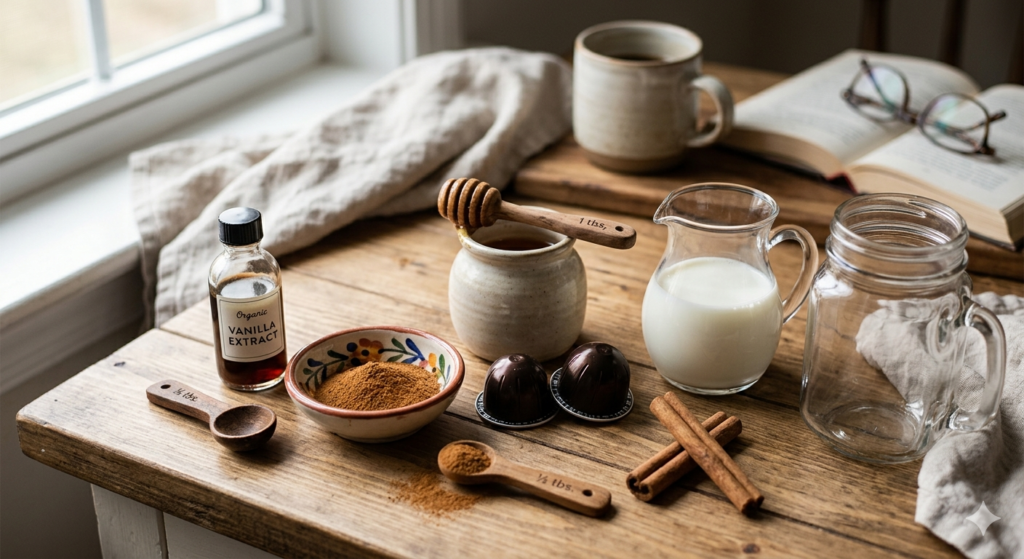
    Gathering your ingredients is the first step in the ritual. Take a second to smell the cinnamon and the vanilla before you start. It’s part of the magic.

    • 1-2 shots of espresso: If you don’t have an espresso machine, a very strong moka pot brew or even a concentrated French press coffee works beautifully.
    • ¾ cup of milk: Whole milk creates the best foam, but oat milk is a close second for that creamy, nutty finish.
    • 1 tbs of raw honey: This provides a natural, floral sweetness that balances the spice.
    • ½ tbs of real vanilla extract: Please, skip the “vanilla flavoring.” We want the real deal here.
    • ½ tbs of ground Ceylon cinnamon: It’s sweeter and more delicate than the standard supermarket variety.
    vanilla cinnamon latte ingredients flat lay
    Full disclosure: The super aesthetic ingredient flat lay below? Yeah, that’s courtesy of AI. Because let’s be honest, my real kitchen counters look less like a Pinterest board and more like a ’28-year-old teenager’ explosion. We keeping it real here!
    Kitchen essentials you’ll want

    You don’t need a kitchen full of high-tech gadgets to make a masterpiece. These are the few tools I swear by to keep my coffee station looking cute and functioning perfectly.

    Handheld Milk Frother

    This is the secret to that cloud-like texture without spending hundreds on a steam wand. It’s small enough to tuck into a drawer and powerful enough to make your milk look like a painting.

    🇺🇸 Get it on Amazon · 🇲🇽🇨🇱🇦🇷 En Mercado Libre

    Nespresso Machine

    The ultimate shortcut to a perfect, consistent espresso shot. It’s quick, mess-free, and ensures your latte base is exactly the same every single morning. Plus, it looks sleek on any countertop.

    🇺🇸 Get it on Amazon · 🇲🇽🇨🇱🇦🇷 En Mercado Libre

    Real Vanilla Extract

    Invest in the good stuff. You only use a little bit at a time, and the difference in flavor is monumental. It smells like a dream and lasts forever.

    🇺🇸 Get it on Amazon · 🇲🇽🇨🇱🇦🇷 En Mercado Libre

    Ceylon Cinnamon

    Unlike regular cinnamon, Ceylon is “true” cinnamon. It’s softer on the palate and doesn’t have that harsh bite, making it perfect for lattes.

    🇺🇸 Get it on Amazon · 🇲🇽🇨🇱🇦🇷 En Mercado Libre

    Glass Mason Jars

    There is something about seeing the layers of coffee and foam through the glass that makes the experience feel more elevated. Plus, they’re easy to clean.

    🇺🇸 Get it on Amazon · 🇲🇽🇨🇱🇦🇷 En Mercado Libre


    How to make the best vanilla cinnamon latte at home

    Step 1: Prep your base

    Start by brewing your espresso or strong coffee. While the coffee is still piping hot, add your tablespoon of honey and the half tablespoon of cinnamon directly into the mug or jar. Use a small spoon to whisk them together until the honey has completely dissolved and the cinnamon is well incorporated. This ensures you don’t end up with a clump of spice at the bottom of your drink.

    Step 2: Add the vanilla

    Stir in your vanilla extract. Adding it to the hot coffee base helps to release the aroma. At this point, your kitchen should start smelling like a high-end bakery.

    Step 3: Heat the milk

    Warm your milk on the stove or in the microwave. You want it hot to the touch but not boiling (around 150°F if you’re being precise, but “steamy” is a good visual cue). If you boil it, the proteins break down and it won’t foam as well.

    Step 4: The frothing ritual

    Take your handheld frother and tilt the milk container slightly. Insert the frother just below the surface to create large bubbles, then move it deeper to create that creamy, velvety microfoam. Do this for about 20-30 seconds until the milk has almost doubled in volume.

    Step 5: The pour

    Slowly pour the frothed milk over your spiced coffee base. If you’re feeling fancy, use a spoon to hold back the foam so the liquid milk goes in first, then dollop the foam on top at the very end.

    Step 6: The finishing touch

    Dust a tiny bit of extra cinnamon on top. Find a spot with good natural light, put your phone on “Do Not Disturb,” and take that first sip.


    Pro tips from a 28-year-old teenager

    After making approximately five hundred of these, I’ve learned a few things about how to keep the process stress-free and the flavor consistent.

    • Bloom your cinnamon: If you find the cinnamon stays too grainy, try mixing it with a tiny splash of hot water or the honey first to create a paste before adding the coffee. It “blooms” the spice and smooths the texture.
    • Temperature matters: If you’re using a non-dairy milk, don’t overheat it. Oat and almond milk tend to “separate” or taste slightly burnt if they get too hot. Keep it gentle.
    • The Jar Trick: If you don’t have a frother yet, you can put your warm milk in a mason jar, screw the lid on tight, and shake it vigorously for 30 seconds. It’s a great arm workout and surprisingly effective.
    • Quality of Water: It sounds nerdy, but if your tap water tastes like chlorine, your coffee will too. Use filtered water for your brew to let the vanilla and cinnamon notes really shine.

    Variations to try

    While the hot version is my go-to for slow mornings, life happens, and sometimes you need a different vibe.

    • The Iced Version: Follow the steps to make the coffee base with honey, cinnamon, and vanilla. Let it cool slightly, then pour over a glass full of ice. Top with cold milk and a splash of cream.
    • The Oat Milk Swap: For an extra-creamy, almost toasted-oat flavor, use a “Barista Edition” oat milk. It pairs beautifully with the woodiness of the Ceylon cinnamon.
    • Decaf for the Soul: I love having one of these at 8:00 PM while reading in bed. Just swap the espresso for a high-quality decaf bean. It’s the ultimate sleep ritual.

    Frequently Asked Questions

    Why does my cinnamon always clump at the top?

    Cinnamon is hydrophobic, meaning it doesn’t naturally want to mix with liquid. The trick is to mix it with the honey or a tiny bit of hot espresso first to create a “slurry” before adding the rest of the milk.

    Can I use maple syrup instead of honey?

    Absolutely. Maple syrup gives it a more autumnal, “pancake-esque” flavor which is also delicious. However, honey provides a thicker mouthfeel that I personally prefer for this specific recipe.

    What if I don’t have an espresso maker?

    No problem at all. Just make a very small, concentrated amount of regular coffee. Use double the grounds you usually would for the same amount of water. It won’t be “true” espresso, but with the milk and spices, you’ll hardly notice the difference.


    Making your own coffee is a small act of rebellion against a world that wants us to hurry up. It is a way to say, “I am worth the five minutes it takes to froth this milk.” Whether you’re drinking this in your pajamas or while getting ready for a big meeting, I hope it brings you a little bit of peace.

    If this recipe made your morning better, wait until you see my guide with 15 cozy recipes for slow mornings. Drop your email below and I’ll send it free.

    Subscribe and get my 15 cozy morning recipes guide free!

    Please wait…

    Thank you for sign up!

    Stay curious and stay cozy. ☕

    Besos,

    Sofi

    Next up on the blog: Why I’m reclaiming the word ‘hobby’ and why you should too.


    Affiliate Disclosure: This post contains affiliate links. If you purchase through these links, I may earn a small commission at no extra cost to you. I only recommend products I genuinely use and love in my own kitchen.

  • How to Start a Blog From Scratch: An Honest Beginner’s Guide

    How to Start a Blog From Scratch: An Honest Beginner’s Guide


    The Honest Version Nobody Posts on Pinterest

    If you’ve spent more than ten minutes Googling how to start a blog from scratch, you’ve probably noticed that every article reads like a checklist written by someone who is not, in fact, blogging. Pick a niche. Buy a domain. Install a theme. Publish. Make six figures by Tuesday.

    I’m writing this from the other side of those tutorials — the side where you actually do the thing, get stuck on something nobody warned you about, and quietly close your laptop at 1 a.m. wondering if everyone else found this easier than you did.

    This is the post I wish someone had written before I started By Sofi Maruri. No affiliate-stuffed listicle, no fake “I made $10K my first month” screenshots. Just the real timeline of building a blog from zero, in your late twenties, with a full life happening around it.

    I didn’t have a mentor, a course, or a friend who’d done this before me. I had open browser tabs, contradictory advice, and a lot of wasted weekends. That detail matters for the rest of this post, so hold onto it.

    Why I started a blog before 30

    I didn’t start blogging because I had a content strategy. I started because I needed somewhere to put the version of myself that didn’t fit anywhere else.

    I’d left a corporate path that looked good on paper, started building a slower, more intentional life in Chile, and realized I had a lot of things to say about travel, food, personal growth, and the strange in-between of figuring out adulthood without a manual. The blog became the container for all of it.

    If you’re considering starting a blog from scratch, the first honest thing I can tell you is this: a niche you can sustain matters more than a niche that ranks. If you don’t actually want to write about it on a Tuesday night when nobody is reading, no SEO strategy will save you.

    The expectations vs. the reality

    Here’s what I thought starting a blog would look like:

    1. Buy a domain (cute).
    2. Pick a beautiful theme (fun).
    3. Write posts (I love writing).
    4. Watch traffic come in (sure, why not).

    Here’s what it actually looked like:

    1. Spend a week comparing hosting plans, second-guessing every choice.
    2. Buy the domain. Feel briefly powerful.
    3. Open WordPress for the first time and immediately want to close it.
    4. Try to make a homepage. Fail. Try a different theme. Fail differently.
    5. Reset everything. Start over.
    6. Realize “writing posts” is maybe 20% of having a blog.
    7. Cry a little. Keep going anyway.

    If your version of starting a blog from scratch involves a meltdown around step four — congratulations, you’re doing it normally.

    The disaster that actually taught me something

    A few weeks in, I made the classic beginner mistake: I tried to make my blog look exactly like a Pinterest screenshot. I downloaded a complicated theme, installed plugins I didn’t understand, and built a homepage that looked beautiful for about six hours before something broke and I couldn’t undo it.

    I had to do a full reset. Theme gone. Layout gone. The fake productivity of “look how much I’ve built” — gone.

    That reset is the most useful thing that’s happened to my blog so far, and here’s why: it forced me to start with the boring stuff first. Permalinks. Category slugs. A clean static homepage. A theme (I switched to Kadence — Astra is also great) that didn’t require a paid version to look like a real website. An About page written like a human wrote it.

    The lesson: when you start a blog, build the skeleton before the skin. Everything cute you want to do later — sticky menus, fancy fonts, animated buttons — will be easier on top of a clean structure than retrofitted onto a mess.

    What I’d do differently to start a blog from scratch

    If you’re at the very beginning and want to start a blog from scratch, here’s the order I’d actually recommend, based on what saved me time vs. what I had to redo:

    1. Pick a long-game domain, not a clever one. Your name, or a phrase that isn’t tied to your current life stage. I love that mine includes my name — it grows with me.

    2. Choose hosting based on price and ease, not on the affiliate review with the most stars. I use Hostinger Premium (around USD 5/month) and it’s been more than enough to start. You don’t need enterprise hosting in month one.

    3. Use a free, lightweight theme from day one. Kadence and Astra are both excellent. Don’t pay for a theme until you know exactly what features you need. You probably won’t need them.

    4. Set up your structure before you write anything. Permalinks, categories, tags, your main pages (Home, About, Contact, a basic Newsletter page). This takes one focused afternoon and saves you weeks of cleanup later.

    5. Write the About page like you’re talking to one person. Not “Welcome to my blog, a space where I share…”. Write it like you’re explaining yourself to someone you actually like.

    6. Install only the plugins you need. For most beginners that’s: an SEO plugin (Yoast or RankMath), a caching plugin, and a backup plugin. That’s it. The plugin rabbit hole is real.

    7. Publish before it’s perfect. Your first post will be cringe in six months. So will mine. That’s how you know you’re growing.

    The tools that actually earned their place

    After months of trial, error, and reset buttons, this is the short list of what I actually use and recommend if you’re starting a blog from scratch:

    • WordPress.org as the platform (not .com — this matters)
    • Hostinger for hosting
    • Kadence as the theme
    • Gutenberg as the editor (no Elementor — the free version locks too much behind Pro)
    • Yoast for SEO
    • MailerLite for email — generous free plan, not ugly, not overwhelming
    • Pinterest for traffic — especially if you write in two languages like I do
    • Notion for everything behind the scenes: editorial calendar, post drafts, SEO tracking, ideas

    The Notion piece is the one nobody talks about enough. You will drown in ideas, drafts, half-finished outlines, and SEO research within your first month. Having a system for that isn’t optional — it’s the difference between blogging consistently and ghosting your own blog for six weeks.

    My first month, in real numbers

    Since I’m committed to honesty in this post, here’s exactly what one month of blogging looked like for me:

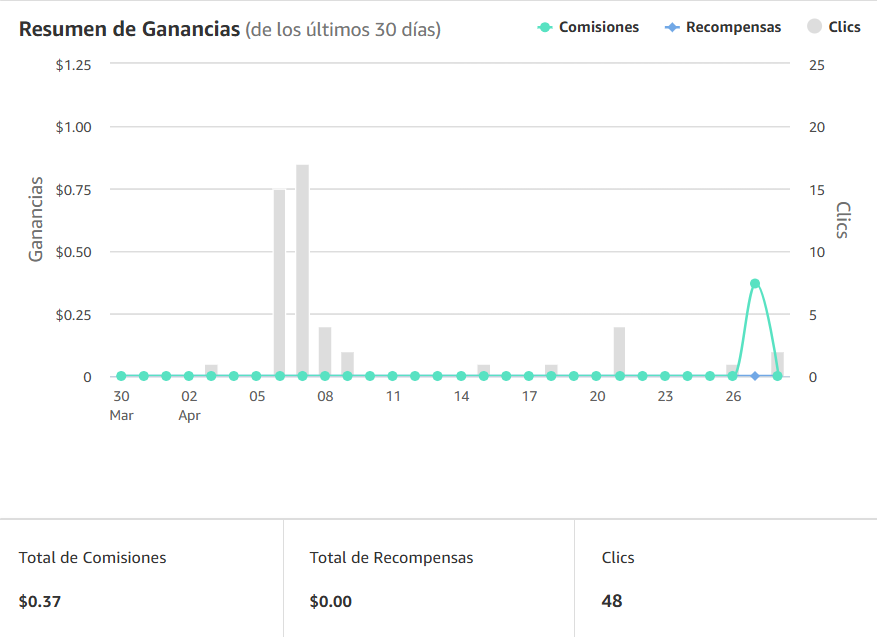
    • Total Amazon affiliate commissions: $0.37
    • Total clicks: 48
    • Total reward earnings: $0.00

    Yes, thirty-seven cents. I am not joking, and I am not embarrassed.

    Amazon affiliate dashboard showing first month earnings of $0.37 from 48 clicks

    I’m sharing the actual screenshot because the internet is full of “I made $5,000 my first month blogging” stories, and they’re either lying or selling you a course where the only person making $5,000 is them. The real first month of a blog, for almost everyone, looks like single-digit dollars and a lot of refreshing.

    Here’s why I’m proud of $0.37 anyway:

    • It’s $0.37 I didn’t have last month
    • Those 48 clicks are 48 real human beings who landed on my blog and trusted me enough to click through
    • Every single one of those clicks came from Pinterest, not Google — which means SEO traffic is still entirely ahead of me
    • It’s proof of concept that the system works, just at a tiny scale

    If you’re starting a blog and your first month earns you a coffee, you didn’t fail. You did the thing. The numbers compound — but only if you keep showing up.

    The lesson I’d pass on: Pinterest is the fastest traffic channel for a brand-new blog. Google takes months to trust you. Pinterest will start sending you visitors in week one if you pin consistently. If you only have time for one off-blog channel in your first 90 days, make it Pinterest.

    The shortcut to start a blog from scratch

    Most of what I just shared took me months to figure out — partly because every tutorial assumes you already know what a permalink is, and partly because there’s no map for the in-between of “I want a blog” and “I have a blog that actually works.”

    I didn’t have any of this when I started… so I built the resources I wish someone had handed me — and the only honest reason they exist is to save you the weeks I lost.

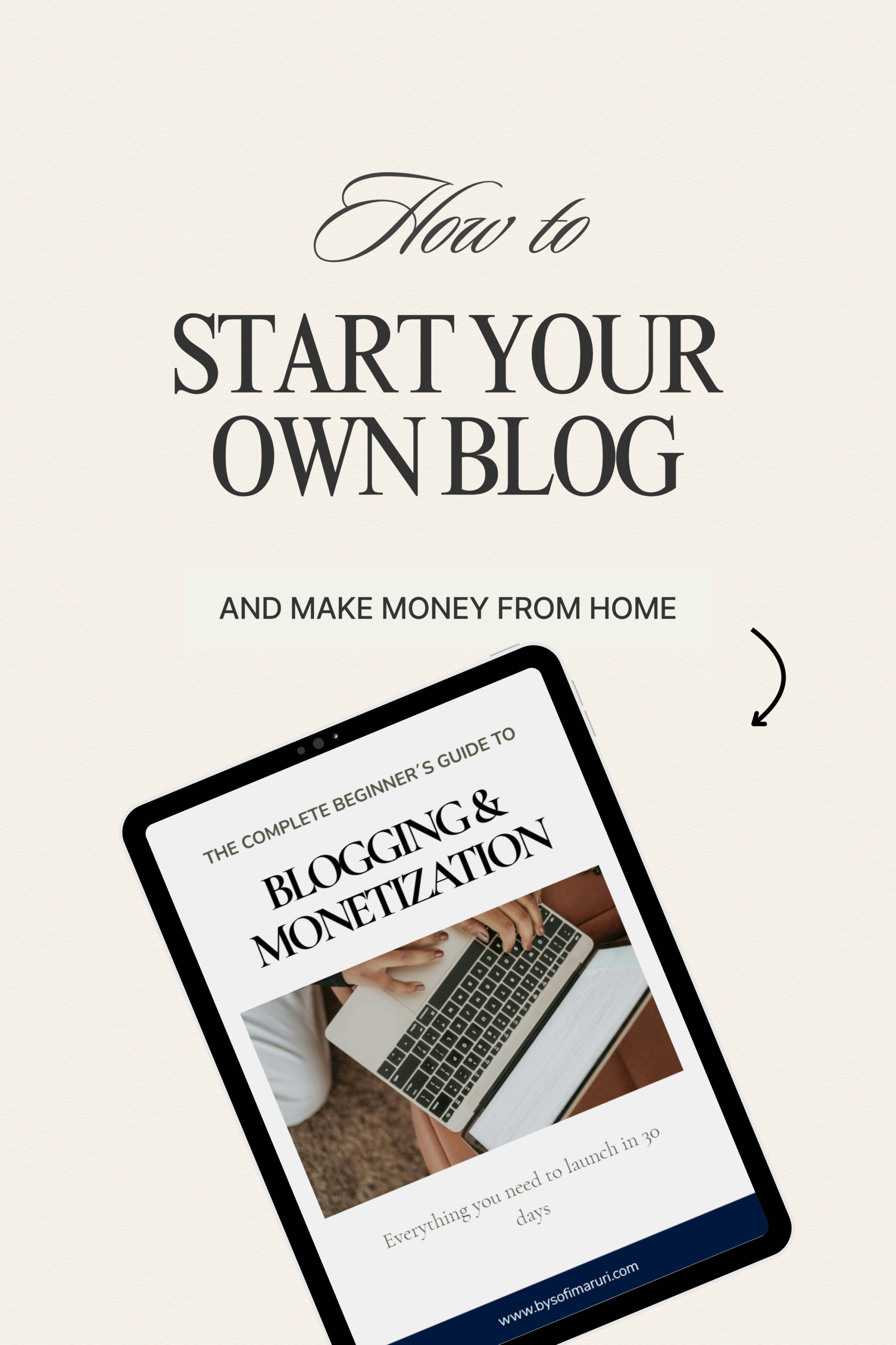
    [The Beginner Blog Ebook] — the full step-by-step of starting a blog from scratch, written the way I’d explain it to a friend who asked me over coffee. Hosting, domain, theme, structure, first posts, common mistakes, and the unsexy technical stuff in plain language.

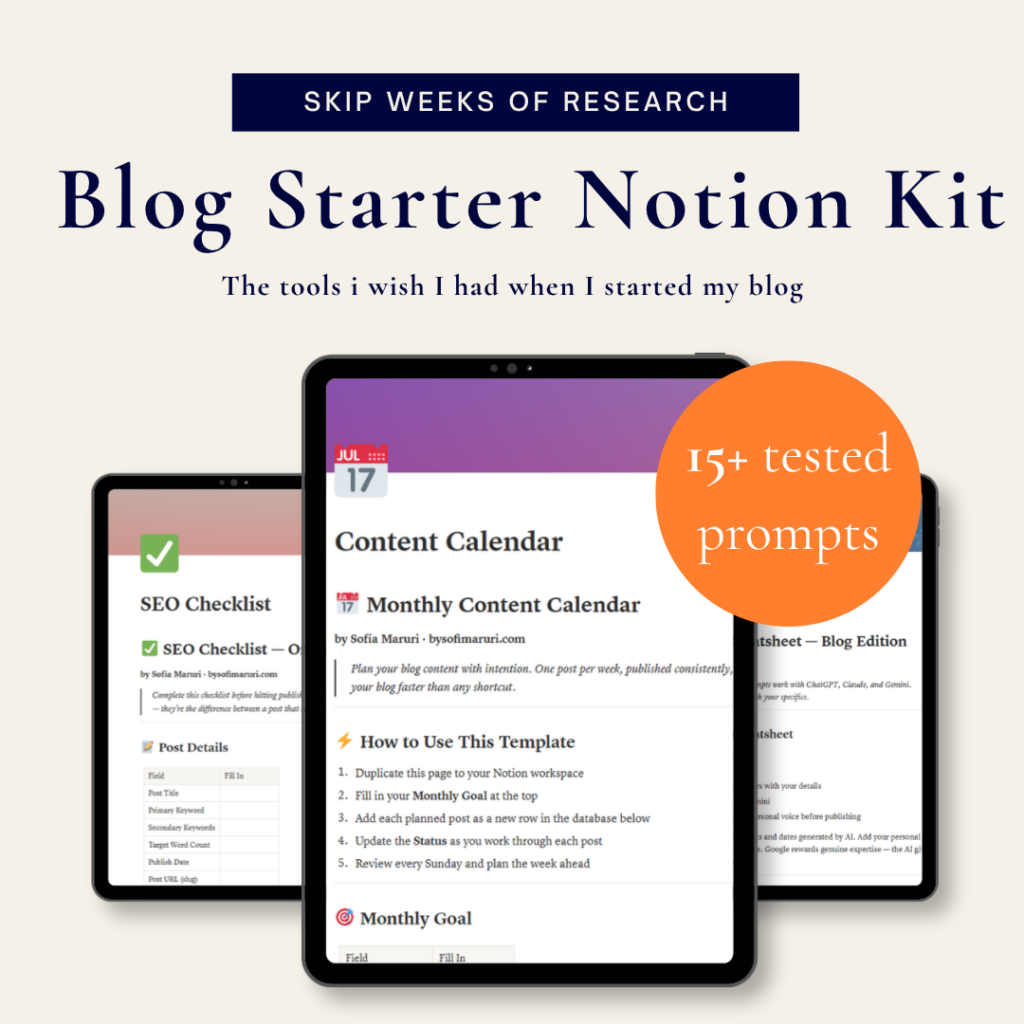
    [The Notion Templates for Bloggers] — the actual system I use to plan posts, track SEO keyphrases, manage my editorial calendar, and keep ideas from disappearing into my Notes app.

    If you’d rather DIY it from blog posts and YouTube tutorials, I respect that — that’s how I started too. But if you’re trying to start a blog from scratch without losing weeks to mistakes I already made, those are the shortcuts I genuinely wish someone had handed me.

    The thing nobody tells you about how to start a blog from scratch

    Starting a blog from scratch is less about technical skill and more about emotional stamina. The tutorials make it look like a weekend project. It’s not. It’s a slow build of small decisions, broken layouts, deleted drafts, and the quiet practice of showing up to a thing nobody is watching yet.

    But there’s something real on the other side of that. A piece of the internet that’s actually yours. A place to put what you think. A small business that grows on your own time, in your own voice, on your own domain.

    If you’re standing at the beginning of that, scrolling through tutorials and wondering if you can really do it: you can. You’ll mess up the way I messed up. You’ll reset something at some point. You’ll publish posts that feel embarrassing in retrospect.

    The trade is your time… Either way, you’ll end up with a blog. The only question is how many late nights you want to lose on the way there.

    You’ll also, eventually, be the person writing the honest version for someone else.


    Did this help? The full beginner ebook and the Notion templates I use are linked above — and if you want the next post (probably “10 free WordPress plugins I actually use”), the easiest way to not miss it is to join the email list at the bottom of this page.

  • Coffee Lover Gift Guide: 16 Things I’d Actually Want to Receive

    Coffee Lover Gift Guide: 16 Things I’d Actually Want to Receive


    5–8 minutes
    ,

    I’m a little tired of coffee lover gift guides that all look the same: the same generic moka pot, the same graphic mug with “but first, coffee” on it, the same accessory set that ends up in a drawer. So I wrote my own.

    I’m 28, and the kind of coffee lover who checks the roast date on the bag and gets genuinely excited when she unboxes a beautiful mug. This is the list I actually put together on Amazon — things that, if someone gave them to me, I’d open with real excitement. Not the polite “aw, thank you” face we all master by age 25.

    Use this to drop hints for yourself, or for that person in your life who doesn’t start the day until the first cup is in their hand.

    Heads up: prices range from under US$10 to around US$500, because a good gift guide has to work for every budget.

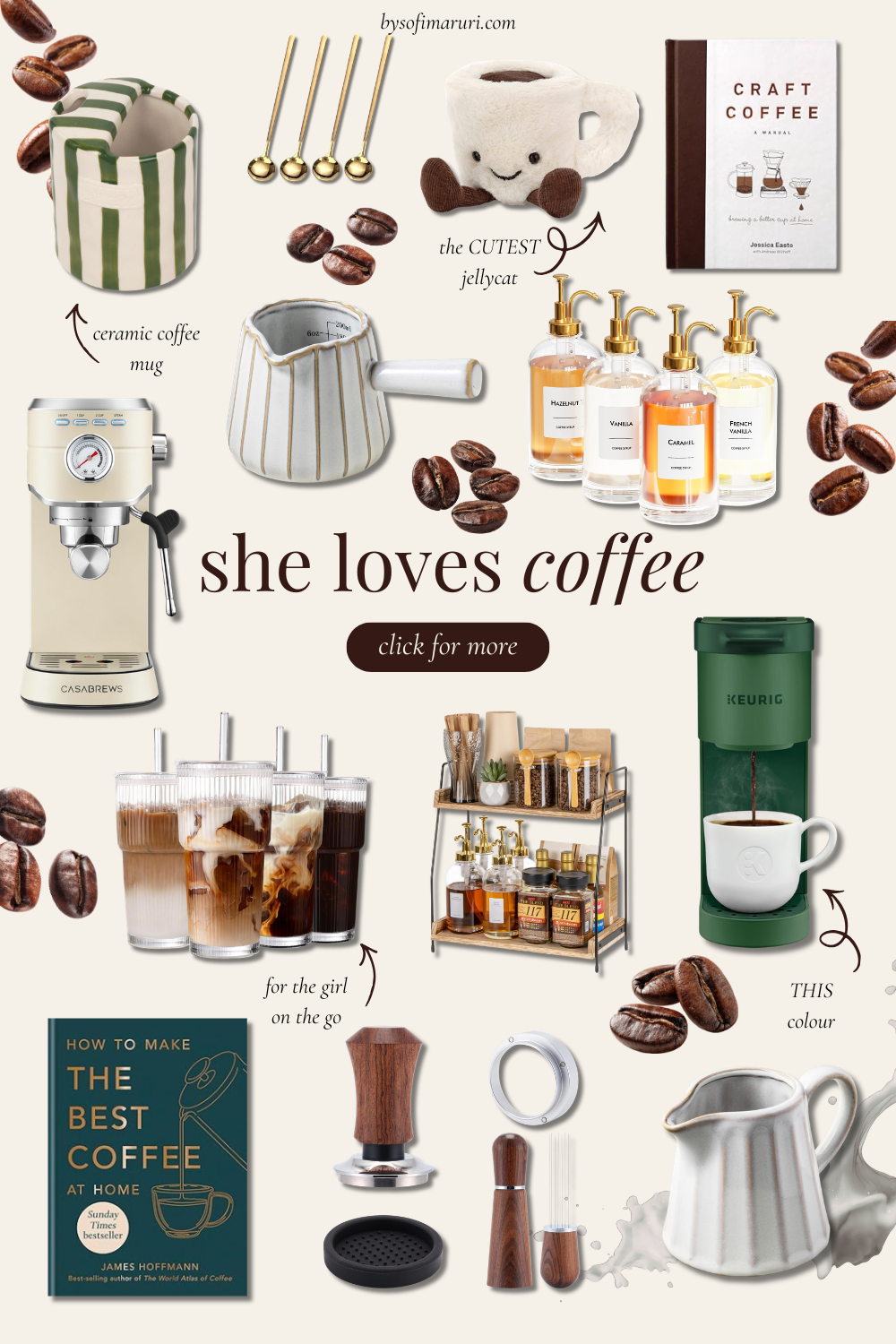
    Coffee lover gift guide flatlay with espresso machine mugs books and coffee accessories

    1. For the person turning their kitchen into a café

    This is the “I’m done waiting in line at the coffee shop” tier. If the person you’re gifting is already buying specialty beans and talking about extraction ratios, they’re ready for the jump.

    Semi-automatic espresso machine — around US$170

    The machine I’d pick if I could only have one: compact, cream-colored, and pretty enough to live on the counter without hiding it. Makes solid espresso without drowning you in settings. It’s the gateway gift for anyone serious about starting a real home espresso ritual.

    Premium automatic espresso machine — around US$500

    The big-gift option. This is for someone you love a lot, or the person you share the kitchen with. It grinds, doses, extracts and steams milk — basically replacing months of café runs in one purchase.
    Tamper and distribution set — around US$30

    The accessory that actually gets used. Wood handle, good weight, and the simple act of pressing the grounds becomes part of the ritual. Works as a small standalone gift or as a thoughtful add-on to a machine.

    Ceramic milk pitcher — around US$15

    Small, cheap, changes the game. If the person you’re gifting is attempting latte art at home — or just wants decent foam — a well-designed steel pitcher makes a real difference.


    2. For the slow mornings, no cables, no ceremony

    Not every day calls for playing barista. Sometimes you just want to press a button and have coffee. For those mornings — or for the person who lives alone, travels a lot, or just doesn’t want to complicate things — this is the section.
    Keurig K-Mini (green) — around US$60

    The cutest, most functional single-serve machine you can gift. The green is beautiful, it fits in the smallest kitchen, and for anyone living in a studio apartment or moving often, it’s perfect. I’d keep one in my imaginary second home.

    Starbucks Blonde Espresso K-Cups (22-count) — around US$19

    The obvious pairing if you’re gifting the Keurig, but also works as a standalone for anyone who already has one. Blonde is my pick because it’s less bitter than the classic dark roasts — easier to drink black or with milk.

    Digital mug warmer — around US$22

    I put this in every guide I write, because it’s genuinely one of the best small gifts someone could give me. Exact temperature control, clean digital display, and it solves the universal problem of getting distracted and ending up with cold coffee. Small detail, huge impact.


    3. The books that change how you drink coffee

    If your coffee lover already reads about coffee or considers themselves a bit of a nerd, these two are non-negotiable. The kind of books that get flipped through again and again, corners folded.

    How to Make the Best Coffee at Home — James Hoffmann — around US$12

    If you know coffee, you know James Hoffmann. This book is the home brewing manual: grind, water, ratios, methods — all explained without being condescending. A must-own.

    Craft Coffee: A Manual — around US$14

    More visual, more focused on pour-over methods (V60, Chemex, Aeropress). Beautiful enough to live on the coffee bar as functional decor, and useful for slow Sunday mornings when you actually have time to brew a proper pour-over.


    4. The coffee corner: details that decorate and work

    This is my favorite section. Because a real coffee lover doesn’t just drink coffee — they build a little corner for it. And that corner deserves accessories that are beautiful and useful.

    Tiered wooden organizer — around US$22

    For the home coffee bar. Three wooden tiers for the machine, mugs, bean jars and accessories. Turns any kitchen corner into something worthy of a Pinterest save — and more importantly, keeps everything within reach.

    Glass syrup dispensers — around US$30

    Amber glass bottles with pump tops: gorgeous, practical, and they completely upgrade the experience of making flavored coffee at home. Vanilla, caramel, hazelnut, whatever. The presentation alone earns the gift.

    Iced coffee glasses with lids and straws — around US$20

    For the year-round iced latte era. Thick glass, secure lid, reusable straw. If the person makes iced coffee at home — even in winter — they’ll use these daily.

    Green and white striped ceramic mug — around US$17

    The mug I’d pick for my morning coffee while I read. Good ceramic, green stripes on white, very slow Sunday energy. These are the details that make drinking coffee at home feel like an occasion.

    Gold spoons (set of 4) — around US$7

    The cheap gift that gets used the most. Thin, gold, perfect for stirring coffee or serving sugar. For under US$10, you elevate the whole ritual.

    Ceramic espresso cup — around US$15

    A well-designed milk pitcher (stainless or white ceramic) upgrades the breakfast table instantly. Perfect for anyone who takes their coffee the old-fashioned way — not frothed, just poured slowly.


    5. A tender gift, just because

    Jellycat Amuseable Coffee Cup — around US$39

    I know you’re thinking “a plush?” and yes, a plush. Jellycat has a deserved cult following, and this little smiling coffee cup is exactly the kind of weird-tender gift no one buys for themselves but everyone wants to receive. Lives on the bed, on the desk, or keeping the espresso machine company.

    If you want to win points with someone who acts very grown-up but has a 5-year-old living inside — this is the one.


    My rule for gifting a coffee lover

    Before I close, here’s the rule I use when I’m shopping for someone who loves coffee: gift something that improves the ritual, not something that complicates it. A too-technical machine for someone who just wants to press a button ends up in a cabinet. A beautiful mug, a great book, a digital mug warmer — things that get used — get remembered every single morning.

    And if you have budget to spare, combine: a machine plus a book. A syrup set plus the iced coffee glasses. Pairings tell a full story, and that’s always felt in the receiving.


    Liked this guide?

    If you’re in that stage of building your home, curating your kitchen, or just trying to live more intentionally before 30, join the newsletter. I send a letter every other week with things like this: curated guides, what I’m learning about living better without consuming more, and recommendations I actually use.


    Disclosure: Some links in this post are affiliate links, which means I earn a small commission if you purchase through them — at no extra cost to you. I only recommend products I use, would use, or would genuinely want to receive as a gift.

  • $312 vs. $79: The Best Makeup Dupes That Actually Work

    $312 vs. $79: The Best Makeup Dupes That Actually Work

    The Math That Changed How I Shop for Makeup

    Let me start with the numbers, because they’re almost offensive.

    A full high-end makeup routine — primer, foundation, concealer, bronzer, highlighter, blush, brow gel, brow pencil, and setting spray — adds up to $312. Same routine, all drugstore? $79. That’s a difference of $233 for products that, in many cases, perform almost identically.

    I’ve been testing both sides of this equation for a while now, and I’m ready to give you my completely honest, no-fluff take. Not “they’re kinda similar” — I mean which ones are actually worth the switch, and which high-end ones I’d still keep in my kit if money weren’t a thing.

    Spoiler: I’m firmly Team Drugstore for most of this list.


    The Full Routine: High-End vs. Drugstore

    Here’s every comparison I tested, side by side.


    Primer: Milk Makeup Hydro Grip ($38) vs. e.l.f. Power Grip Primer ($11)

    The Milk Hydro Grip has cult status for a reason — it’s sticky, it grips your foundation, and it gives a subtle glow-from-within effect. But the e.l.f. Power Grip Primer is legitimately one of the best drugstore launches of the last few years. Same tacky texture, same grip, same idea — at less than a third of the price.

    Verdict: Hard switch to the e.l.f. The Power Grip holds my makeup just as well throughout the day.


    Foundation: Charlotte Tilbury Hollywood Flawless Filter ($50) vs. e.l.f. Halo Glow Liquid Filter($15)

    Okay, this is the dupe that broke the internet — and it deserved to. The Charlotte Tilbury Hollywood Flawless Filter is the complexion product that gives skin that editorial, filtered-IRL look. The e.l.f. Halo Glow copies the formula concept so well that beauty editors had to do double takes.

    Both give a luminous, skin-like base. The Halo Glow leans slightly more glowy and a touch thinner, which I actually prefer in spring and summer. For $35 less? It’s not even a debate.

    Verdict: e.l.f. Halo Glow wins — especially for everyday wear.


    Concealer: Tarte Shape Tape ($32) vs. e.l.f. Camo Concealer ($8)

    Tarte Shape Tape is a classic for good reason — full coverage, long-lasting, available in a million shades. But the e.l.f. Camo Concealer gives it a run for its money in every category. Full coverage? Check. Doesn’t crease? Check. Shade range? Surprisingly solid.

    At $8 vs. $32, this is one of the most obvious switches on the entire list.

    Verdict: Drugstore all the way.


    Bronzer: D-Bronzi Drops ($39) vs. Essence Bronzing Drops ($6)

    The Drunk Elephant D-Bronzi is a gorgeous, buildable bronzing serum with antioxidants mixed in — it feels luxurious and doubles as skincare. The Essence Bronzing Drops are more straightforwardly a bronzing product, no skincare claims attached. But if your goal is simply a natural, sun-kissed look? Essence delivers at $6.

    Verdict: If you want the skincare angle, D-Bronzi is worth it. Purely for the glow? Essence wins by a mile.


    Highlighter: Charlotte Tilbury Wand ($44) vs. e.l.f. Halo Glow Beauty Wand ($10)

    Another Charlotte Tilbury dupe that made the rounds — and it’s that good. The e.l.f. version mimics the format, the texture, and the payoff almost perfectly. It’s a cream highlighter in a convenient wand applicator, blends effortlessly, and gives that lit-from-within look.

    For $34 less, this is an absolute no-brainer.

    Verdict: e.l.f. — one of my personal favorites on this entire list.


    Blush: Rare Beauty Soft Pinch ($26) vs. e.l.f. Monochromatic Blush ($8)

    Okay — I have to be honest here. The Rare Beauty Soft Pinch Liquid Blush is special. The pigmentation is unreal, it lasts forever, and the formula blends like a dream. The e.l.f. dupe is good — very good — but it’s not quite the same experience.

    That said, $8 vs. $26 for blush is a significant jump. If you’re new to liquid blush or building a makeup kit on a budget, the e.l.f. is an excellent entry point.

    Verdict: The one high-end product I’d genuinely keep. But e.l.f. is a fantastic alternative.


    Brow Gel: Anastasia Beverly Hills Clear Brow Gel ($23) vs. e.l.f. Brow Lift ($7)

    ABH brow products are legendary. But a clear brow gel is a clear brow gel — it’s hold and a little lamination effect. The e.l.f. Brow Lift does exactly that at $7. Great hold, easy to use, no drama.

    Verdict: Drugstore wins easily here.


    Brow Pencil: Anastasia Beverly Hills Brow Definer ($26) vs. e.l.f. Micro Brow Pencil ($4)

    The Anastasia pencil is genuinely excellent — precise, long-lasting, great color range. But the e.l.f. Micro Brow Pencil at $4 is one of those products that makes you question the whole system. Thin tip, great pigment, stays put.

    Verdict: e.l.f. for a $22 saving without compromising your brows.


    Setting Spray: Urban Decay All Nighter ($34) vs. NYX Dewy Finish ($10)

    Urban Decay All Nighter is my longtime go-to for long-wear events — it’s truly one of the best setting sprays ever made. The NYX Dewy Finish is a softer option that gives a more luminous finish, which works beautifully for everyday wear.

    If you want that glowy, fresh finish (and not the “locked in for 16 hours” vibe), NYX is your pick.

    Verdict: NYX for day-to-day. All Nighter for weddings, travel, and nights out.


    The Final Tally

    RoutineTotal Cost
    🏷️ Full High-End$312
    💛 Full Drugstore$79
    💰 Savings$233

    That $233 could be a plane ticket. A month of groceries. A really good dinner out. The fact that the drugstore versions perform this well is genuinely exciting — it means building a great makeup kit is more accessible than ever.


    My Honest Take

    I tested both full routines on the same week, same skin, same lighting. The high-end routine felt more luxurious — there’s something about the packaging, the texture, the ritual. But did my foundation look noticeably better? Did anyone comment that my highlight game was leveled up? Honestly, no.

    The biggest quality gap I noticed was in the Rare Beauty blush — the formula really is that good, and the e.l.f. version doesn’t quite replicate it. And the Urban Decay All Nighter is still my choice for events where I need makeup to last 10+ hours.

    But for everyday life? I’m sticking with the $79 routine. It’s smart spending, it performs, and the e.l.f. Halo Glow duo alone is enough to make the switch worth it.


    Have you tried any of these dupes? Let me know in the comments which ones surprised you the most — I love hearing your experiences.

    You may also enjoy reading these…

    • Bobbi Brown Cream Shadow Stick: My Honest Review After Months of Daily Wear

      I’m not someone who falls in love with makeup products easily. I’ve tried plenty of cream eyeshadows that promised the world and creased before lunch, glittery formulas that scattered fallout all over my cheeks, and “easy to apply” sticks that demanded a brush, a primer, and a small prayer. So when I tell you that…

    • $312 vs. $79: The Best Makeup Dupes That Actually Work

      The Math That Changed How I Shop for Makeup Let me start with the numbers, because they’re almost offensive. A full high-end makeup routine — primer, foundation, concealer, bronzer, highlighter, blush, brow gel, brow pencil, and setting spray — adds up to $312. Same routine, all drugstore? $79. That’s a difference of $233 for products…

    • The Oil That Finally Grew My Hair Back

      Beauty · Hair care · Honest review In 2022, I walked into a salon asking for a 90s layered haircut — the kind with volume, movement, and face-framing layers. The kind that looks effortless but took a decade of runway shows to perfect. I left the salon with a chunk of hair missing, like it…

    • The Simple Night Routine for 25+ Skin That Actually Works (and Won’t Break You Out)

      Skincare in your 20s shouldn’t feel like a chore. After struggling with a scattered routine and a compromised skin barrier, I stripped everything back to the essentials that actually work. From the viral Dr. Althea 147 Barrier Cream to the soothing Mixsoon Bean Essence, discover the exact 5-minute evening reset I use to achieve glowing,…

  • 5 Days in Vienna: A Summer Itinerary Worth Slowing Down For

    5 Days in Vienna: A Summer Itinerary Worth Slowing Down For


    This post may contain affiliate links, which means I may earn a small commission if you choose to purchase through them — at no extra cost to you. I only share things I genuinely love or would use myself.


    I first came to Vienna in July 2019 for a summer program at the University of Vienna. We moved fast — Belvedere one day, Schönbrunn the next, a bar by the Danube, and Danzón almost every night we could manage. It was a lot, and somehow it still wasn’t enough. I fell in love with the city in that particular way you fall for places you don’t fully understand yet.

    When I came back in 2025 — this time for Christmas — Vienna felt completely different. Quieter. Heavier in a beautiful way. That’s when I decided I wanted to see it in every season. So here’s summer. Five days. Long light, warm evenings, and a city that doesn’t ask you to hurry.

    If Vienna is part of a longer trip — two or three weeks moving through Europe — I put together a free checklist that covers exactly that: what to pack, how to move between countries by train, whether a rail pass is actually worth it, and the budget habits that save you real money. You can download it below. It’s interactive, so you can check things off as you go.

    [→ Download the free checklist: 3 Weeks in Europe]

    Traveler holding certificate in a modern plaza

    What Vienna feels like in summer

    Vienna in summer is slow by design. People sit at café terraces for hours. Wine bars fill up late and stay that way. The evenings stretch so long that by 9pm the light is still golden and you feel like there’s always more time than there actually is.

    It’s the kind of place that rewards you for doing less. The best moments aren’t always the ones you planned.


    Before you go: what to book in advance

    Some things in Vienna fill up fast, especially in July and August. Take care of these before you leave:

    • Figlmüller: Book 2 months in advance for summer. Go to figlmueller.at and reserve your table before you do anything else.
    • Schweizerhaus: Reservations are strongly recommended, especially on weekends. Call them at +43 1 72801520 or check their website.
    • Vienna State Opera Tour: Book online at wiener-staatsoper.at. Tours sell out — don’t leave this for the day of.
    • Albertina: Pre-booking saves time, especially in high season.
    • HENGL-Haselbrunner: Call ahead to reserve — +43 1 3203330. They’re only open Tue–Sat from 3:30pm, and closed Sunday and Monday.

    TRAVEL GUIDE

    Vienna in 5 Days

    By Sofi Maruri

    Day 1: The imperial heart — 1st district

    Start where the city started. The first district is where Vienna is most itself — old, unhurried, a little theatrical.

    Stephansdom (St. Stephen’s Cathedral)

    Stephansplatz 3, 1010 Vienna

    Arrive at 9am, before the tour groups. The cathedral is free to enter the main nave, though there are paid options for the towers, catacombs, and the all-inclusive ticket. If you have time, the South Tower climb is worth it — 343 steps, and the view over the terracotta rooftops stays with you.

    The patterned mosaic roof is Vienna’s most recognisable image, and it earns that reputation up close. Give yourself an hour here and don’t rush it.

    Albertina — Gallery + Albert & Tina bistro

    Albertinaplatz 1, 1010 Vienna

    A ten-minute walk from the cathedral. The Albertina is one of the great collections of graphic art in the world — Dürer, Monet, Klimt, Picasso — all in a former Habsburg palace. It doesn’t try to overwhelm you, which I appreciate.

    👉 The Albert & Tina bistro inside is the Albertina’s casual dining space — think good Austrian lunch food in a refined but relaxed setting. Perfect for a mid-morning coffee or a slow lunch before the afternoon. On Wednesdays and Fridays the museum stays open until 9pm, so those are good days to visit if you want to take your time.

    👉 Book your Albertina tickets in advance here to skip the queue.

    Vienna State Opera — guided tour

    Opernring 2, 1010 Vienna

    Interior of the Vienna State Opera in Vienna

    Book this at wiener-staatsoper.at — it sells out, and you can’t just walk up.

    The tours run 40 minutes and take you through the main auditorium, the foyer, the Marble Hall, and behind the scenes of one of the most important opera houses in the world. Adults: ~€13–15. Children: ~€7. Tours are available in English, German, French, Spanish, Italian, Japanese, and more — check the website for current times and availability, as the schedule changes daily depending on rehearsals and performances.

    Arrive at least 15 minutes early. The building was opened in 1869 with Mozart’s Don Giovanni, and even if opera isn’t your thing, the interior alone is worth the visit.

    Tip: if you want to attend a performance rather than just a tour, standing tickets (Stehplätze) are available from around €15 — a way to experience a world-class production without spending a fortune. Book well in advance.

    Dinner: Figlmüller

    Bäckerstraße 6, 1010 Vienna — ⚠️ book 2 months ahead for summer

    End Day 1 here. The schnitzel at Figlmüller is famously oversized — it hangs off the plate — and it’s perfectly crispy, tender inside, and everything a Wiener Schnitzel should be. The potato salad is not optional. Order the potato salad.

    The atmosphere is lively without being overwhelming, the service is warm, and the wine list is solid. This is one of those dinners you’ll talk about.


    Day 2: Palaces, the canal & a rooftop

    Belvedere Palace

    Prinz Eugen-Straße 27, 1030 Vienna — open daily 9am–6pm

    Go early. 9am means you have the palace garden largely to yourself for the first half hour, which is worth a lot.

    Walk through the baroque gardens before going inside — the symmetry, the fountains, the view back toward the city. Then go in for Klimt’s The Kiss, the Monet collection, and the rest of a permanent collection that deserves more attention than it usually gets. Plan for 2–2.5 hours.

    👉 Book your Belvedere tickets online in advance here.

    Strandbar Herrmann

    Herrmannpark, 1030 Vienna — open late spring to early autumn

    A beach bar on the Danube Canal, about a 15-minute walk from Belvedere. No sand, but wooden decks, deckchairs, and a canal that reflects the afternoon light perfectly.

    It’s self-service — order at the counter and find your own spot. The food is Asian fusion (fried rice, noodles, spring rolls) and the drinks are reasonably priced. A DJ usually plays from late afternoon, and the vibe shifts from mellow to actually fun as the evening moves in.

    No reservations. Come before 4pm on sunny weekends to get a good spot. This is the place that made Vienna feel different from any other European capital — less formal, more alive.

    Opening hours: Monday–Friday from 2pm, Saturday–Sunday from 10am. Check their website before going as it’s seasonal: strandbarherrmann.at.

    👉 A light tote bag like this one is perfect for a beach-bar afternoon — sunscreen, a book, your swimsuit if you want to walk to a swimming spot nearby.

    25hours Hotel Vienna — Rooftop Bar

    Lerchenfelder Str. 1/3, 1070 Vienna

    Head over to the 7th district for sunset. The 25hours Hotel sits at the edge of MuseumsQuartier, and the rooftop bar is the whole reason to go — wide views over the city, good cocktails, and a circus-themed design that somehow works without feeling silly.

    Go around 7:30pm for the golden light. The bar stays lively until late. No need to be a hotel guest.


    Day 3: Coffee, markets & local life

    This is the day Vienna shows you what it actually is — not the imperial version, but the everyday one.

    Interior of Café Central in Vienna

    Café Central

    Herrengasse 14, 1010 Vienna

    Arrive before 10am to avoid the queue that forms later in the morning. This is one of the oldest and most beautiful coffeehouses in Vienna — vaulted ceilings, marble pillars, waiters in white jackets, pastry cases that test your decision-making.

    Order a Melange (Vienna’s take on a cappuccino) and something with apricot. Then stay longer than you normally would. Vienna coffeehouses are not places to rush.

    Naschmarkt

    Linke Wienzeile, 1060 Vienna — Mon–Fri 6am–7:30pm, Sat 6am–5pm

    A 10-minute walk from the coffeehouse. The Naschmarkt is Vienna’s main open-air market — long, slightly chaotic, and full of Austrian, Middle Eastern, and international food stalls. It’s best at lunch: graze as you walk, pick up olives, cheese, Turkish bread, whatever catches your attention. The restaurant section at the far end is good if you want to sit down properly.

    Ottakringer Brewery

    Ottakringer Platz 1, 1160 Vienna — Mon–Fri 10am–6pm, Sat 1pm–6pm

    Take the U3 out to Ottakring for an afternoon brewery tour. Ottakringer has been brewing in Vienna since 1837 and is still independently owned — unusual for a city this size. The guided tours run Monday through Friday and end with a tasting of beers that aren’t available in shops.

    Book ahead at ottakringer.at. The Saturday option exists but is shorter. Go on a weekday if you can.

    Night: Danzón

    Johannesgasse 3, 1010 Vienna — Wed–Thu 6pm–4am, Fri–Sat 6pm–6am

    If you know, you know. If you don’t: it’s a Latin music club in the 1st district, and it plays the good stuff — Cuban salsa, bachata, rumba, a DJ who actually knows what they’re doing. The floor gets going around 10pm. You will sweat. This is correct.

    I first came here in 2019 and it became our default. It’s chaotic in the best way, and it somehow still feels like Vienna even while sounding nothing like it.


    Day 4: Schönbrunn & the Prater

    Schönbrunn Palace

    Schönbrunner Schlossstraße 47, 1130 Vienna — open daily 8:30am–5:30pm

    Start early. Buy tickets online at schoenbrunn.at to skip the queue. The Grand Tour covers 40 rooms inside the palace, but the gardens are just as important — walk up to the Gloriette at the top of the hill for the full view of Vienna spread out below you.

    Allow at least 2.5 hours for the full experience. Comfortable shoes are essential — you’ll walk more than you think.

    👉 A comfortable pair of walking shoes like these make a real difference on the palace grounds.

    Prater Park & Riesenrad

    Prater, 1020 Vienna

    Take the U4 to Praterstern. The Prater is one of the oldest public parks in Europe — a huge forested area with walking and cycling paths, and the Wurstelprater amusement section at one end.

    The Riesenrad (Giant Ferris Wheel) at the park entrance dates from 1897 and gives a slow, panoramic view of the city. A full rotation takes about 30 minutes. Tickets: €14.50 per person. Buy them at the entrance or online at wienerriesenrad.com. It’s touristy, yes — and still genuinely lovely.

    Lunch/dinner: Schweizerhaus

    Prater 116, 1020 Vienna — open daily 11am–11pm — ⚠️ reserve ahead

    A five-minute walk from the Riesenrad. Schweizerhaus is a classic Viennese beer garden, set under old chestnut trees, serving Czech Budvar beer on tap and the best Stelze (pork knuckle) in the city.

    The portions are enormous — the Stelze can genuinely feed two people. Come hungry, order slowly, and don’t rush. This is the kind of meal you stretch across two hours.

    Reserve by phone at +43 1 72801520 — especially on weekends in summer.


    Day 5: Vienna’s wine villages — a slow last day

    Day five belongs to the 19th district.

    The northern part of Vienna stretches into the hills of the Vienna Woods, and that’s where you’ll find the Heurigen — traditional wine taverns attached to working vineyards. They only serve wine made on the premises, cold food from a buffet counter, and good conversation. There’s no equivalent of this anywhere else.

    HENGL-Haselbrunner

    Iglaseegasse 10, 1190 Vienna — Tue–Sat 3:30pm–11pm, closed Sun & Mon

    One of the most respected Heurigen in the city. The Hengl family has been making wine in Grinzing since the 19th century. You sit in the garden among the vines, order a Grüner Veltliner or a Sturm (cloudy young wine, if you’re there at the right time of year), and eat from the cold buffet — sausages, Liptauer cheese spread, dark bread, pickles.

    The atmosphere is what makes it: local, slow, unpretentious. This is Vienna drinking wine on a hillside and not checking the time.

    ⚠️ Call ahead to reserve a table: +43 1 3203330. The Heuriger is only open Tue–Sat from 3:30pm. Check that it’s open on your particular travel dates before planning around it — Heurigen sometimes close for private events.

    Getting there: take the U4 to Heiligenstadt, then tram D to Grinzing. It’s about 30 minutes from the city center and worth every one of them.


    Small things that change everything

    Don’t over-plan. Leave space between places.

    Walk without headphones at least once and let the city be quiet around you. Sit at a café and don’t look at your phone. Let a dinner go long. Find a park bench and stay there. Vienna rewards stillness.

    The city will give you exactly as much as you’re willing to slow down for.


    What to bring for Vienna in summer

    • Comfortable walking shoes — you’ll log more kilometers than you expect
    • A light outfit that works for daytime sightseeing and evenings out
    • A tote bag for the market, the beach bar, spontaneous afternoons 👉 this one
    • Sunglasses
    • Something to read — for the café, the park, the Heuriger
    • A light layer for evening — Vienna can cool down after sunset even in July

    Worn white sneakers after 3 weeks in Vienna
    R.I.P. my Supergas 🙁

    Final thoughts

    Vienna isn’t a city you rush through.

    The best version of it is the slow one — the one where you stay at the café table a little too long, and let the museum take all morning, and find yourself sitting under chestnut trees at a beer garden at 7pm with no particular reason to move.

    That’s the version worth coming back for.

    One more thing before you go: if Vienna is just one stop on something bigger, I made a resource I think you’ll actually use. It’s a free interactive checklist — what to pack, how to move through Europe by train, what to book in advance, and how to eat well without spending a lot. The kind of information I wish someone had handed me before my first long trip.

    [→ Download it free here]


    Save this post for when you’re planning your trip — or just when you need something to look forward to.

    I share more slow travel content on Pinterest — places, moments, and ways to see cities differently. 👉 Follow along there.

  • The Oil That Finally Grew My Hair Back

    The Oil That Finally Grew My Hair Back

    Beauty · Hair care · Honest review


    In 2022, I walked into a salon asking for a 90s layered haircut — the kind with volume, movement, and face-framing layers. The kind that looks effortless but took a decade of runway shows to perfect.

    I left the salon with a chunk of hair missing, like it had been bitten off, and I only noticed when I washed it at home two days later. I had to go back, and they ended up giving me a long bob haircut. I’d had long hair my entire life. It was part of how I recognized myself. And in about 45 minutes, it was gone.

    Then I went home and started researching how fast hair actually grows. And I found it, The Oil That Finally Grew My Hair Back.

    (The answer, if you’re curious and devastated: about half an inch per month. Which means growing back a significant length takes years. Years.)


    The Problem With My Hair Beyond the Cut

    Here’s the thing: my hair was already not easy to work with before the haircut made everything worse.

    My hair is naturally frizzy. Like, genuinely frizzy — not the kind that a little serum tames, but the kind that dries into a cloud shape if I let it air dry and requires a full blowout every time I want it to look like hair and not a 1980s perm. It dries fast, which sounds like a plus until you realize it means it also loses moisture fast, which means it’s prone to breakage, and breakage means the length I was desperately trying to grow back kept disappearing at the ends.

    I was in a cycle: grow half an inch, lose it to breakage. Grow half an inch, lose it to breakage.


    The Oil That Finally Grew My Hair Back

    The Oil That Finally Grew My Hair Back

    About a year after the haircut, still nowhere near the length I wanted, I started looking for something that would help with the breakage specifically. Not a miracle growth serum — I’d learned my lesson about miracle claims — but something that would make my hair strong enough to actually keep the length I was growing.

    A friend mentioned she’d been using biotin oil and noticed less shedding. I was skeptical, but I was also desperate enough to try a $10 bottle, so I picked up the Difeel Biotin Premium Hair Oil and committed to using it consistently for at least three months before deciding if it worked.

    That was about three years ago. I’m still using it.


    What Actually Happened (How my hair grew)

    Month 1: Honestly, not much visible. My hair felt softer after I washed it — genuinely softer, not product-coated — and my scalp seemed to like it. No greasiness, no buildup. But in terms of growth or breakage? Too early to tell.

    Month 2: Less hair in my brush. This was the first real signal. My hair is fine and frizzy, which means it breaks easily — and I’d gotten so used to pulling a concerning amount out of my brush that I’d stopped thinking it was abnormal. Seeing less was noticeable.

    Month 3: The ends started feeling less brittle. This matters for frizzy hair specifically because a lot of the frizz and the “esponjado” look comes from damaged, dry ends that have lost their shape. Mine started feeling smoother, which made blowouts easier and the result lasted longer.

    Months 4–6: Actual length. Not dramatic, not Instagram-transformation, but real. My hair is visibly longer than it was six months ago — and more importantly, I’m keeping the length because it’s not breaking off at the same rate.


    What I Love About It

    • The breakage reduction is real and significant for my hair type
    • My blowouts last longer — my hair holds the smoothness better the day after
    • Adds a natural shine, which frizzy hair desperately needs
    • Affordable and lasts forever because you use so little
    • Simple to use — no complicated process, no 10-step routine

    What I Don’t Love

    • The dropper is imprecise and I’ve definitely wasted product
    • When I first started I used it every day thinking more would mean faster results. My hair felt weighed down and greasy. Less is genuinely more — 2 to 3 times a week maximum
    • It does not eliminate frizz. My hair is still frizzy. I still need to do a brushing every time I want it to look smooth. The oil helps with breakage and health — it doesn’t change your hair texture
    • Results require patience. If you’re three weeks in and nothing has changed, that’s normal. This is a months-long investment, not a weekend fix

    How I Use It

    I keep it simple because I know myself — if a routine has more than four steps I’ll abandon it:

    1. Apply 4–5 drops to my scalp, focusing on the areas where I notice the most breakage
    2. Massage gently for 2–3 minutes — this step actually matters, don’t skip it
    3. Leave it on overnight (I do this the night before a wash day)
    4. Wash normally in the morning

    I use it 2 to 3 times a week. On weeks where I’ve done it daily, my hair felt heavy. The frequency matters.


    The Honest Part

    I want to be clear about something: I can’t promise this oil will work the same way for you.

    My hair is frizzy, fine, and prone to breakage — biotin oil addresses exactly those issues. If your hair is thick and oily, your experience might be completely different.

    What I can tell you is that for the specific problem I had — hair that was breaking faster than it was growing, after a bad cut that forced me to start from scratch — this was the thing that actually helped. Not a shampoo, not a mask, not biotin supplements. This oil, used consistently over months.

    I’m not back to the length I had before 2022. But I’m getting there. And for the first time since that salon appointment, it actually feels like I’m making progress.

    → Difeel Biotin Premium Hair Oil on Amazon


    Affiliate disclosure: this post contains affiliate links. If you purchase through my link I may earn a small commission, at no extra cost to you. I only recommend products I’ve personally used and genuinely like.