
Author: sofiabmaruri

  • From the Office to Chaos: How I Organized My Scattered Mind (and My Days) When I Lost My Routine

    From the Office to Chaos: How I Organized My Scattered Mind (and My Days) When I Lost My Routine


    This post may contain affiliate links, which means I may earn a small commission if you choose to purchase through them — at no extra cost to you. I only share things I genuinely love or would use myself.


    Going from a strict 9-to-5 corporate schedule to having all the time in the world in front of you sounds like a dream come true. At least, that’s what I thought. But when I found myself in my first month of unemployment, reality hit me hard: I felt completely lost.

    For years, my life was dictated by alarms, calendar meetings, urgent deadlines, and bosses. Suddenly, all that structure vanished. I had an endless list of things I wanted to do and many others I needed to do, but my brain simply didn’t know where to start. If you’re also wondering how to organize your week without a routine, you’re not alone — and there is a way out.

    Today, I want to tell you how I got out of that loop, how to organize your week without a routine when you’ve lost the structure of corporate life, and the tools that saved my mental health.


    Working in Alumni Relations 2023
    3rd job! Alumni Relations 2023
    Becoming a manager in 2023 with a strict routine
    4th Job! Brand Manager 2024

    The Culture Shock of Losing the Corporate Routine

    The first mistake I made when I became unemployed was trying to replicate the exact rigidity of the office at home. I would set strict alarms and fill a piece of paper with twenty giant tasks. Spoiler alert: it didn’t work.

    Scattered minds do not function well under self-imposed, monotonous pressure. When you are in an office, the environment forces you to focus (or at least pretend to). But when you are alone at home, freedom can become your worst enemy if you don’t have an anchor system. Start with something small and grounding, like making yourself a real breakfast — these 10-minute oat banana pancakes are my go-to.

    I realized I didn’t need “military discipline”; what I needed was a daily and weekly reset. A visual space to braindump everything so my mind could stop spinning.

    The 3-Step Method to Organize Your Week Without a Routine

    After a lot of trial, error, and abandoned notebooks, I understood that the key to organization for creative or scattered people is not to plan every minute of the day, but to create “blocks of intention.”

    Here is the system that brought back my peace of mind:

    1. The Monthly Reset: The Compass

    You cannot plan a Tuesday if you don’t know where you are going for the month. The first step is to do a brain dump once a month.

    • What are my 3 big goals? (Looking for a job, launching a project, improving health).
    • What events or deadlines do I have?
    • What habits do I want to maintain?

    Having this in sight prevents you from feeling lost and reminds you of the “why” behind what you do every day.

    2. The Weekly Focus: Your Road Map

    This is where most of us fail. On Sunday afternoon or Monday morning, it is vital to sit down and look at the full week. But be careful, do not fill the days with endless tasks.

    Assign a theme or a main objective to the week and distribute heavy tasks realistically. If you know your energy dips on Wednesdays, don’t schedule your hardest task for that day. Flexibility is the key to preventing a scattered mind from giving up on planning.

    3. The Daily Anchor: Step-by-Step

    The day-to-day should be simple. I apply the 3 key tasks rule. If I manage to do those three things, the day is a success. Everything else is a bonus. I also always include a space for self-care and to track how I am feeling, because productivity without well-being is useless.


    The Tool I Had to Create for Myself

    I tried using hyper-complex digital apps, phone calendars, and traditional “one page per day” planners. Nothing worked for me because they were either too rigid or required too much attention, and I would end up forgetting them.

    I needed something visual, aesthetic, and functional that would allow me to see the big picture and wouldn’t make me feel guilty if I skipped a day.

    Since I couldn’t find it, I decided to design my own system. I created a daily, weekly, and monthly reset planner pack designed specifically for scattered minds like mine, looking for a bit of order without losing their freedom. They are minimalist and functional templates that you can print or use digitally.

    They changed my life and helped me transform that chaotic month of unemployment into a period of great clarity and beautiful projects. If you feel like you are on that same roller coaster and need to ground your thoughts, [you can check them out here in my Etsy shop].
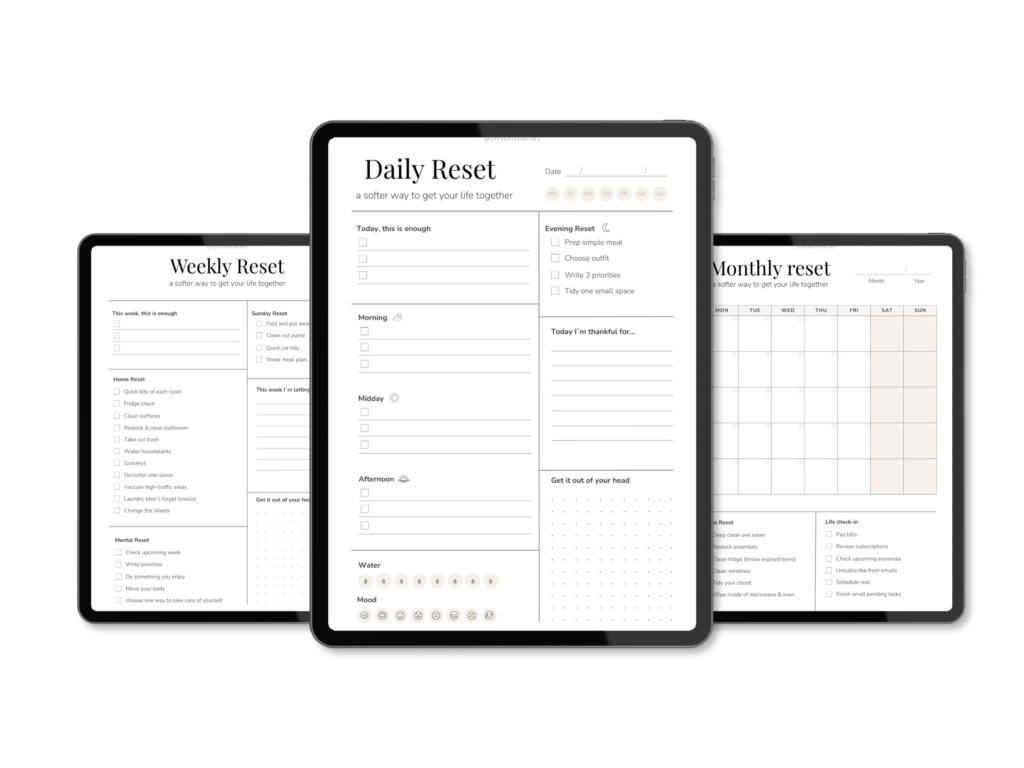
    Printable weekly planners to organize your week without a routine

    Final Tips: How to Organize Your Week Without Losing Your Mind

    If you are going through a job transition or simply feel like your head is going a thousand miles an hour, remember this:

    • Be kind to yourself: There will be days when you accomplish nothing you planned. It’s okay; tomorrow is a fresh start. On those tougher days, give yourself permission to step away — here are 20 screen-free things to do when you need to reconnect.
    • Choose the visual option: For scattered minds, out of sight, out of mind. Keep your planners where you can see them constantly.
    • Celebrate small wins: Did you manage to make that phone call you were putting off? Write it down and cross it off. The brain loves the dopamine of seeing completed tasks. Pour yourself a quiet ritual to celebrate the day — like this chamomile latte that replaced my evening coffee.

    Getting organized is not about becoming a robot; it is about creating the mental space necessary for your ideas to shine without causing you anxiety.

    Let’s navigate the chaos together.

    Transitioning to a new routine is hard, but you don’t have to do it alone. If you are ready to give your scattered mind a soft place to land, check out my printable and digital planners on Etsy. They were made by a scattered mind, for scattered minds.
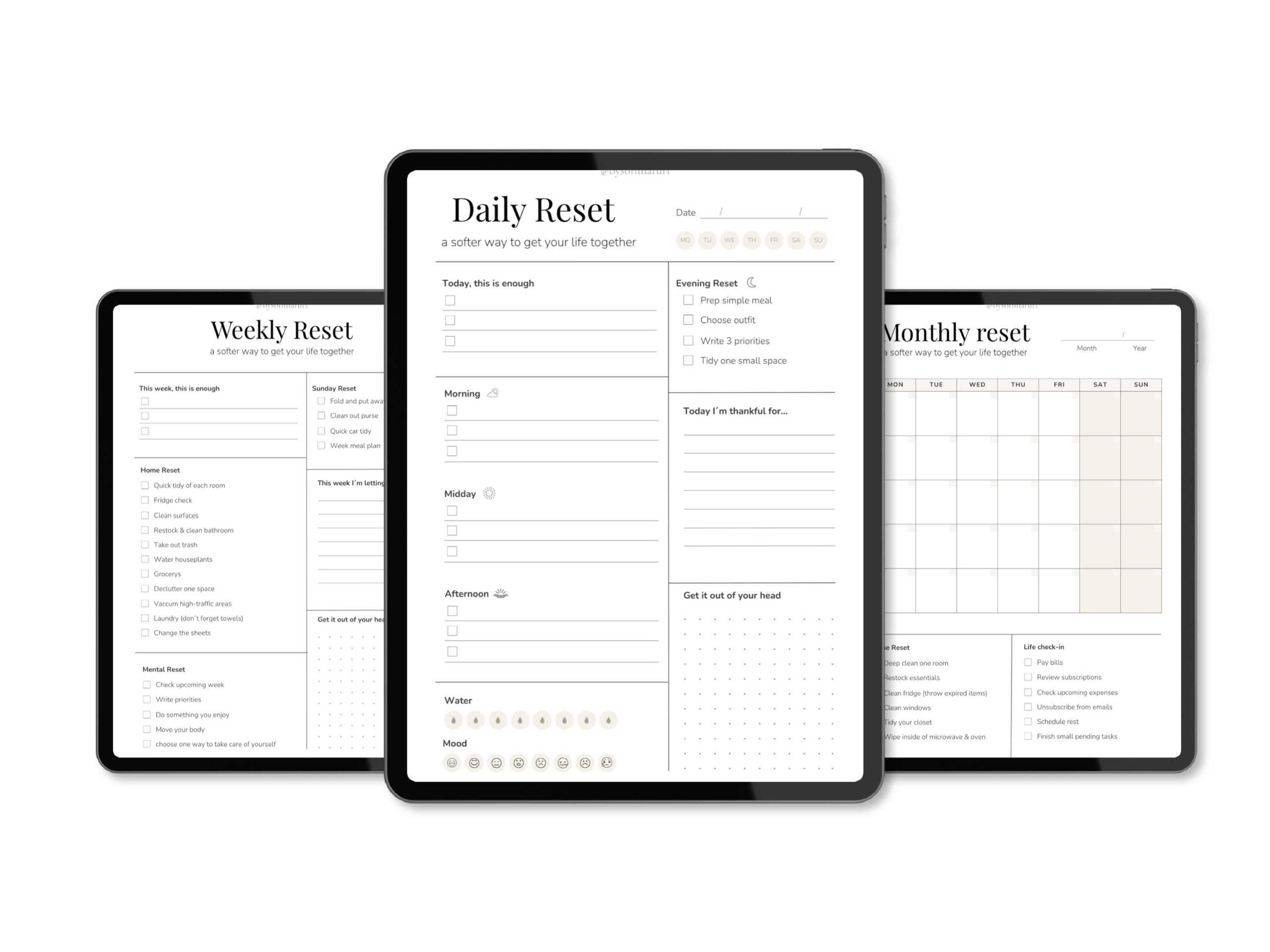

    Printable weekly planners to organize your week without a routine

  • Oat & Banana Pancakes: a 10-minute Sugar-free Breakfast You´ll Make Every Single Week

    Oat & Banana Pancakes: a 10-minute Sugar-free Breakfast You´ll Make Every Single Week


    This post may contain affiliate links, which means I may earn a small commission if you choose to purchase through them — at no extra cost to you. I only share things I genuinely love or would use myself.


    If you’ve been here for a while, you know I’m always searching for a real balance. I’ve struggled with my weight for years, and managing hypothyroidism has taught me — sometimes the hard way — that what I put on my plate directly affects how I feel and how much energy I have throughout the day.

    These oat banana pancakes are my non-negotiable rule: healthy food has to actually taste good. Not “good for you” good — just genuinely good. They pass that test completely: nutrient-dense, naturally sweetened with nothing added, and ready in ten minutes. These oat banana pancakes have become my must-make breakfast.

    Why These Ingredients Work

    When it comes to keeping energy stable and supporting a slower metabolism, every single ingredient in this recipe is doing a job:

    • Banana — provides natural sweetness (no refined sugar needed), potassium, and quick-release energy
    • Egg — gives you complete, high-quality protein that actually keeps you full until lunch
    • Oat flour — a complex carbohydrate with slow absorption, meaning no blood sugar spike and much longer-lasting satiety
    • Baking powder — the secret to a fluffy texture without any extra effort

    📌 Hypothyroidism note: I find oats to be one of the best breakfast grains for managing energy when your thyroid needs support — steady-release carbs make a real difference in how the rest of your morning feels.

    The Recipe: Healthy Oat Banana Pancakes

    Makes 2 medium pancakes — the perfect portion for one person.

    Ingredients

    • ½ ripe banana (the riper, the sweeter — brown spots are your friend)
    • 1 egg
    • 1 tbsp oil (coconut, light olive, or any neutral oil you prefer)
    • 3 heaping tablespoons oat flour
    • 1 tsp baking powder

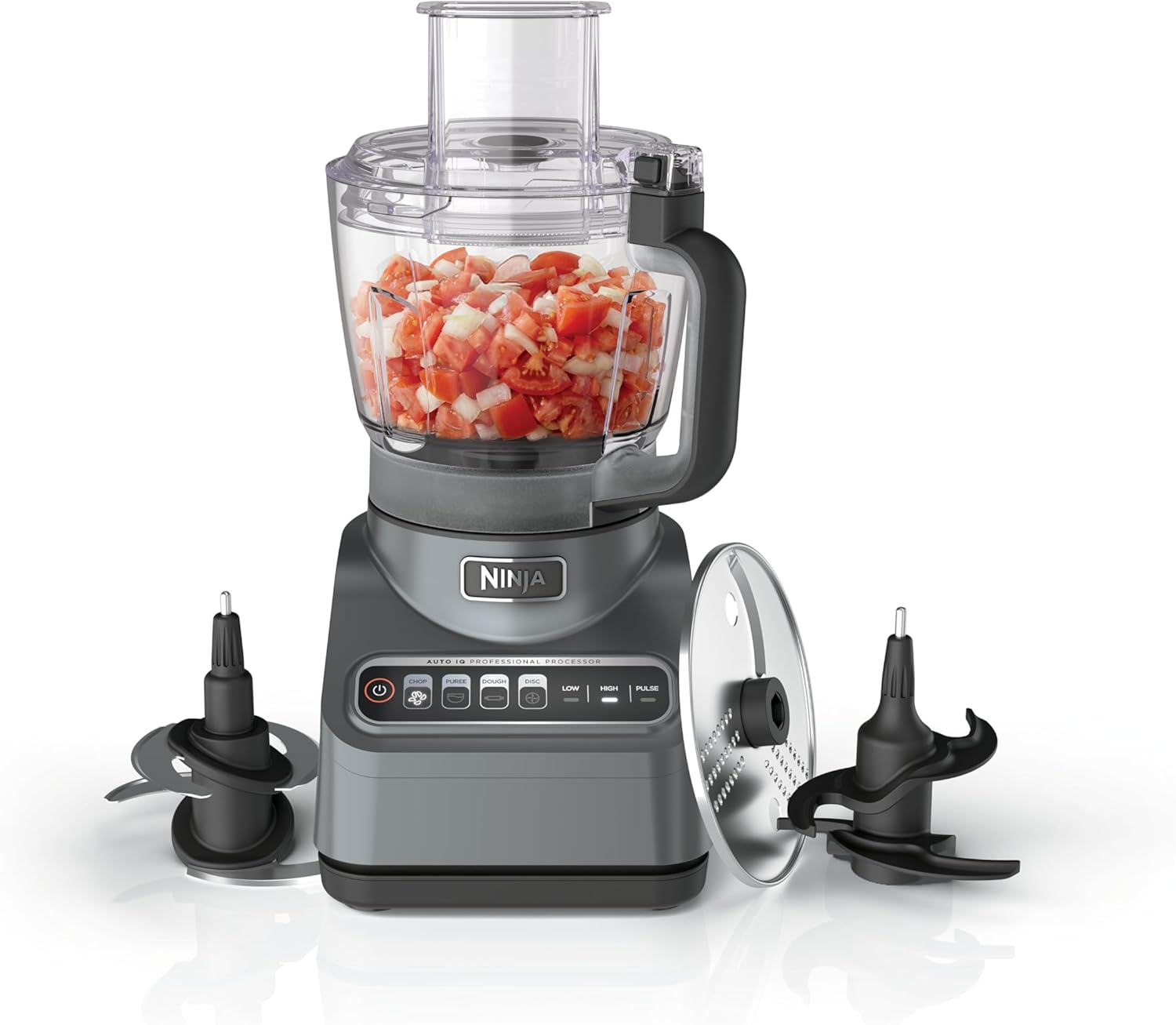
    📌 Kitchen tip: Can’t find oat flour? Don’t bother buying it. Just blend regular rolled oats for 5 seconds and you have it instantly. I use a small personal blender that does the job in seconds.

    How to Make Oat Banana Pancakes in 10 Minutes

    1. Mash the banana — In a medium bowl, mash the half banana with a fork until it’s a smooth paste. The riper it is, the easier (and sweeter) this gets.
    2. Add the wet ingredients — Add the egg and oil to the banana mash. Mix well with the same fork until everything is combined.
    3. Add the dry ingredients — Add the oat flour and baking powder. Stir until you have a smooth, uniform batter. It will be thicker than regular pancake batter — that’s correct.
    4. Cook — Heat a small non-stick pan over medium heat with a light coating of oil. Pour in the batter to form two pancakes. When you see small bubbles appearing on the surface, flip carefully and cook the other side for another 1-2 minutes until golden.

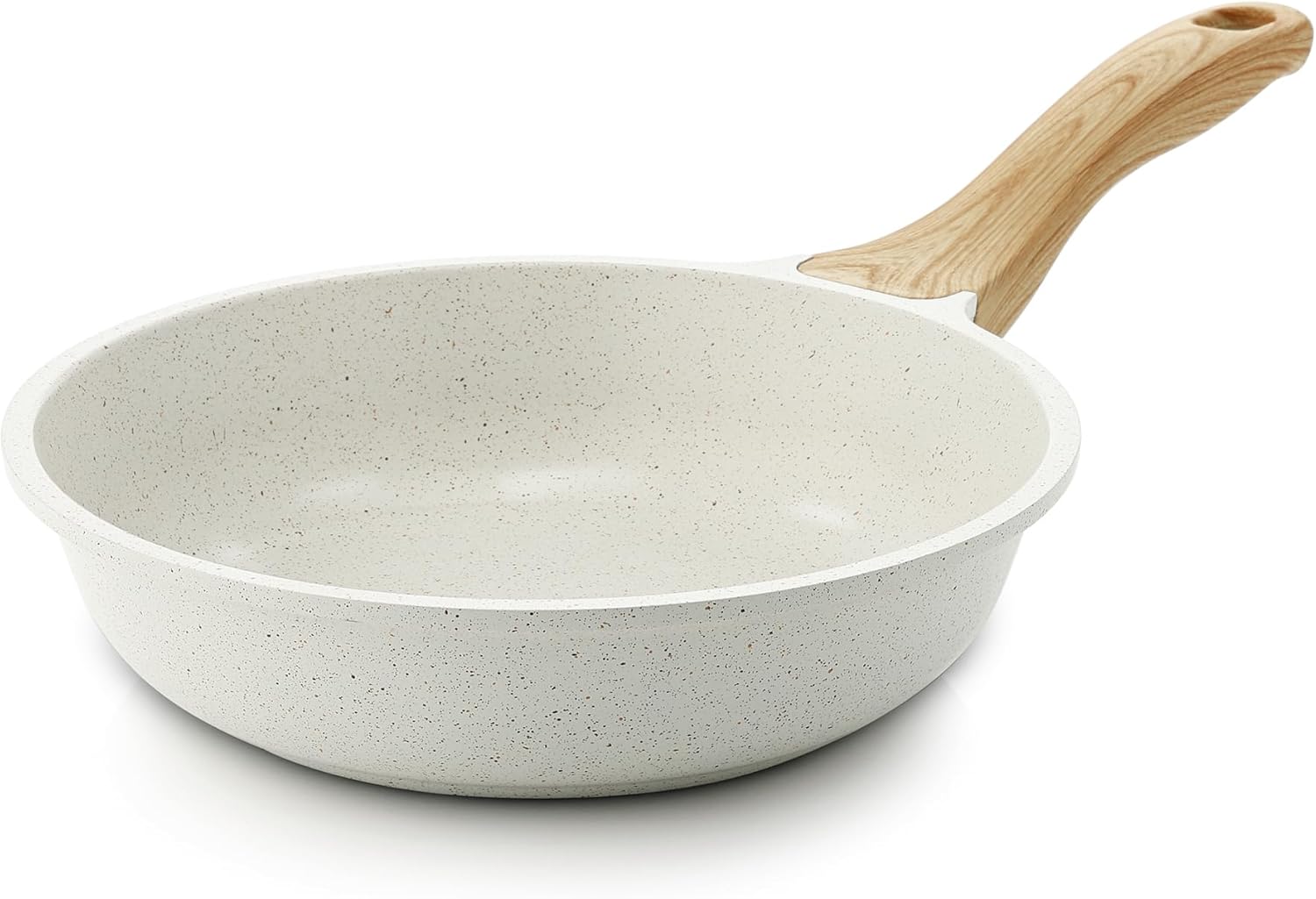
    📌 Pan tip: A good ceramic non-stick pan is everything for this recipe — you want a light sear without excess oil. I use a small individual-sized ceramic pan that’s toxin-free.

    My Favorite Toppings for Oat Banana Pancakes

    This is where things get fun. To keep it nutritious and boost the protein content even further:

    • Plain yogurt — a generous spoonful on top for creaminess and an extra protein hit
    • Frozen berries — blueberries and raspberries are my go-to; I always have a bag in the freezer so they’re ready when I am
    • The finishing touch — a subtle drizzle of pure maple syrup or organic honey

    The result is a breakfast that looks like something from a hotel brunch, tastes genuinely delicious, and actually nourishes your body — without a single gram of added sugar.

    Subscribe and get my 15 cozy morning recipes guide — free

    Tell Me in the Comments

    Do you also manage hypothyroidism, or are you just looking for breakfasts that give you real, lasting energy? If you make this recipe, I’d love to know what toppings you used — everyone seems to make these their own in a different way.

    Looking for more slow-living rituals? You might enjoy 20 screen-free things to do when you need to reconnect.

    (Follow along on Pinterest or subscribe below so you never miss a new recipe.)

  • 20 Screen-Free Things To Do When You Need To Reconnect With Yourself

    20 Screen-Free Things To Do When You Need To Reconnect With Yourself

    11–17 minutes

    This post may contain affiliate links, which means I may earn a small commission if you choose to purchase through them — at no extra cost to you. I only share things I genuinely love or would use myself.


    If you’ve ever felt overstimulated, scattered, or just off, this list of screen-free things to do is for you. We talk so much, scroll so much, consume so much — and without realizing it, we stop hearing ourselves. Disconnecting isn’t about quitting technology. It’s about coming back to yourself: thinking, feeling, breathing, being present in your own life.

    So here are 20 simple, screen-free things to do when you need to reconnect with yourself — not to be more productive, but to feel more alive again.

    What does it actually mean to disconnect?

    Not fully disappearing.
    Not throwing your phone away.

    Just creating small moments where your brain isn’t constantly reacting to something.

    Moments where you’re not consuming, searching, or asking for answers.

    Just… thinking.

    People on their phones — why we need screen-free activities

    20 Screen-Free Things to Do When You Need to Slow Down

    1. Write by hand

    There’s something about writing slowly that makes thoughts feel more honest.

    Typing feels efficient.
    Writing feels real.

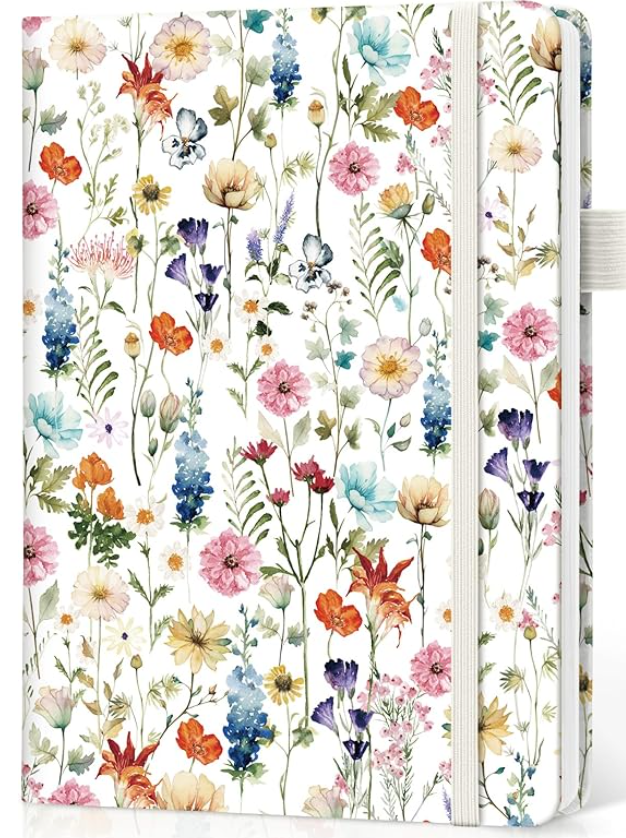
    I’ve been loving using a simple notebook like this — it makes the whole experience feel slower and more intentional.

    2. Read physical books

    No notifications.
    No tabs.
    No switching.

    Just you and a single train of thought.

    3. Keep a journal of questions, not answers

    You don’t need to solve your life. You just need better questions.

    If you don’t know where to start, something like a guided journal can actually help you think deeper.

    4. Draw or doodle what you are thinking

    Not everything has to be words. It doesn’t have to be perfect.
    You can even use the same notebook where you write your daily thoughts.

    5. Memorize something

    A sentence.
    A paragraph. Even a quote from your favourite movie or a new song that you´re enjoying.
    Something that stays with you. Right now for me is trying to learn this song from Olivia Dean.

    6. Copy by hand something you love

    There’s something powerful about slowing down enough to rewrite words that meant something to you.

    Try this:

    I am allowed to take my time.

    I am allowed to not have everything figured out.

    I am allowed to change my mind, to grow, to pause.

    Not everything needs to be productive to be meaningful.

    Not everything needs to be shared to be real.

    There is a version of me that exists without pressure, without noise, without comparison.

    I am learning how to come back to her.

    .

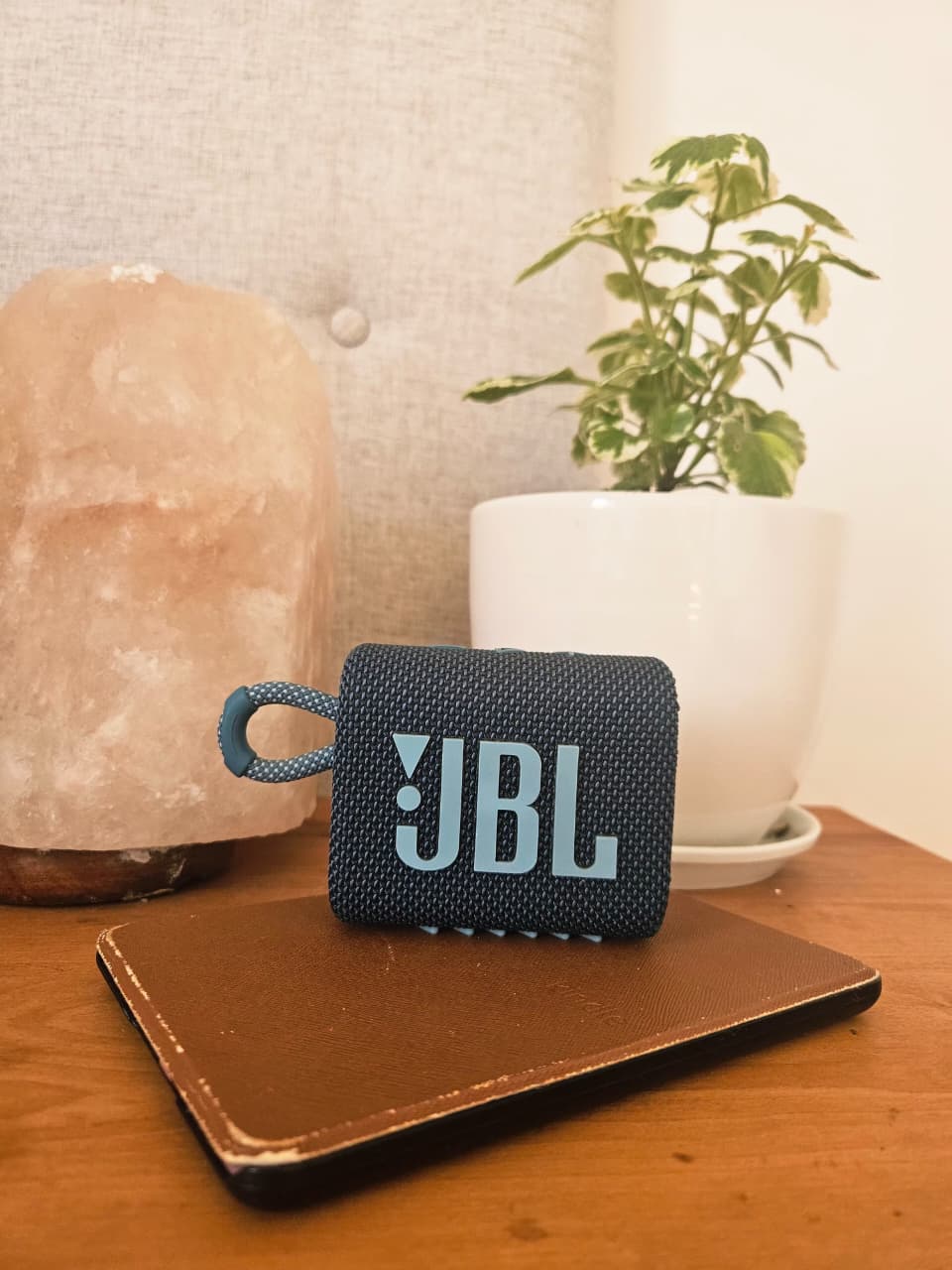
    7. Listen to music without doing anything else

    No scrolling.
    No multitasking.

    Just listening

    8. Eat without your phone nearby

    It sounds small, but it changes how present you feel. I’ve been trying to take one deep breath before I start eating.
    Just to slow down and actually be there.

    9. Take a shower without distractions

    This is where a lot of thoughts show up.

    Let them.

    I’ve been trying to make showers feel more intentional lately — using gentle scrubs, soaps with a nice scent, and actually slowing down.

    And at the end, a quick cold shower.
    It’s not the most comfortable thing, but it feels like a full reset.

    More Screen-Free Activities to Reconnect With Yourself

    10. Spend 10 minutes in the sun every day

    No agenda.
    No productivity.

    Just light.

    11. Walk without a destination or headphones

    It’s uncomfortable at first. But then your thoughts start catching up with you.

    12. Talk to people who think differently

    Not to convince them.

    Just to understand.

    13. Sit with a hard question for days

    Not everything needs to be figured out right now.

    Some questions are supposed to stay with you.

    If you don’t know where to start, try sitting with one of these:

    • What do I actually want, if no one was watching?
    • What am I avoiding by staying busy?
    • What would my life look like if I stopped trying to impress anyone?
    • When was the last time I felt truly like myself?
    • What am I afraid would happen if I slowed down?
    • What am I holding onto that is no longer me?
    • If I trusted myself more, what would I do differently today?
    • Don’t answer them.

    Just carry them with you.

    14. Stop rushing through everything

    This one is subtle.

    But it changes everything.

    Try noticing:

    • how you brush your teeth
    • how fast you drink your coffee
    • how quickly you move from one thing to the next
    • What happens if you just… slow that down?
    • Make yourself a slow, warm drink —🔗 like this chamomile latte that replaced my evening coffee — and actually sit with it.
    Eating breakfast without a phone — screen-free habit

    15. Be bored on purpose

    We avoid boredom like it’s a bad thing.

    But it’s actually where your mind starts creating again.

    16. Watch the sky for 30 minutes

    It sounds simple.

    It kind of is.

    But it also resets something.

    Cloudy sky — screen-free things to do to reconnect

    17. Make small decisions without asking anyone

    We ask for opinions constantly.

    Sometimes, you just need to choose.

    Small things like:

    • what to wear
    • what to eat
    • how to spend your afternoon

    It seems small. But it builds something bigger.

    18. Have conversations with strangers

    You never know what perspective you’re missing.

    19. Explain something complex to someone

    It forces you to actually understand it.

    20. Stop multitasking

    It doesn’t make you more productive.

    Just more scattered.

    Final thoughts

    You don’t need to disconnect completely.

    You just need small moments that belong only to you.

    Moments where your thoughts are not interrupted, optimized, or filtered.

    Just yours.