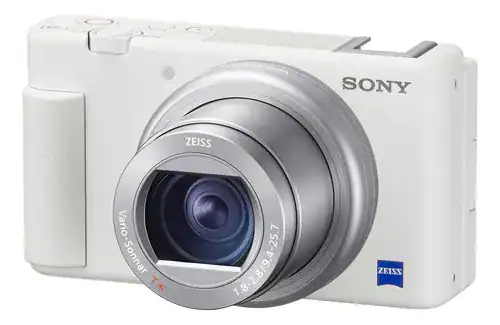
I wanted one camera that could do a little of everything without weighing down my bag or screaming “tourist with expensive gear.” The ZV-1 fit that brief almost suspiciously well. It’s tiny, it’s light, and it doesn’t look intimidating — which, when you’re traveling alone, matters more than people admit.
The fact that I found one used for $500 sealed it. If you’re patient with secondhand listings, this camera is far more accessible than its reputation suggests.
The Sony ZV-1 Vlogs Look Incredible
This is where the Sony ZV-1 review really gets interesting, because the ZV-1 genuinely surprised me here. The footage looks expensive. Colors are rich, the autofocus locks onto your face and refuses to let go, and the background blur gives everything that soft, cinematic feel without any extra work.
The built-in microphone is also better than it has any right to be. I expected to need an external mic for decent audio, but for walking-and-talking travel clips, the onboard sound held up beautifully — even with wind and street noise around me.
The Sony ZV-1 Fits in Your Purse (and Sails Through Airports)
I cannot overstate how freeing it is to have a camera that fits in your handbag. No dedicated camera bag, no bulky case, no production. It slipped into my purse and came everywhere.
Airports were a non-issue too — no special handling, no awkward conversations at security. It travels like the small, unfussy companion it is.
Excellent Photos in the Sony ZV-1’s Smart Mode
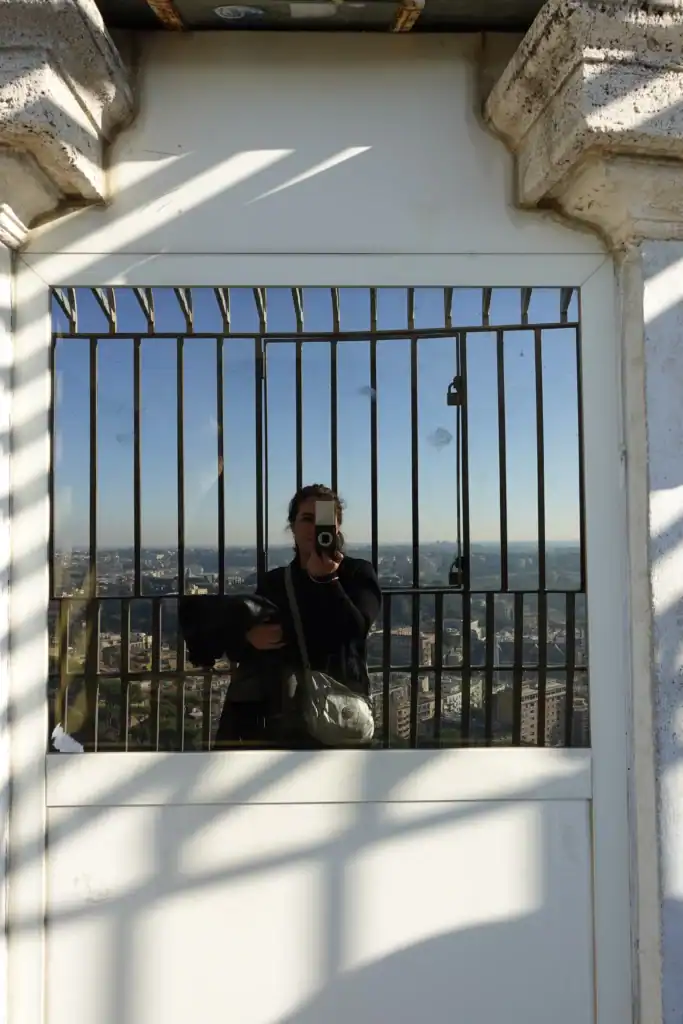
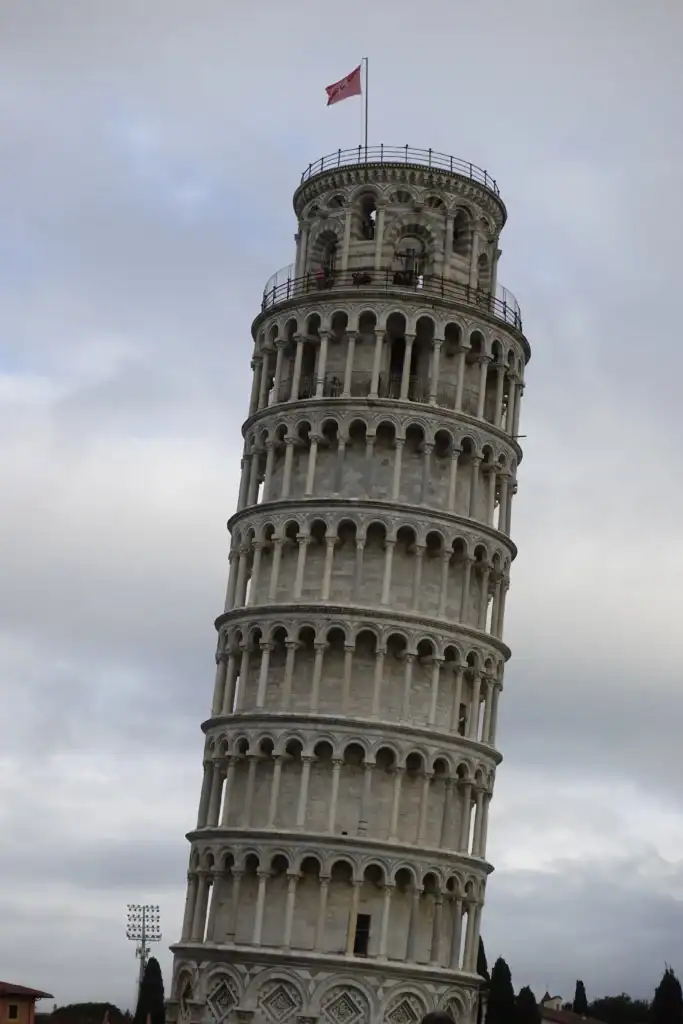
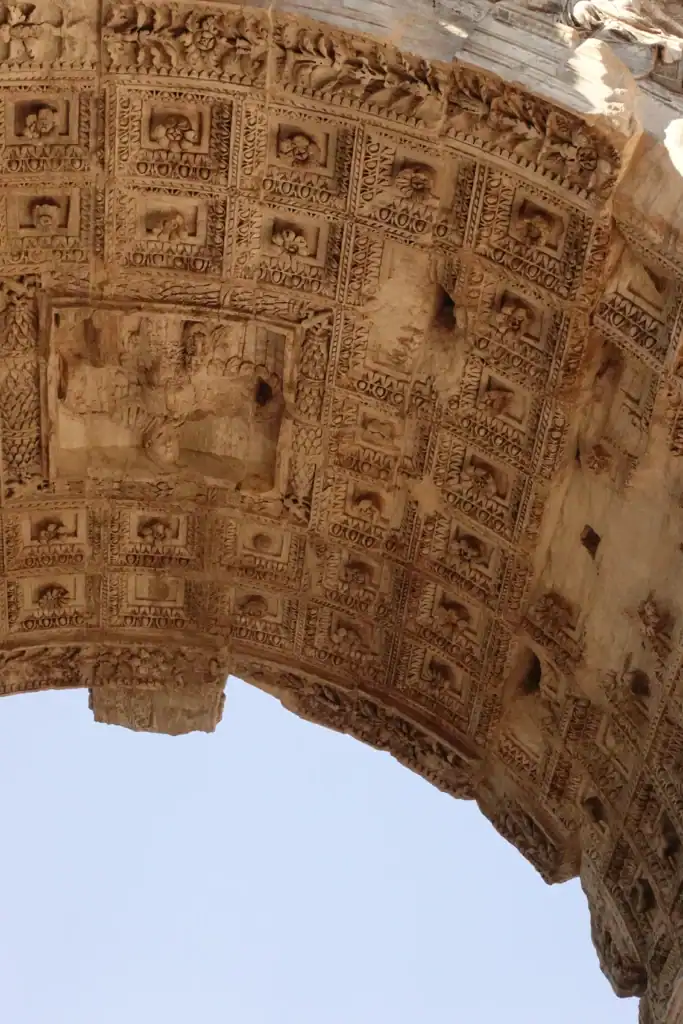
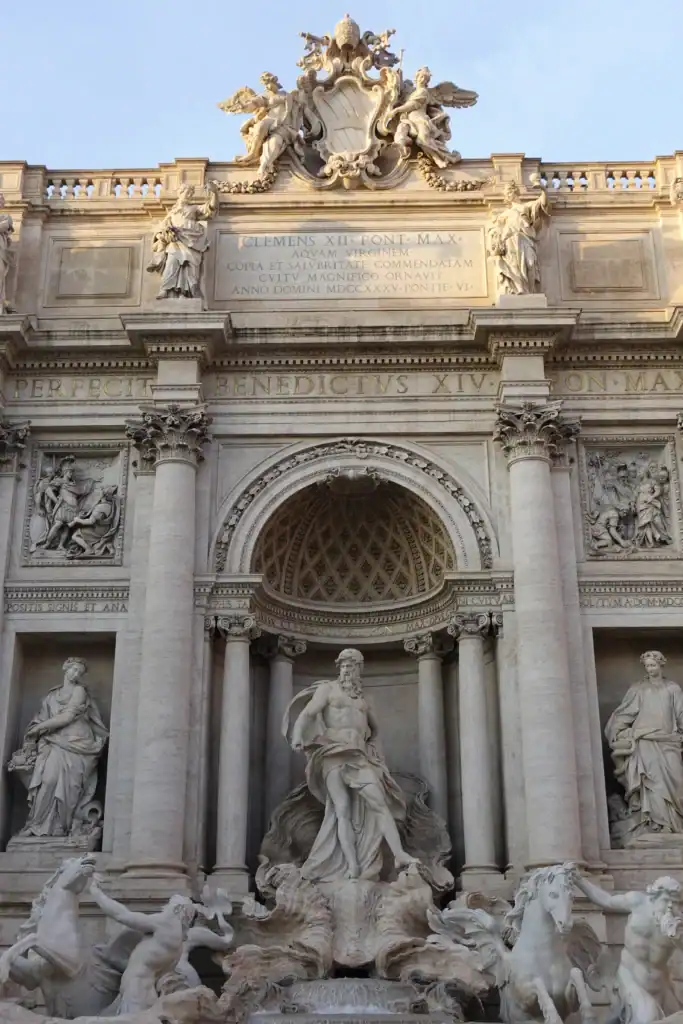
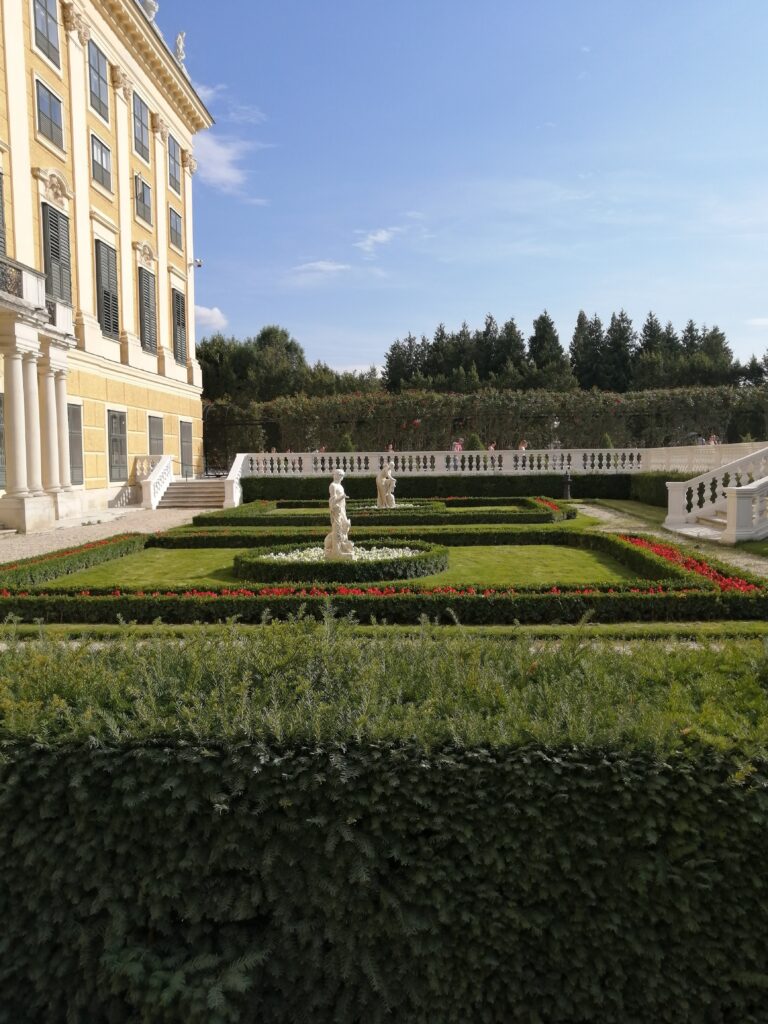
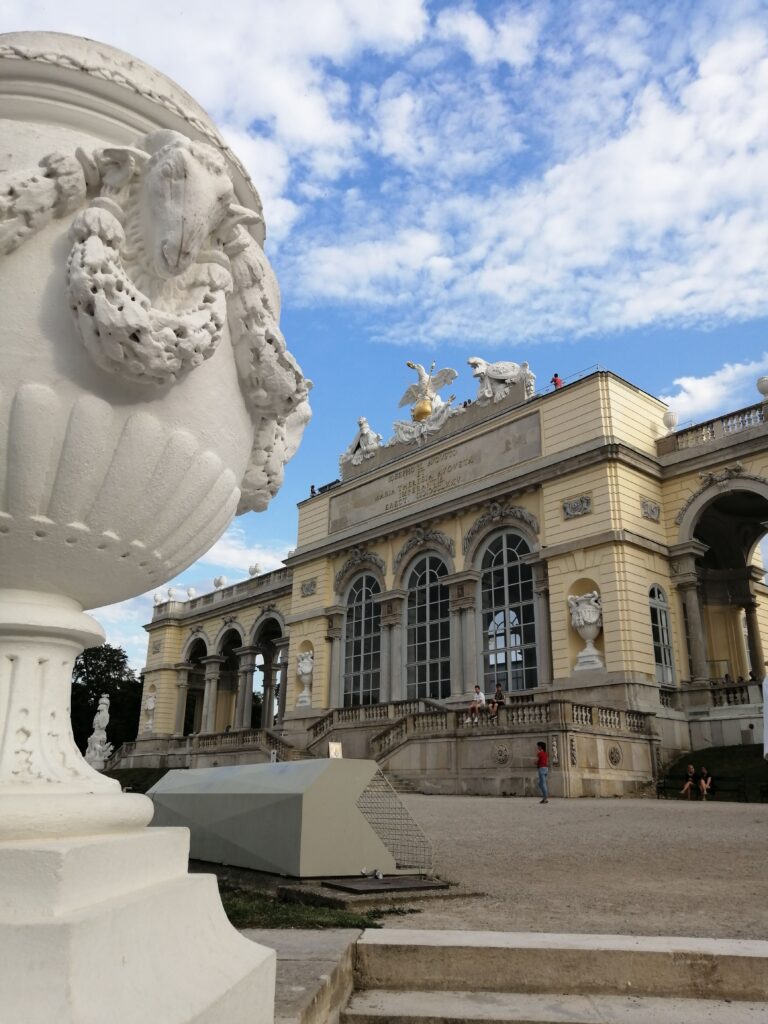
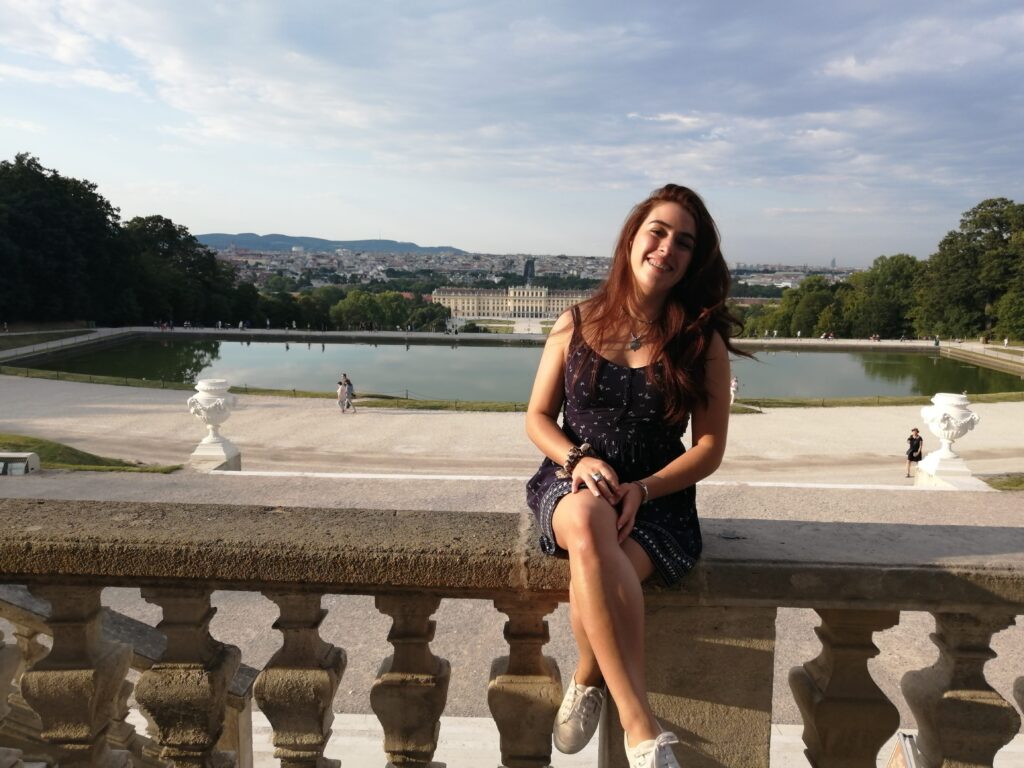
The video gets all the attention, but the photos deserve their own moment. Using its intelligent auto mode, the ZV1 consistently pulled excellent shots — even in tricky light, even when I was rushing. I’ll let some of my actual trip photos do the talking below.
The Sony ZV-1’s Honest Downside: Battery Life
If I’m being radically honest — and I always am with you — the battery is the one thing I’d change. On a full day of shooting, it doesn’t quite go the distance.
The fix is simple, though: carry spare batteries. They’re inexpensive, they weigh almost nothing, and swapping one in takes seconds. Once I started traveling with a couple of extras, the problem basically disappeared. Just know going in that one battery won’t carry you through a packed sightseeing day.
Accessories That Made My Sony ZV-1 Better
A few small additions turned the ZV-1 from a great camera into my camera:
None of these are expensive, but together they make the camera feel more capable and a lot more yours.
A handmade wrist strap. I made my own to keep the camera secure while I walked around — peace of mind that I wasn’t going to drop it on cobblestones.
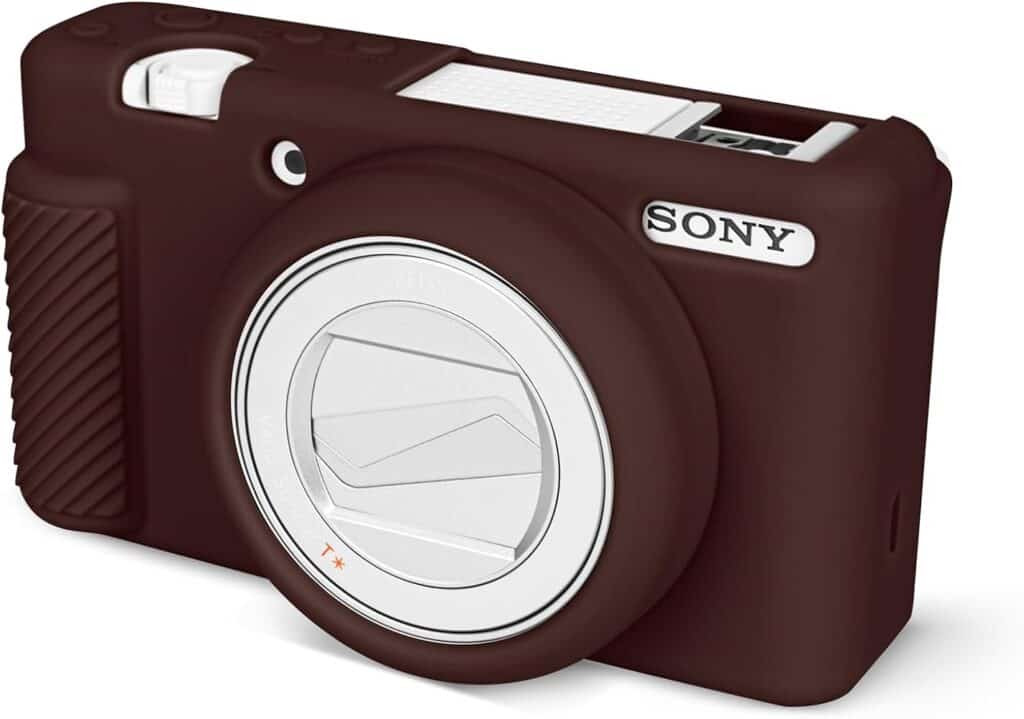
A silicone case. Light protection that keeps it safe in my bag without adding bulk.
An external flash. I added one for low-light situations and it works perfectly — a worthwhile upgrade if you shoot indoors or at night.
Spare batteries. The ZV-1’s biggest weakness is battery life, so I never travel without a couple of extras. They’re tiny, cheap, and swapping one in takes seconds — it’s the single accessory that turned the battery problem into a non-issue on long sightseeing days.
A high-capacity memory card. When you’re shooting beautiful video all day, storage fills up fast. A fast, roomy card means I’m never deleting clips at a café to make room or worrying about running out mid-trip — I just shoot and forget about it.
A card-to-phone adapter. This one’s a game-changer for travel. Instead of waiting until I’m back at a laptop, I pop the memory card into a small adapter and pull photos straight onto my phone — so I can edit and post from the road while the trip’s still fresh.
So, Is the Sony ZV-1 Worth It?
For travel, yes — wholeheartedly. It’s light, it’s discreet, it shoots beautiful video and photos, and it fits into a real life (and a real purse). The battery is its one genuine weakness, and it’s one you can solve for the price of a coffee.
If there’s one takeaway from this Sony ZV-1 review, it’s this: if you want one camera that does almost everything without the weight or the intimidation factor, the ZV-1 earned every bit of its place in my bag.
This post may contain affiliate links, which means I may earn a small commission if you choose to purchase through them — at no extra cost to you. I only share things I genuinely love or would use myself.
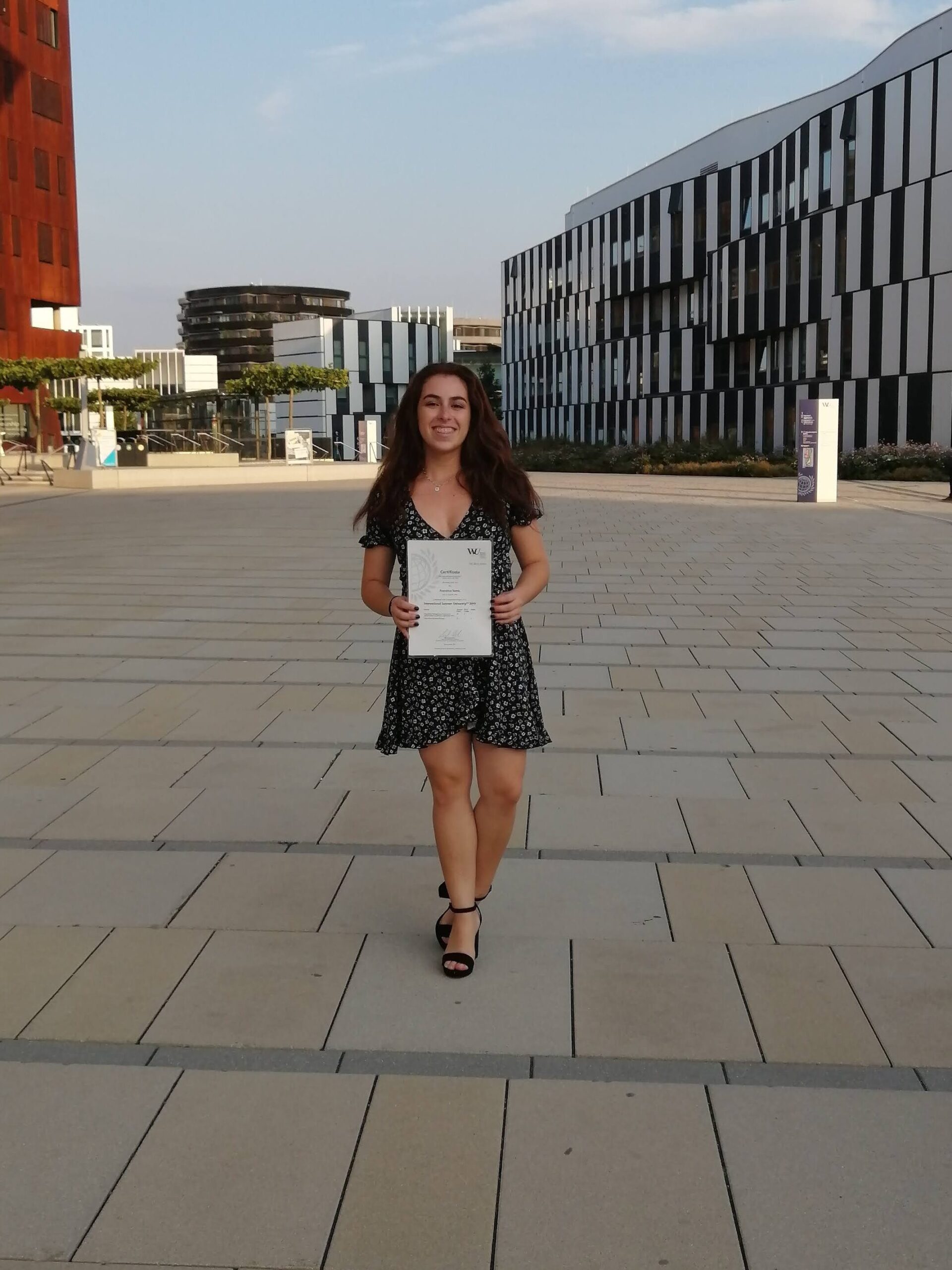
I first came to Vienna in July 2019 for a summer program at the University of Vienna. We moved fast — Belvedere one day, Schönbrunn the next, a bar by the Danube, and Danzón almost every night we could manage. It was a lot, and somehow it still wasn’t enough. I fell in love with the city in that particular way you fall for places you don’t fully understand yet.
When I came back in 2025 — this time for Christmas — Vienna felt completely different. Quieter. Heavier in a beautiful way. That’s when I decided I wanted to see it in every season. So here’s summer. Five days. Long light, warm evenings, and a city that doesn’t ask you to hurry.
If Vienna is part of a longer trip — two or three weeks moving through Europe — I put together a free checklist that covers exactly that: what to pack, how to move between countries by train, whether a rail pass is actually worth it, and the budget habits that save you real money. You can download it below. It’s interactive, so you can check things off as you go.
Vienna in summer is slow by design. People sit at café terraces for hours. Wine bars fill up late and stay that way. The evenings stretch so long that by 9pm the light is still golden and you feel like there’s always more time than there actually is.
It’s the kind of place that rewards you for doing less. The best moments aren’t always the ones you planned.
Before you go: what to book in advance
Some things in Vienna fill up fast, especially in July and August. Take care of these before you leave:
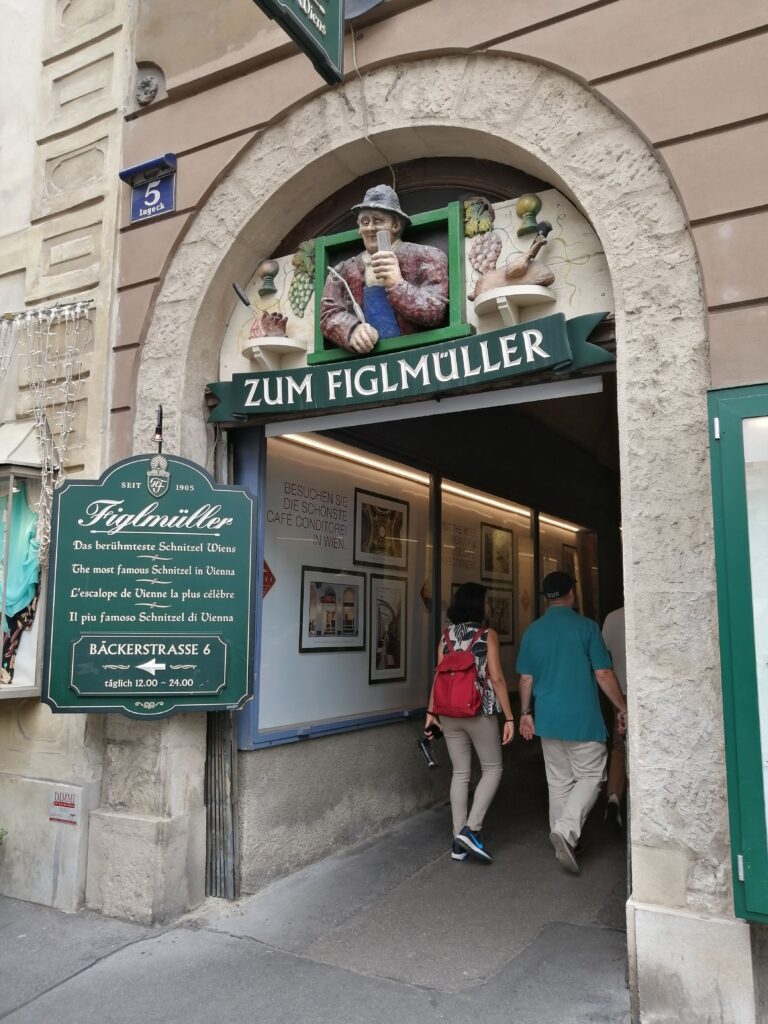
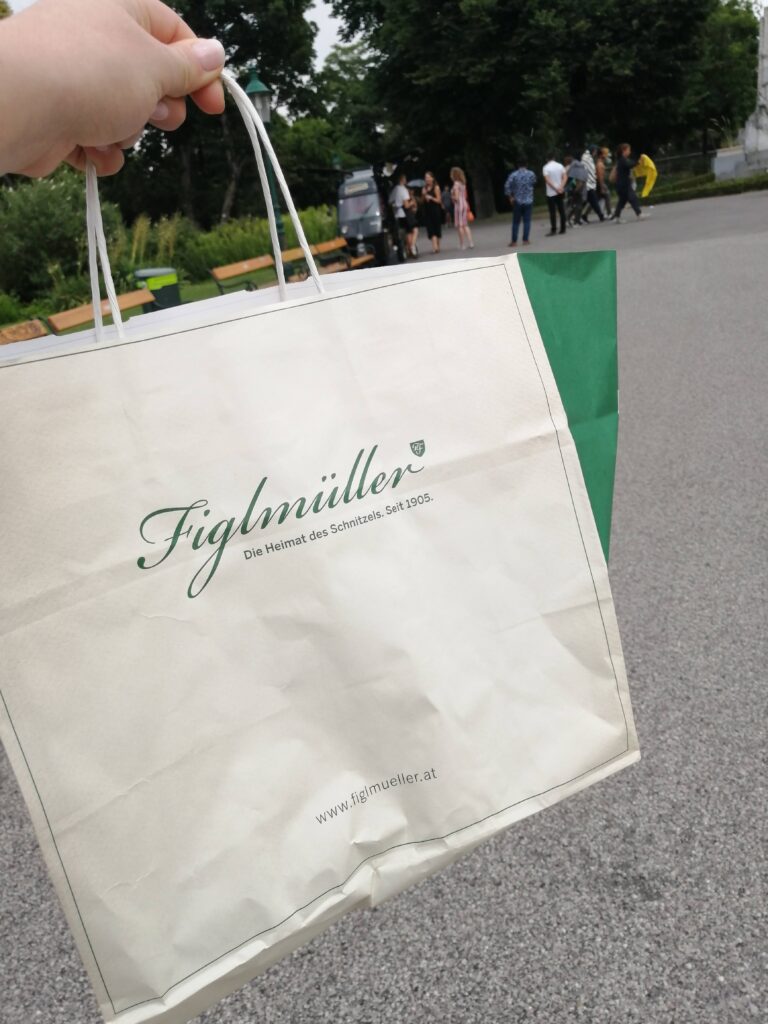
Figlmüller: Book 2 months in advance for summer. Go to figlmueller.at and reserve your table before you do anything else.
Schweizerhaus: Reservations are strongly recommended, especially on weekends. Call them at +43 1 72801520 or check their website.
Vienna State Opera Tour: Book online at wiener-staatsoper.at. Tours sell out — don’t leave this for the day of.
Albertina: Pre-booking saves time, especially in high season.
HENGL-Haselbrunner: Call ahead to reserve — +43 1 3203330. They’re only open Tue–Sat from 3:30pm, and closed Sunday and Monday.
TRAVEL GUIDE
Vienna in 5 Days
By Sofi Maruri
Day 1: The imperial heart — 1st district
Start where the city started. The first district is where Vienna is most itself — old, unhurried, a little theatrical.
Stephansdom (St. Stephen’s Cathedral)
Stephansplatz 3, 1010 Vienna
Arrive at 9am, before the tour groups. The cathedral is free to enter the main nave, though there are paid options for the towers, catacombs, and the all-inclusive ticket. If you have time, the South Tower climb is worth it — 343 steps, and the view over the terracotta rooftops stays with you.
The patterned mosaic roof is Vienna’s most recognisable image, and it earns that reputation up close. Give yourself an hour here and don’t rush it.
Albertina — Gallery + Albert & Tina bistro
Albertinaplatz 1, 1010 Vienna
A ten-minute walk from the cathedral. The Albertina is one of the great collections of graphic art in the world — Dürer, Monet, Klimt, Picasso — all in a former Habsburg palace. It doesn’t try to overwhelm you, which I appreciate.
👉 The Albert & Tina bistro inside is the Albertina’s casual dining space — think good Austrian lunch food in a refined but relaxed setting. Perfect for a mid-morning coffee or a slow lunch before the afternoon. On Wednesdays and Fridays the museum stays open until 9pm, so those are good days to visit if you want to take your time.
👉 Book your Albertina tickets in advance here to skip the queue.
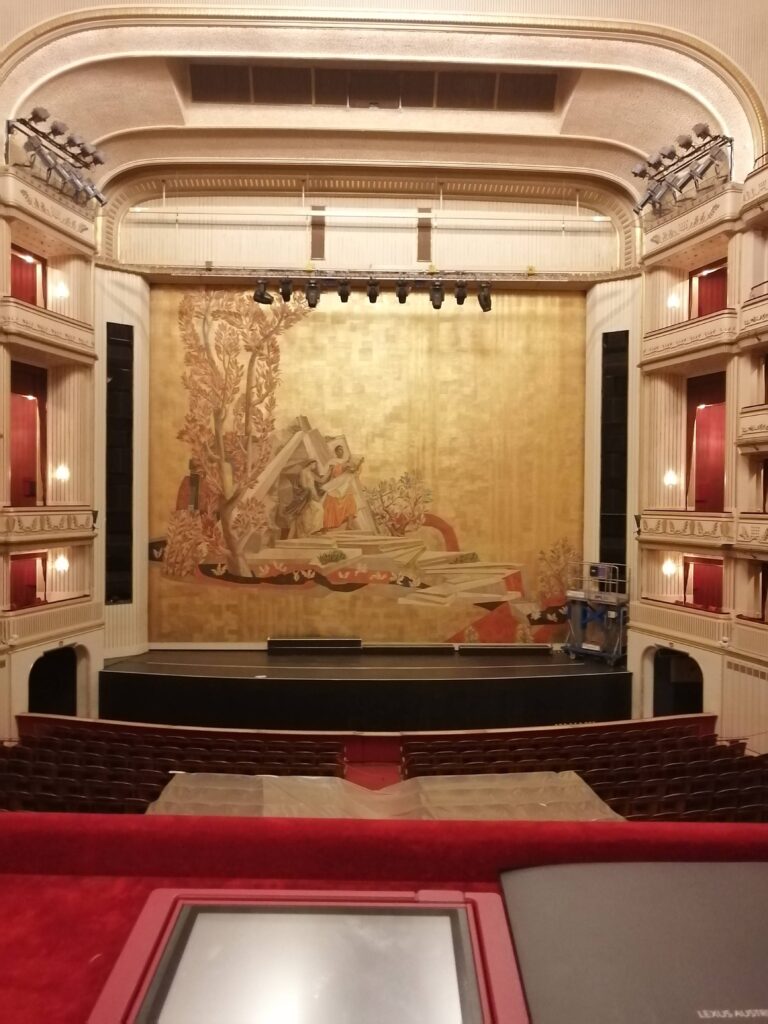
The tours run 40 minutes and take you through the main auditorium, the foyer, the Marble Hall, and behind the scenes of one of the most important opera houses in the world. Adults: ~€13–15. Children: ~€7. Tours are available in English, German, French, Spanish, Italian, Japanese, and more — check the website for current times and availability, as the schedule changes daily depending on rehearsals and performances.
Arrive at least 15 minutes early. The building was opened in 1869 with Mozart’s Don Giovanni, and even if opera isn’t your thing, the interior alone is worth the visit.
Tip: if you want to attend a performance rather than just a tour, standing tickets (Stehplätze) are available from around €15 — a way to experience a world-class production without spending a fortune. Book well in advance.
Dinner: Figlmüller
Bäckerstraße 6, 1010 Vienna — ⚠️ book 2 months ahead for summer
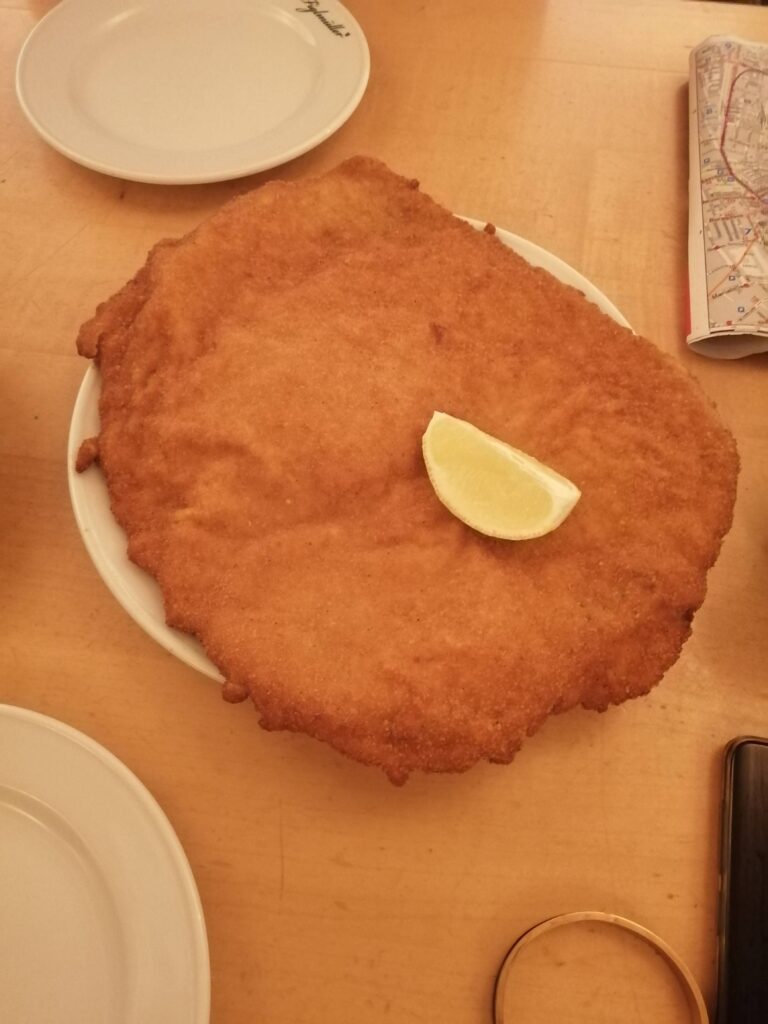
End Day 1 here. The schnitzel at Figlmüller is famously oversized — it hangs off the plate — and it’s perfectly crispy, tender inside, and everything a Wiener Schnitzel should be. The potato salad is not optional. Order the potato salad.
The atmosphere is lively without being overwhelming, the service is warm, and the wine list is solid. This is one of those dinners you’ll talk about.
Day 2: Palaces, the canal & a rooftop
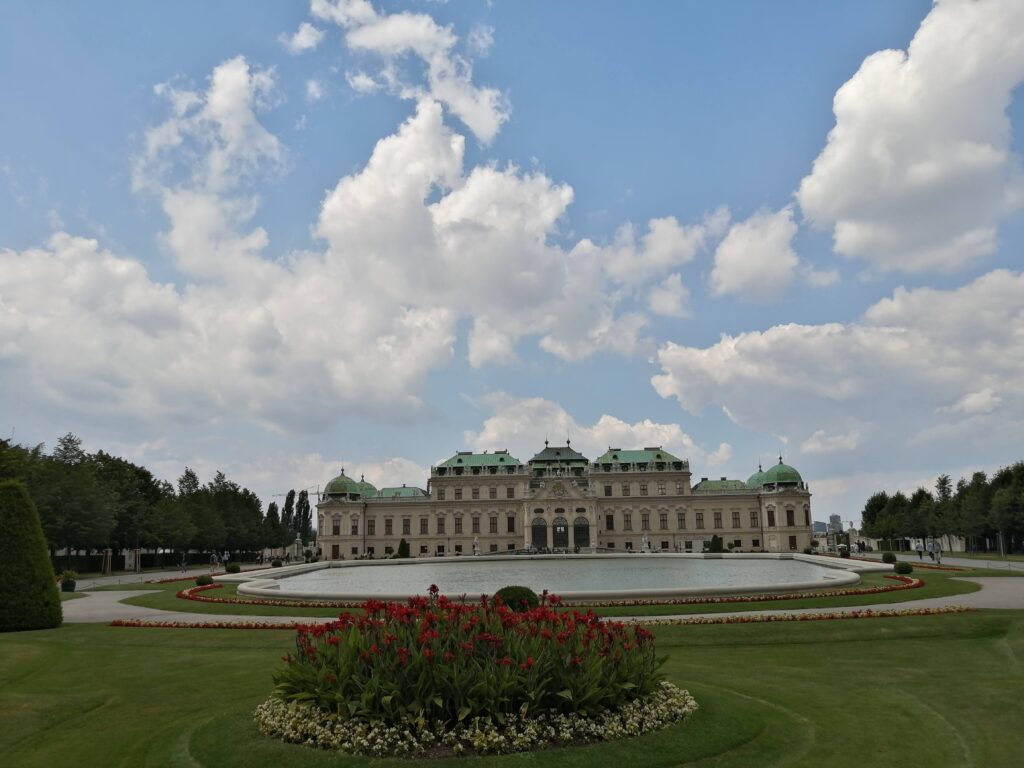
Belvedere Palace
Prinz Eugen-Straße 27, 1030 Vienna — open daily 9am–6pm
Go early. 9am means you have the palace garden largely to yourself for the first half hour, which is worth a lot.
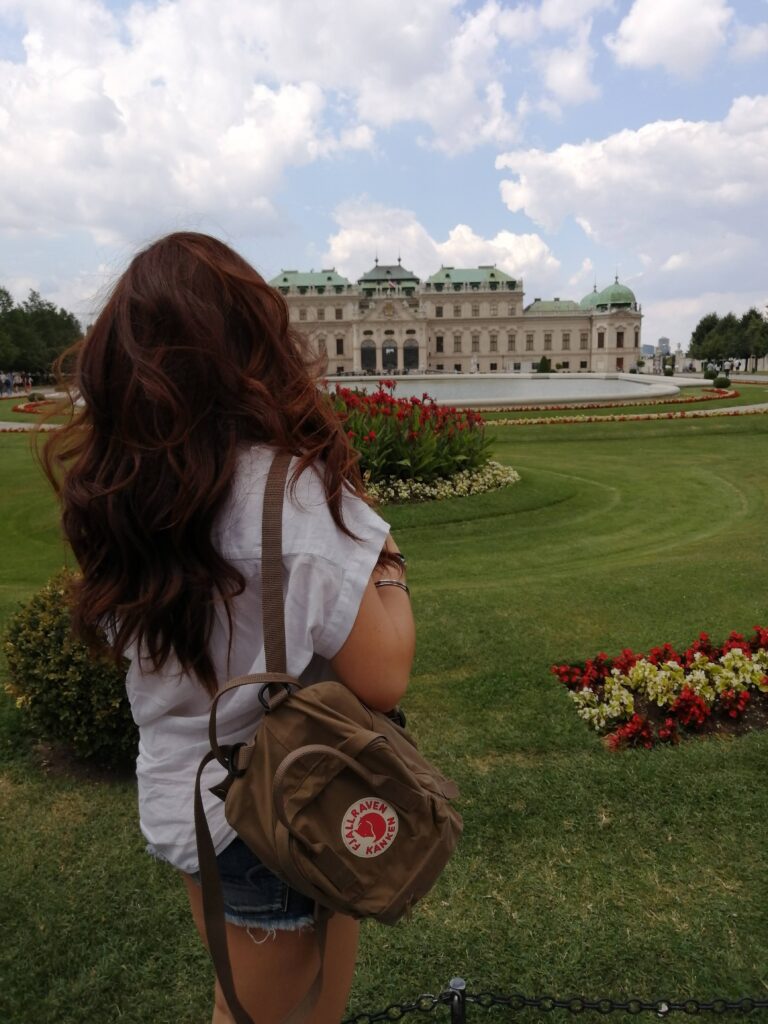
Walk through the baroque gardens before going inside — the symmetry, the fountains, the view back toward the city. Then go in for Klimt’s The Kiss, the Monet collection, and the rest of a permanent collection that deserves more attention than it usually gets. Plan for 2–2.5 hours.
👉 Book your Belvedere tickets online in advance here.
Strandbar Herrmann
Herrmannpark, 1030 Vienna — open late spring to early autumn
A beach bar on the Danube Canal, about a 15-minute walk from Belvedere. No sand, but wooden decks, deckchairs, and a canal that reflects the afternoon light perfectly.
It’s self-service — order at the counter and find your own spot. The food is Asian fusion (fried rice, noodles, spring rolls) and the drinks are reasonably priced. A DJ usually plays from late afternoon, and the vibe shifts from mellow to actually fun as the evening moves in.
No reservations. Come before 4pm on sunny weekends to get a good spot. This is the place that made Vienna feel different from any other European capital — less formal, more alive.
Opening hours: Monday–Friday from 2pm, Saturday–Sunday from 10am. Check their website before going as it’s seasonal: strandbarherrmann.at.
👉 A light tote bag like this one is perfect for a beach-bar afternoon — sunscreen, a book, your swimsuit if you want to walk to a swimming spot nearby.
25hours Hotel Vienna — Rooftop Bar
Lerchenfelder Str. 1/3, 1070 Vienna
Head over to the 7th district for sunset. The 25hours Hotel sits at the edge of MuseumsQuartier, and the rooftop bar is the whole reason to go — wide views over the city, good cocktails, and a circus-themed design that somehow works without feeling silly.
Go around 7:30pm for the golden light. The bar stays lively until late. No need to be a hotel guest.
Day 3: Coffee, markets & local life
This is the day Vienna shows you what it actually is — not the imperial version, but the everyday one.
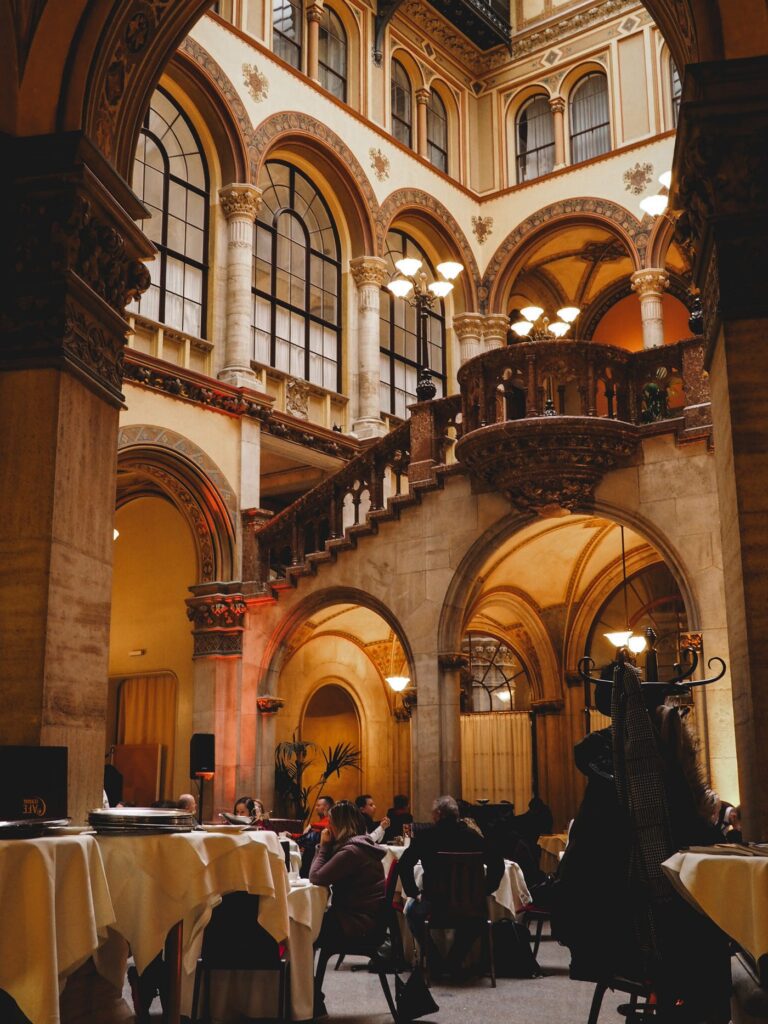
Café Central
Herrengasse 14, 1010 Vienna
Arrive before 10am to avoid the queue that forms later in the morning. This is one of the oldest and most beautiful coffeehouses in Vienna — vaulted ceilings, marble pillars, waiters in white jackets, pastry cases that test your decision-making.
Order a Melange (Vienna’s take on a cappuccino) and something with apricot. Then stay longer than you normally would. Vienna coffeehouses are not places to rush.
Naschmarkt
Linke Wienzeile, 1060 Vienna — Mon–Fri 6am–7:30pm, Sat 6am–5pm
A 10-minute walk from the coffeehouse. The Naschmarkt is Vienna’s main open-air market — long, slightly chaotic, and full of Austrian, Middle Eastern, and international food stalls. It’s best at lunch: graze as you walk, pick up olives, cheese, Turkish bread, whatever catches your attention. The restaurant section at the far end is good if you want to sit down properly.
Ottakringer Brewery
Ottakringer Platz 1, 1160 Vienna — Mon–Fri 10am–6pm, Sat 1pm–6pm
Take the U3 out to Ottakring for an afternoon brewery tour. Ottakringer has been brewing in Vienna since 1837 and is still independently owned — unusual for a city this size. The guided tours run Monday through Friday and end with a tasting of beers that aren’t available in shops.
Book ahead at ottakringer.at. The Saturday option exists but is shorter. Go on a weekday if you can.
If you know, you know. If you don’t: it’s a Latin music club in the 1st district, and it plays the good stuff — Cuban salsa, bachata, rumba, a DJ who actually knows what they’re doing. The floor gets going around 10pm. You will sweat. This is correct.
I first came here in 2019 and it became our default. It’s chaotic in the best way, and it somehow still feels like Vienna even while sounding nothing like it.
Day 4: Schönbrunn & the Prater
Schönbrunn Palace
Schönbrunner Schlossstraße 47, 1130 Vienna — open daily 8:30am–5:30pm
Start early. Buy tickets online at schoenbrunn.at to skip the queue. The Grand Tour covers 40 rooms inside the palace, but the gardens are just as important — walk up to the Gloriette at the top of the hill for the full view of Vienna spread out below you.
Allow at least 2.5 hours for the full experience. Comfortable shoes are essential — you’ll walk more than you think.
👉 A comfortable pair of walking shoes like these make a real difference on the palace grounds.
Prater Park & Riesenrad
Prater, 1020 Vienna
Take the U4 to Praterstern. The Prater is one of the oldest public parks in Europe — a huge forested area with walking and cycling paths, and the Wurstelprater amusement section at one end.
The Riesenrad (Giant Ferris Wheel) at the park entrance dates from 1897 and gives a slow, panoramic view of the city. A full rotation takes about 30 minutes. Tickets: €14.50 per person. Buy them at the entrance or online at wienerriesenrad.com. It’s touristy, yes — and still genuinely lovely.
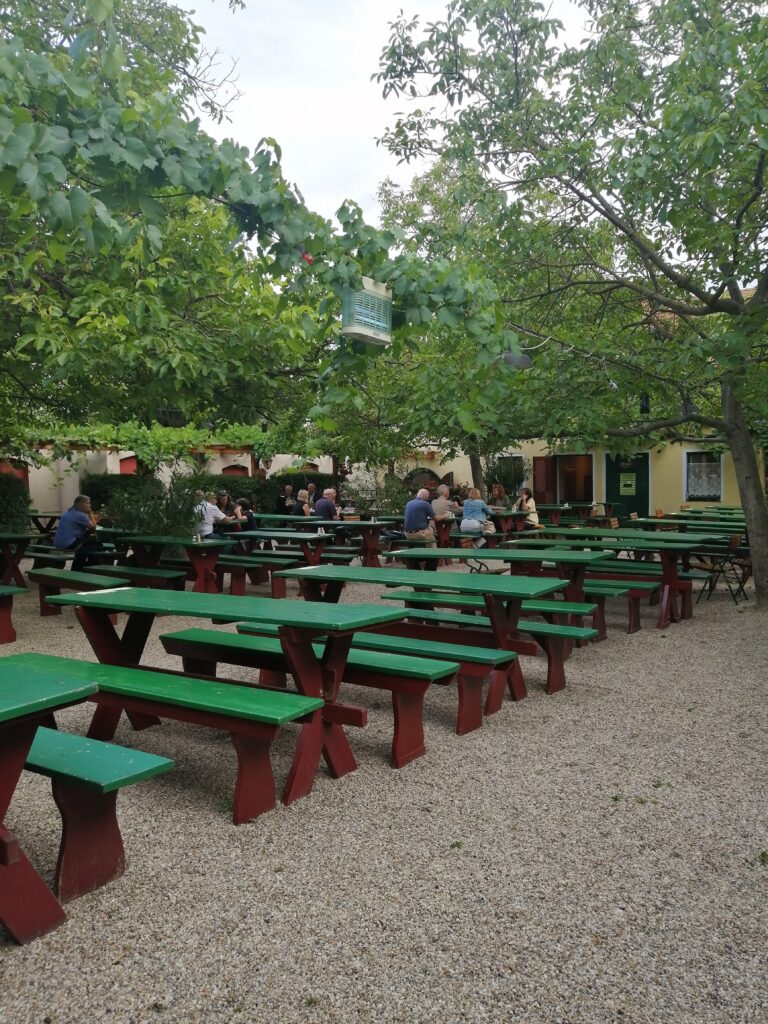
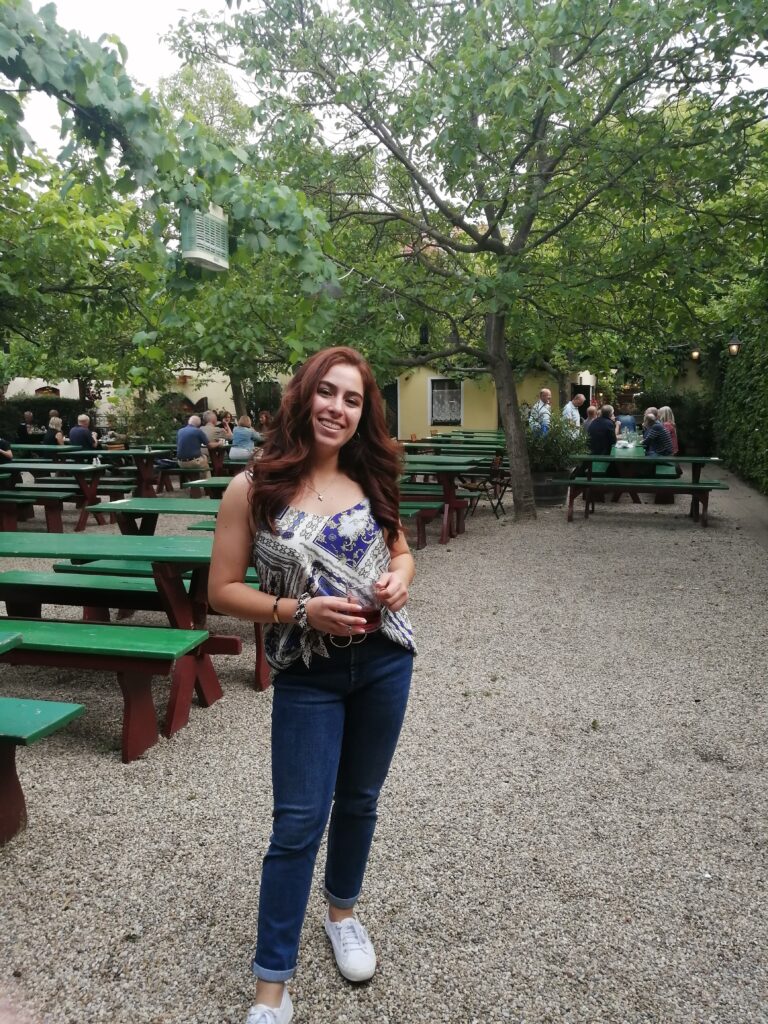
A five-minute walk from the Riesenrad. Schweizerhaus is a classic Viennese beer garden, set under old chestnut trees, serving Czech Budvar beer on tap and the best Stelze (pork knuckle) in the city.
The portions are enormous — the Stelze can genuinely feed two people. Come hungry, order slowly, and don’t rush. This is the kind of meal you stretch across two hours.
Reserve by phone at +43 1 72801520 — especially on weekends in summer.
Day 5: Vienna’s wine villages — a slow last day
Day five belongs to the 19th district.
The northern part of Vienna stretches into the hills of the Vienna Woods, and that’s where you’ll find the Heurigen — traditional wine taverns attached to working vineyards. They only serve wine made on the premises, cold food from a buffet counter, and good conversation. There’s no equivalent of this anywhere else.
One of the most respected Heurigen in the city. The Hengl family has been making wine in Grinzing since the 19th century. You sit in the garden among the vines, order a Grüner Veltliner or a Sturm (cloudy young wine, if you’re there at the right time of year), and eat from the cold buffet — sausages, Liptauer cheese spread, dark bread, pickles.
The atmosphere is what makes it: local, slow, unpretentious. This is Vienna drinking wine on a hillside and not checking the time.
⚠️ Call ahead to reserve a table: +43 1 3203330. The Heuriger is only open Tue–Sat from 3:30pm. Check that it’s open on your particular travel dates before planning around it — Heurigen sometimes close for private events.
Getting there: take the U4 to Heiligenstadt, then tram D to Grinzing. It’s about 30 minutes from the city center and worth every one of them.
Small things that change everything
Don’t over-plan. Leave space between places.
Walk without headphones at least once and let the city be quiet around you. Sit at a café and don’t look at your phone. Let a dinner go long. Find a park bench and stay there. Vienna rewards stillness.
The city will give you exactly as much as you’re willing to slow down for.
What to bring for Vienna in summer
Comfortable walking shoes — you’ll log more kilometers than you expect
A light outfit that works for daytime sightseeing and evenings out
A tote bag for the market, the beach bar, spontaneous afternoons 👉 this one
Sunglasses
Something to read — for the café, the park, the Heuriger
A light layer for evening — Vienna can cool down after sunset even in July
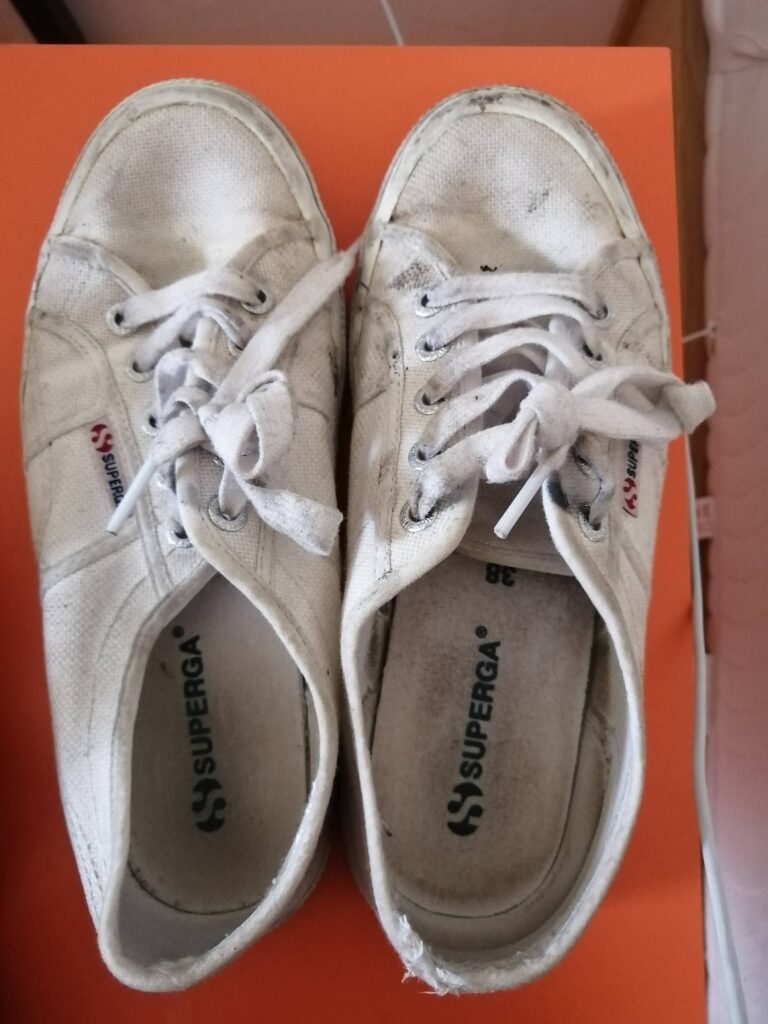
R.I.P. my Supergas 🙁
Final thoughts
Vienna isn’t a city you rush through.
The best version of it is the slow one — the one where you stay at the café table a little too long, and let the museum take all morning, and find yourself sitting under chestnut trees at a beer garden at 7pm with no particular reason to move.
That’s the version worth coming back for.
One more thing before you go: if Vienna is just one stop on something bigger, I made a resource I think you’ll actually use. It’s a free interactive checklist — what to pack, how to move through Europe by train, what to book in advance, and how to eat well without spending a lot. The kind of information I wish someone had handed me before my first long trip.